

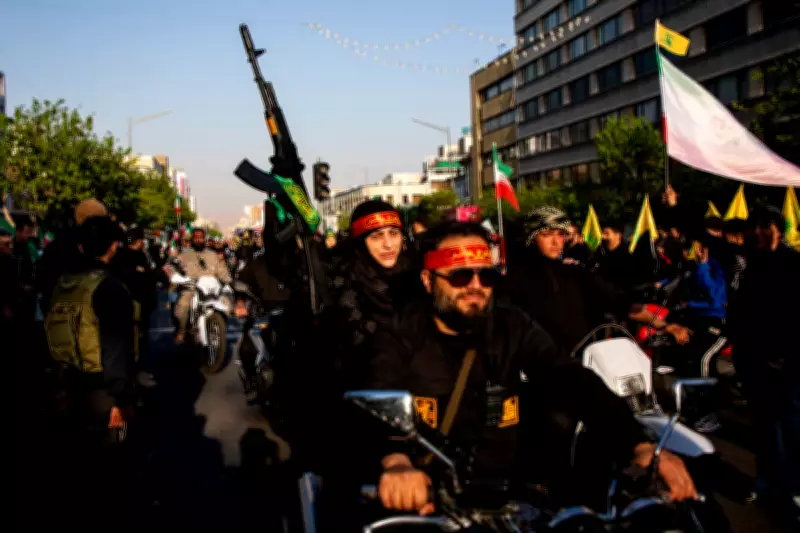
Diplomacy with Iran Hangs by a Thread Amid Escalating Tensions
Direct talks between top-level US and Iranian delegations in Islamabad broke down a week ago, sparking fears of imminent military escalation. However, the anticipated resumption of US and Israeli airstrikes on Iran, along with retaliatory strikes by Iran on Gulf state facilities, has not materialised. Instead, diplomatic channels have remained cautiously open, with communications maintained at some level, offering a fragile lifeline to peace.
Trump's Ultimatum and the Path to Renewed Dialogue
Donald Trump has issued a stark warning, threatening new strikes on Iran if a deal is not agreed, declaring "no more Mr Nice Guy". Despite Iran's apparent rejection, Trump insists that high-level US-Iran talks will resume in Islamabad this week. If these discussions proceed, they could prolong the current ceasefire and, however faintly, open a path toward ending the conflict.
The past week has seen significant developments on other fronts. After initial confusion, Israeli and Lebanese officials agreed to a separate 10-day ceasefire, which has largely held. This has brought quiet to both war fronts for the first time in over six weeks, providing a temporary respite in a volatile region.

The Strait of Hormuz: A Critical Flashpoint
While diplomatic channels remain open, the crucial shipping route through the Strait of Hormuz has become the most immediate point of contention. Iran initially welcomed the conclusion of the first Islamabad talks by reopening the waterway to all shipping, leading to a sharp fall in global oil and energy prices and widespread relief, particularly in Europe and Southeast Asia.
However, within 24 hours, Iran closed the strait again, citing the US refusal to lift its blockade of Iranian ports. This blockade was originally imposed to pressure Iran into reopening the Strait of Hormuz. The US expectation that Iran would allow free passage while its own ports remained blocked was unrealistic, as control of the strait represents Iran's greatest leverage in this conflict.
The US has maintained its blockade despite the brief reopening, suggesting it may have attached additional conditions, such as Iran surrendering its highly enriched uranium and ending any nuclear programme. Washington has indicated that freedom of navigation through the strait is of secondary importance to the US, placing the onus on other nations to act.
Global Implications and the Search for Solutions
As long as the US blockade and freedom of navigation are linked, Iran is likely to keep the strait closed, exacerbating dire effects on global trade, transport, and travel, ultimately driving up living costs worldwide. Iran demonstrated its serious intent by firing towards two ships that failed to turn around after the closure, signalling it will not cede its strongest card easily.
A potential new round of US-Iran talks offers one avenue to break this stalemate, though current US demands may hinder significant breakthroughs. Another, perhaps more promising, approach involves international solidarity. A recent meeting in Paris, chaired by the UK and France and involving nearly 50 countries, coincided with Iran's brief reopening of the strait. With the waterway closed again, the UK and France have an opportunity to leverage this solidarity, pushing diplomatically for restored freedom of navigation.
This is not a call for military intervention but rather an emphasis on using diplomatic means to convince Iran to allow free passage. If the Strait of Hormuz is not vital to US interests, as stated by Washington, the US could unblock Iran's ports in exchange for normal passage through the strait. This would enable the US, Israel, and Iran to address their differences without further damaging the global economy.
The threads of diplomacy are thin but not yet severed. The world watches as these nations navigate a precarious path toward resolution, with the stakes higher than ever for international stability and prosperity.






