

US Marines Storm Iranian Tanker After Tense Six-Hour Standoff in Strait of Hormuz
In a daring operation that has sharply escalated tensions, US Marines stormed an Iranian-flagged commercial tanker following a six-hour standoff in the strategically vital Strait of Hormuz. The incident, which unfolded on Sunday, marks the first interception of an Iranian vessel since the United States implemented a naval blockade on Iran's ports and coastal areas last week.
Warnings Ignored Lead to Dramatic Military Action
The confrontation began when the Iranian-flagged cargo ship Touska, purportedly nearly 900 feet long and under US Treasury sanctions, attempted to breach the American naval blockade near the Strait of Hormuz. US Naval forces issued repeated warnings over a six-hour period, with one stark message broadcast: "Vacate your engine room. We're prepared to subject you to disabling fire."
According to US Central Command, the Touska showed no signs of heeding these warnings and continued its attempt to push through the blockade. In response, the guided-missile destroyer USS Spruance was deployed, firing at the ship to disable its propulsion by blowing a hole in the engine room.

Marines Rappel Onto Vessel in High-Stakes Operation
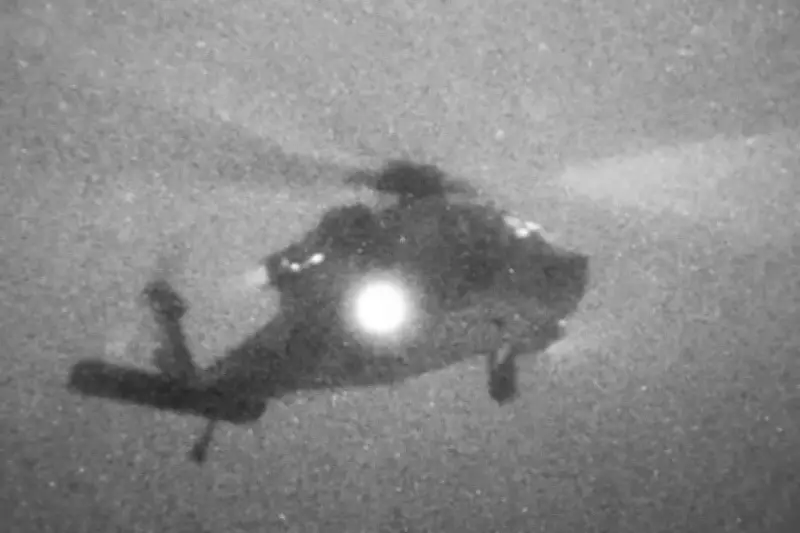
Moments after the ship was disabled, US Marines rappelled onto the Touska from helicopters that departed the amphibious assault ship USS Tripoli. The marines boarded the vessel, seized control, and began searching its contents. Footage released by Central Command captured the intense moments leading up to the boarding, highlighting the precision and force of the military operation.
Former President Donald Trump commented on the incident via Truth Social, stating, "The TOUSKA is under US Treasury Sanctions because of their prior history of illegal activity. We have full custody of the ship, and are seeing what's on board!" He emphasized that warnings were given but ignored, leading to the decisive action.
Iran Vows Retaliation as Diplomatic Tensions Soar
Iran has responded with fury, labeling the interception as "armed piracy" and vowing to retaliate. A spokesperson for the Iranian military's central command centre, Khatam al-Anbiya, warned through the Isna news agency, "We warn that the armed forces of the Islamic Republic of Iran will soon respond and retaliate against this armed piracy and the US military."
The incident has further strained already fraught relations between the two nations. While America's vice president JD Vance indicated plans for another round of talks in Islamabad, Pakistan, Tehran has stated there are no plans for future discussions while the blockade remains in place.
Global Implications for a Critical Shipping Route
The Strait of Hormuz, through which one-fifth of the world's oil and gas passes, is now seething with military presence, disrupting global trade and unsettling the international economy. American Central Command had previously asserted that the blockade would not impede travel through the strait, but this confrontation suggests otherwise, raising fears of broader conflict.
As trade ships wait anxiously and powerful military vessels patrol the waters, the global community watches closely, concerned about potential escalations that could impact energy markets and geopolitical stability. This event underscores the volatile nature of the protracted conflict between the US and Iran, with implications far beyond the immediate region.






