US Navy Seizure of Iranian Ship Casts Doubt on Fresh Ceasefire Talks in Pakistan
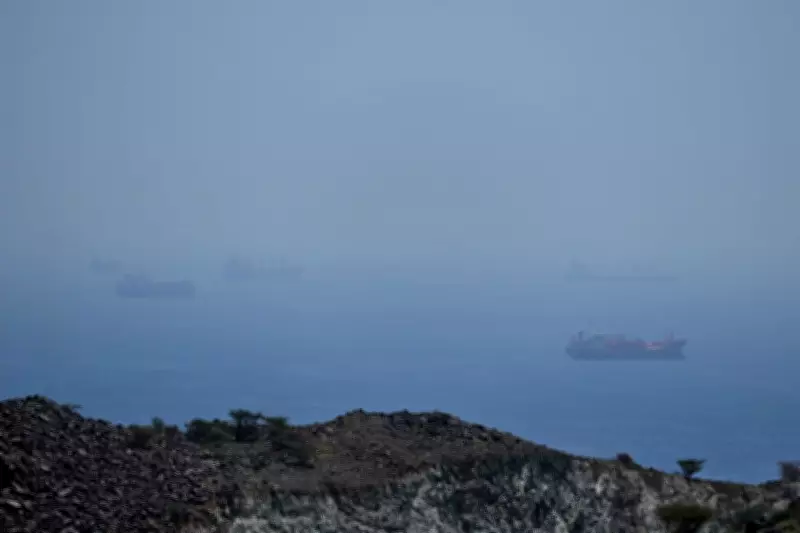
President Donald Trump has announced that the United States Navy forcibly seized an Iranian-flagged cargo ship that attempted to circumvent a naval blockade near the critical Strait of Hormuz. This dramatic interception occurred on Sunday, marking the first such action since the blockade of Iranian ports commenced last week, and it has immediately cast significant doubt on the prospects for upcoming ceasefire negotiations.
Escalating Tensions Threaten Fragile Diplomacy
President Trump's announcement on Sunday had initially raised hopes for extending a fragile ceasefire set to expire by Wednesday, as he stated that US negotiators would head to Pakistan on Monday for another round of talks with Iran. However, Iran has not confirmed its attendance at these talks, and the seizure of the cargo ship named Touska has severely undermined diplomatic efforts. Trump detailed that a US Navy guided missile destroyer in the Gulf of Oman "stopped them right in their tracks by blowing a hole in the engineroom," with US Marines taking custody of the vessel to inspect its contents.
In response, Iran's joint military command condemned the seizure as an act of piracy and vowed to respond soon, escalating the standoff. This confrontation threatens to deepen the ongoing energy crisis that is roiling the global economy and could push the two nations toward renewed hostilities. The conflict has already resulted in substantial casualties, with at least 3,000 people killed in Iran, nearly 2,300 in Lebanon, 23 civilians and 15 soldiers in Israel, and more than a dozen in Gulf Arab states, alongside thirteen US service members.

Regional Developments and Human Rights Concerns
Amidst these tensions, Iran reported on Monday that it executed two men, Mohammad Masoum Shahi and Hamed Validi, whom it accused of setting fire to buildings on behalf of the Israeli intelligence service Mossad. The Mujahedeen-e-Khalq (MEK) opposition group claimed the men as members, alleging that the charges stemmed from events occurring after their detention and that they were subjected to interrogation and torture. This brings the total number of executed MEK members to eight since the war began, with activists and rights groups criticizing Iran for holding closed-door trials where defendants cannot challenge accusations.
In a related development, Hezbollah claimed an attack in southern Lebanon on Sunday afternoon, stating that explosives detonated by its fighters destroyed four tanks in an Israeli convoy near the village of Deir Siryan. This marks the first such claim since a ten-day ceasefire took effect at midnight Thursday, though the Israeli military has not yet commented on the incident.
Economic and Strategic Implications
Iran's first vice president, Mohammad Reza Aref, emphasized the broader economic stakes, warning that global fuel prices can only stabilize if economic and military pressures on Iranian oil exports cease. In a post on X, he asserted, "One cannot restrict Iran's oil exports while expecting free security for others. The choice is clear: either a free oil market for all, or the risk of significant costs for everyone." This statement underscores the interconnected nature of the conflict, where military actions directly impact global energy markets and diplomatic efforts.
The seizure of the Iranian ship not only jeopardizes the fragile ceasefire talks but also highlights the volatile dynamics in the region, where every move carries potential repercussions for international stability and economic security. As tensions mount, the world watches closely to see if diplomacy can prevail over escalating military confrontations.