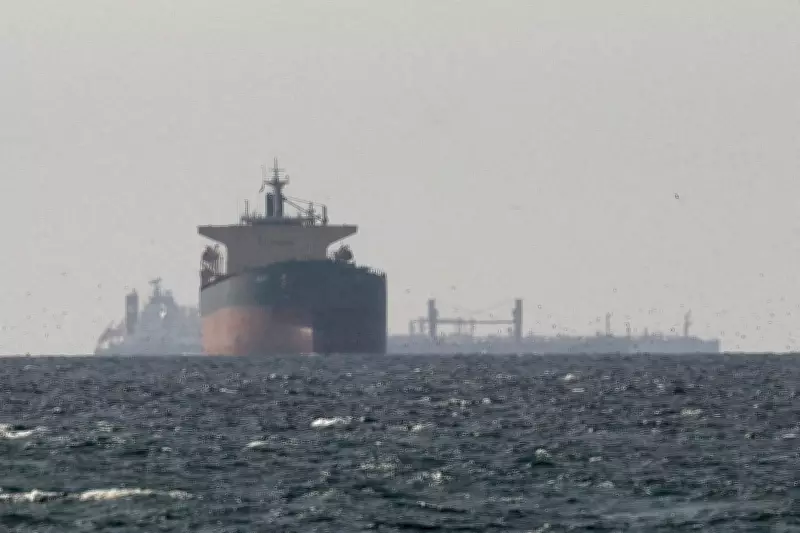
US Seizes Iranian Cargo Vessel: A Legal Breakdown of Strait of Hormuz Escalation
Over recent days, the Strait of Hormuz has become a flashpoint of international tension, with conflicting reports and military actions raising critical legal questions. Iran initially declared the waterway open to commercial shipping, only to reverse course and close it, followed by firing on two Indian-flagged ships. In response, the United States fired on and subsequently seized an Iranian-flagged cargo vessel, prompting Tehran to accuse Washington of violating a temporary ceasefire and threatening retaliation.
What Happened in the Strait of Hormuz?
The situation has evolved rapidly over the past 48 hours. First, statements from U.S. President Donald Trump and the Iranian foreign minister on social media affirmed that the Strait of Hormuz remained open, aligning with earlier ceasefire declarations. On Saturday, a significant number of tankers and cargo vessels moved toward the top of the strait, following a new Iranian-designated transit route north of the normal path. The Joint Maritime Information Centre in Bahrain reported that 18 ships transited through, with at least ten using this new route.
However, the Iranian Revolutionary Guard Corps Navy then reportedly attacked several civilian merchant vessels, including an Indian tanker approved for transit by the IRGC. This suggests internal discord within Iran, with the military potentially contradicting the foreign minister's stance on the strait's status.

Is the US Blockade Legal?
On Sunday, the U.S. fired on an Iranian-flagged cargo ship in the Arabian Sea as part of what is termed a distant blockade. This strategy involves U.S. Navy ships positioned in the Gulf of Oman and northern Arabian Sea, rather than directly off Iranian ports, with a blockade line stretching from the Iranian-Pakistan border to the Omani-UAE border. The U.S. Central Command has reported turning away at least 23 ships as of April 18.
Under the law of naval warfare, a blockade is lawful if it meets specific criteria:
- Declaration: The blockade must be formally declared.
- Impartiality: It must apply to all ships without discrimination.
- Humanitarian Access: Humanitarian goods must be permitted passage.
- Effectiveness: The blockade must be actively enforced.
- Neutral Ports: It cannot close off neutral ports.
Contrary to some reports, the U.S. is blockading Iranian ports, not the Strait of Hormuz itself. A blockade of the strait would be illegal as it would impede transit passage through an international waterway, affecting neutral ports in the Persian Gulf.
Is the US Permitted to Fire on a Cargo Vessel?
The U.S. claims it warned the Iranian-flagged vessel Touska over a six-hour period before taking action. If a vessel fails to comply with such warnings, warning shots or disabling fire may be used under rules of engagement. The U.S. Navy destroyer fired on the Touska's engine room to halt it, an action consistent with naval warfare law if enforcing an effective blockade and adhering to principles of proportionality and necessity.
Seizing the ship is also lawful under these circumstances. The fate of the crew remains unclear; non-Iranian crew members would likely be released and repatriated, while Iranian nationals or those linked to the IRGC could be detained.
In contrast, Iran's attacks on neutral merchant vessels transiting the strait appear unlawful. Neutral merchant ships are generally considered civilian objects unless they contribute to military action, and there is no public indication these vessels were lawful military objectives. Attacking them without justification violates international law, with exceptions only for vessels attempting to breach a lawful blockade.
Where Do Things Go from Here?
The U.S. asserts control over vessels entering and exiting Iranian ports, not the Strait of Hormuz itself, while Iran claims control of the strait and has targeted civilian ships since the conflict began. This tussle for leverage may intensify negotiations between the U.S. and Iran, potentially continuing this week in Pakistan, as both sides seek to supercharge diplomatic efforts amid escalating tensions.