Iran has dismissed suggestions that a deal with the United States is imminent, blaming contradictory statements from Washington and Israeli interference for the lack of progress. Speaking at a weekly press briefing, Esmail Baghaei, spokesperson for Iran’s negotiating team, said that while a large portion of issues had been resolved, no one could claim an agreement was close.
Baghaei insisted that a ceasefire in Lebanon must be included in any memorandum of understanding that would allow Iranian commercial shipping through the Strait of Hormuz, and that the US must lift its blockade of Iranian ports. He also clarified that proposed fees for the strait were for navigational services, not tolls, and that future management of the waterway was a matter for Oman and Iran to decide.
US Secretary of State Marco Rubio expressed hope that a deal could still be reached, describing a “pretty solid thing on the table” that would open the strait and lead to time-limited nuclear negotiations. However, reports indicated a growing list of unresolved problems, with the proposed framework envisaging a 30-day period after a ceasefire for Iran to remove mines from the strait.

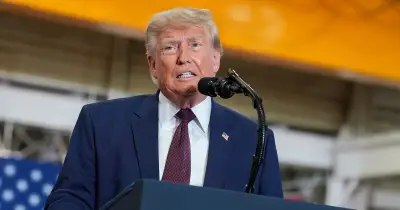
Meanwhile, US Central Command announced strikes on southern Iran in “self-defence”, targeting missile launch sites and boats laying mines. President Donald Trump posted on Truth Social that the deal must be “great and meaningful, or there will be no deal at all”, and called on several countries to join the Abraham Accords en masse to normalise relations with Israel. The proposal was met with scepticism, with former US assistant secretary Barbara Leaf noting “stunned silence” from regional leaders.
Israeli opposition leader Yair Lapid described the emerging deal as “disturbing and bad for the region”, adding that the Israeli government was at an all-time low in influencing Washington. Baghaei confirmed that nuclear issues, such as Iran’s enriched uranium stockpile, would not be addressed in the current memorandum.