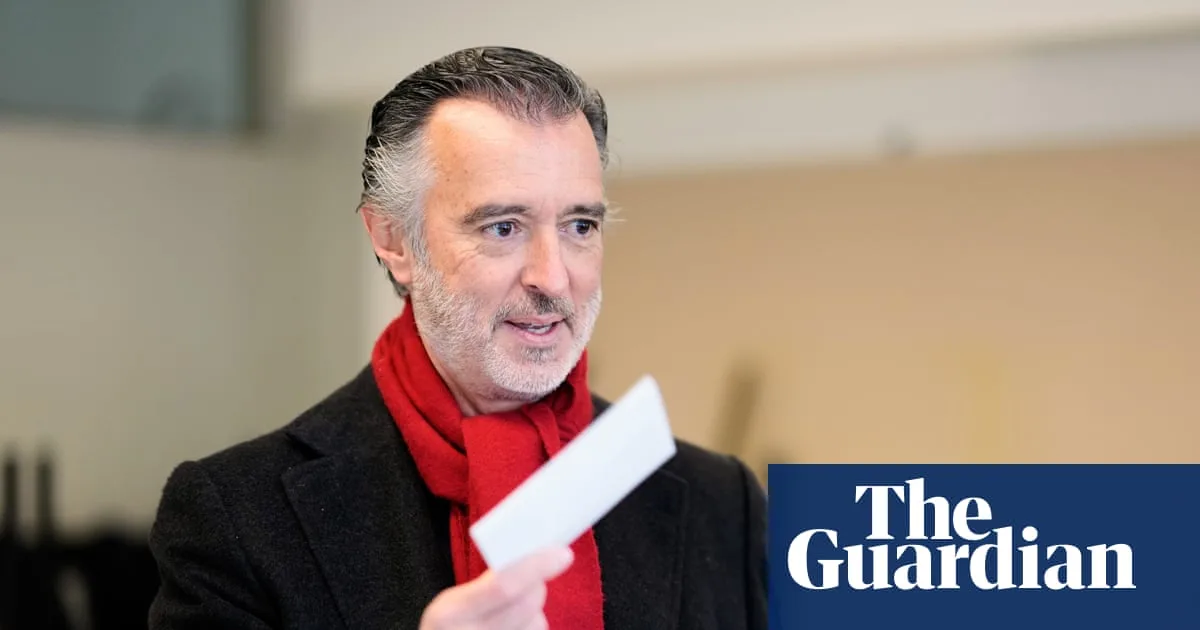
Portuguese voters went to the polls on Sunday in a presidential election expected to be the most fragmented in decades, with the far-right Chega party leader André Ventura poised to reach a likely runoff. Opinion polls show three candidates closely matched for the top two spots, reflecting growing disenchantment with mainstream parties.
The presidency is largely ceremonial but holds key powers, including the ability to dissolve parliament and call snap elections. A runoff has only occurred once since the end of Portugal's dictatorship in 1974, highlighting the current political fragmentation.
An opinion survey released on Friday by Pitagórica put Socialist candidate António José Seguro on 25.1%, followed by Ventura on 23% and Liberal Initiative's João Cotrim de Figueiredo on 22.3%. Other polls showed Ventura slightly ahead but within the margin of error, though his high rejection rate of over 60% makes him likely to lose any runoff.

Chega, founded about seven years ago, became the main opposition party in last May's parliamentary election with 22.8% of the vote. The Economist Intelligence Unit noted that a Seguro-Ventura runoff would be straightforward given Ventura's limited appeal beyond his core base, while a contest involving Cotrim de Figueiredo would be more balanced.
Eight other candidates are running, including Luís Marques Mendes of the ruling centre-right Social Democrats and retired admiral Henrique Gouveia e Melo, who led the Covid-19 vaccination campaign, each polling over 11%. Polling stations close at 7pm, with exit polls expected at 8pm and results overnight.