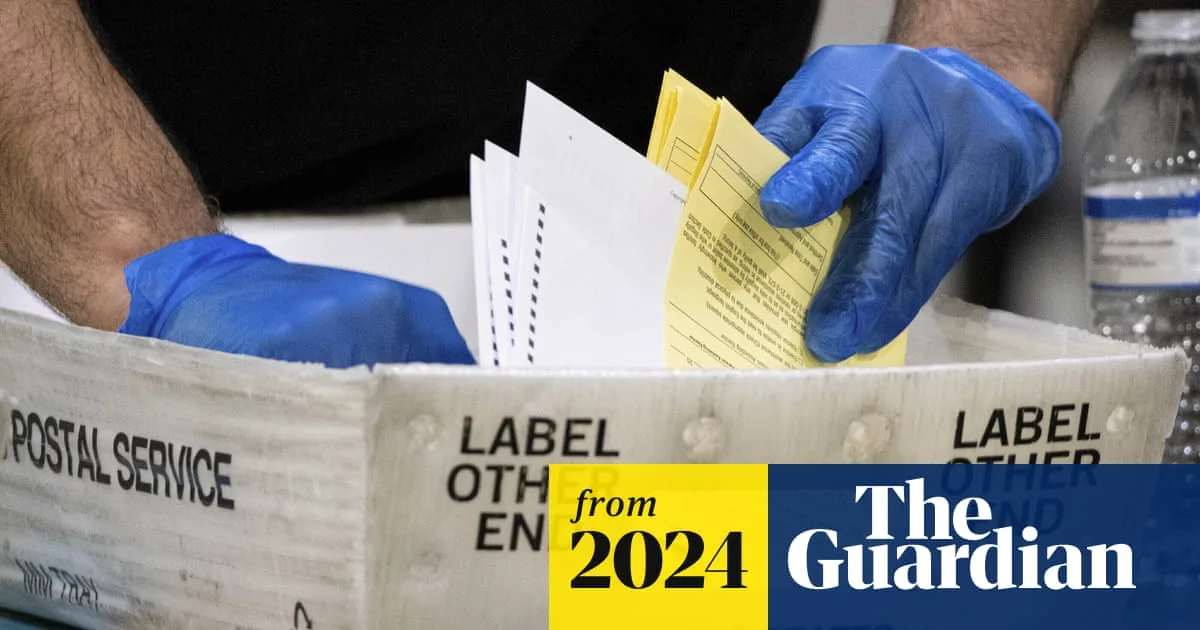
With voting complete in the US presidential election, election officials across the country are now turning to certifying the results before the electoral college meets in December and Congress certifies the vote in January.
Until the 2020 election, few paid attention to certification, which was seen as a bureaucratic way of officialising the election results. But after 2020, Donald Trump and allies who questioned the election results targeted the certification process as a way of causing confusion.
In advance of the presidential election, there were deep concerns that the former president and allies would try to block certification of the election results, starting at the local level. However, Trump’s victory means there likely will not be an effort to block certification of the presidential results.

But there are still some close US Senate and House races that could prompt battles over certification. Experts say it is clear that certification is not discretionary and those who refuse to certify could face criminal penalties.