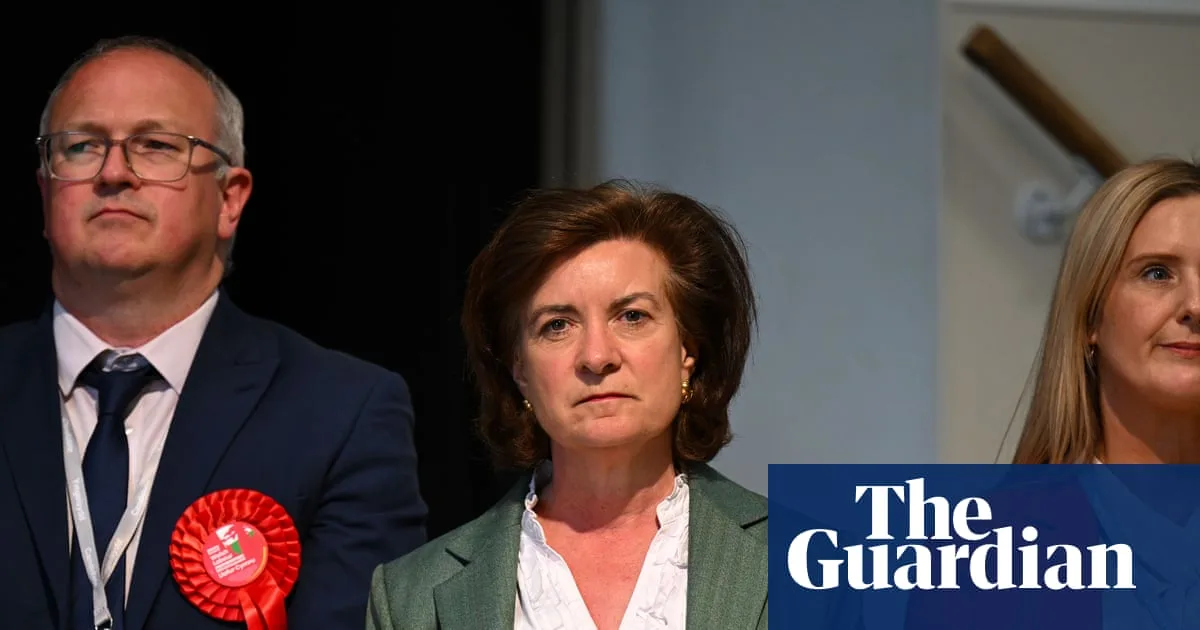
Labour's dominance in Wales has crumbled dramatically, with the party finishing third in the Senedd election and winning just nine seats in the 96-seat parliament. The result marks the end of over a century of Labour hegemony in Welsh politics, as pro-independence Plaid Cymru is set to form a minority government.
First Minister Eluned Morgan lost her own seat in Ceredigion Penfro, becoming the first UK government leader to lose their seat while in office. She resigned immediately, and the party has appointed Ken Skates as interim leader. Morgan acknowledged the rejection, saying, 'The people of Wales have rejected us and we owe it to them to listen, to understand, and to rebuild.'
Analysts point to multiple factors behind the collapse: decades of Labour management of public services that left Wales lagging behind other UK nations in poverty, education, and NHS performance; the unpopularity of Prime Minister Keir Starmer; and Plaid Cymru's effective messaging that a vote for them was the only way to stop Reform UK. Labour's failure to deliver on devolution promises also fueled discontent.

Professor Richard Wyn Jones of Cardiff University described the result as 'astonishing,' noting that Labour's traditional strongholds in the post-industrial valleys and even in Cardiff have eroded. 'It's hard to identify any solid territory they can actually rebuild on,' he said.
The election also saw the introduction of a new, more proportional voting system, which failed to stem Labour's losses. The party's previous worst performance was 26 seats in a 60-seat chamber, making this collapse unprecedented in Welsh political history.