First Convictions Under French Maritime Policy as Two Migrant Smugglers Jailed
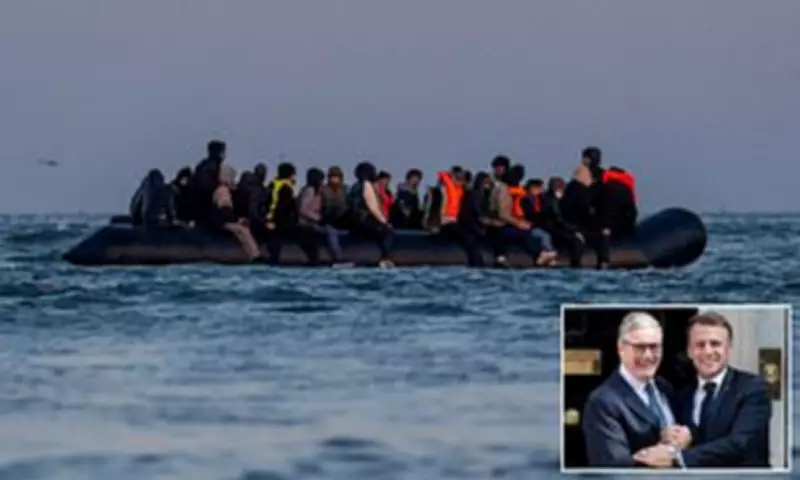
Two men have been sentenced to prison terms in Dunkirk, representing the first convictions secured in the three months since French authorities implemented new powers to arrest suspected people smugglers directly on the water. The landmark cases highlight the ongoing challenges in curbing illegal Channel crossings.
Details of the Convictions and Sentences
An 18-year-old Iranian national, identified only as Aram M., received an 18-month prison sentence for piloting a so-called 'taxi boat' on the Aa canal near Gravelines in northern France. The vessel was launched relatively empty from the canal, with plans to load migrants from a beach before attempting the Channel crossing.
A second defendant, Ahmed D., a 19-year-old Afghan national who was aboard the same inflatable boat, was jailed for six months for assisting illegal migration. Ahmed D. had a previous conviction for the same offence from June 2024, resulting in a six-month prison term and a five-year ban from France, which he violated by returning to the country.

The Dunkirk Criminal Court heard that Aram M. was caught steering the dinghy toward the English Channel on March 3. He discarded his mobile phone in the water moments before his arrest by French gendarmes. In a fast-track trial, both men were prosecuted and sentenced just three days later on March 6.
Legal Proceedings and Defence Arguments
Aram M. claimed during proceedings that he was given the steering job in exchange for free passage to England. However, the court found him guilty of 'aiding and abetting illegal entry and residence in France,' an offence punishable by up to five years imprisonment. He was also banned from France for five years upon his release.
Ahmed D. maintained that he was not a people smuggler but a genuine asylum seeker attempting to reach Britain. Despite his youth, prosecutors argued for a 'particularly strong' punishment due to his prior conviction. The court sentenced him to another six months in prison and increased his banning order from France to ten years.
Ten other individuals who were on the boat when it was intercepted remain in administrative custody but have not yet faced criminal charges.
Context of the New French Maritime Policy
A French prosecuting source confirmed that these convictions are 'the first to be imprisoned following the adoption of the new maritime policy.' The source noted that police interventions are currently limited to calm canals where boats are launched, rather than open sea, which may explain the low number of arrests.
The strategy was first deployed on January 17, when another dinghy was intercepted on the Aa canal at Gravelines. In that case, an 18-year-old Sudanese man accused of smuggling 40 people was acquitted after his defence successfully argued he was a paying passenger, with the judge deeming prosecution evidence insufficient.
Criticism and Migration Statistics
The scarcity of prosecutions since the policy's adoption in December has drawn sharp criticism. Alp Mehmet, chairman of Migration Watch UK, condemned the figures, stating: 'These stats show the tactic is just a gimmick. The French and Labour want to give the impression they are serious about wanting to stop the crossings and tackle the gangs but they are not.'
Mehmet added: 'It's not a priority for them and neither is stopping the enormous cost to the British taxpayer. This figure is really poor. It's really frustrating they are not doing anything to actually stop this problem. It's disgraceful.'
Despite these two water-based interventions, migration numbers remain high. According to Home Office figures, approximately 1,200 migrants crossed to southern England from France in March alone, bringing the 2026 total to 3,409.
Background of the Policy Agreement
France agreed to the new tactics of arresting suspected smugglers on the water during a summit in London last July between President Emmanuel Macron and Sir Keir Starmer. The British government had anticipated that this policy would lead to a significant increase in smuggler arrests and potentially turn boats back.

The French had previously insisted that arrests on water were too dangerous and contravened maritime law. The powers were introduced following persistent complaints from British authorities about the need for more robust enforcement measures.
This development underscores the complex legal and operational hurdles faced by both nations in addressing the persistent issue of illegal Channel crossings, with the effectiveness of new strategies remaining under scrutiny.