The Kerry Babies Case: A 40-Year-Old Unsolved Mystery That Shocked Ireland
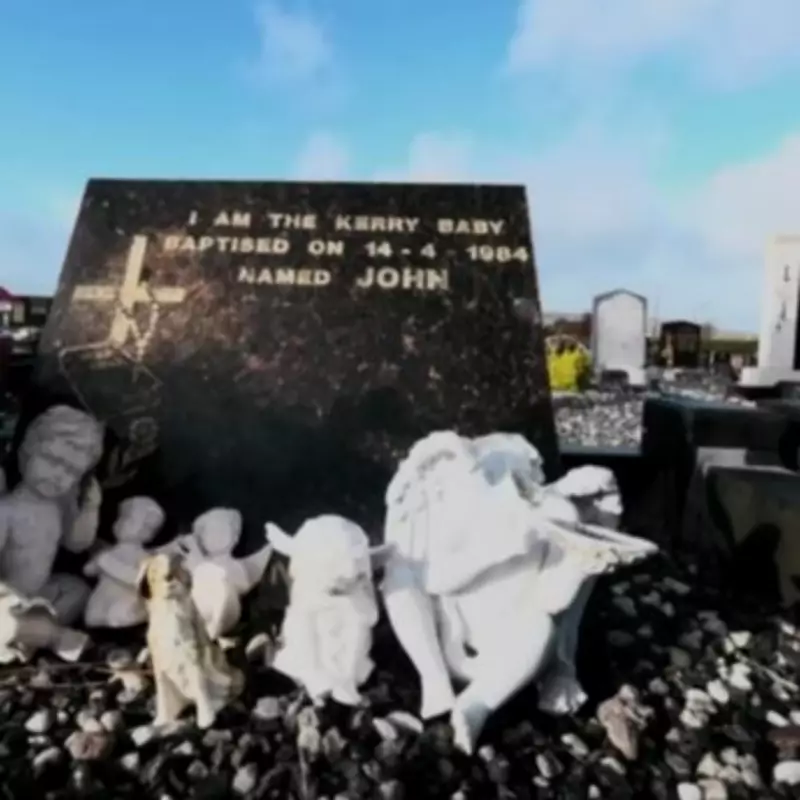
On April 14, 1984, a local farmer named Jack Griffin was jogging along White Strand beach in County Kerry, Ireland, when he stumbled upon a scene of unimaginable horror. What he initially hoped was a doll turned out to be the body of a five-day-old baby boy, face down in the sand with black hair. The infant, later named Baby John, had suffered a broken neck and 28 stab wounds, his small body washed ashore after being thrown into the sea.
A Bungled Investigation and Wrongful Accusations
The discovery triggered a major police investigation, with detectives from Dublin descending on the area. Their focus quickly turned to Joanne Hayes, a 25-year-old receptionist and single mother from Abbeydorney, about 80 kilometers from the beach. Ireland in the 1980s was a vastly different society, where divorce and abortion were illegal, and children born outside marriage faced stigma.
Hayes had been admitted to hospital on the same day Baby John was found, having just given birth. With no sign of her newborn, detectives grew suspicious. Under pressure, Hayes and her family signed statements confessing to the murder and disposal of Baby John. She was charged with murder, while four relatives faced related charges.

However, the case soon unraveled. The confessions were retracted, with claims of coercion. It emerged that Hayes had given birth to a baby, named Shane, who was either stillborn or died naturally shortly after birth. Shane was buried on the family farm. Crucially, blood tests revealed Shane had type O blood, matching Hayes and her partner Jeremiah Locke, while Baby John had type A blood.
The Controversial Tribunal and State Apology
Despite this evidence, gardaí (Irish police) controversially suggested Hayes might have had twins with different fathers—a rare phenomenon called superfecundation—and killed Baby John while burying Shane. The case collapsed, and charges were dropped, but Hayes was forced to endure the Kerry Babies Tribunal, a public inquiry that subjected her to humiliating questions about her private life. At one point, she fled the witness stand to be physically sick.
Decades later, in 2018, DNA tests definitively proved Hayes could not have been Baby John's mother. In 2023, former Taoiseach Leo Varadkar issued a formal state apology, calling the investigation a "dark chapter" and awarding Hayes and her family €2.5 million in compensation. Then Justice Minister Simon Harris described it as a "defining moment in social history," condemning the treatment of Hayes as "despicable and unacceptable."
An Enduring Cold Case
Despite recent developments, including the 2023 arrests of a man in his 60s and a woman in his 50s—both released without charge—the mystery remains unsolved. Baby John's parents and killer have never been identified. Superintendent Flor Murphy has made repeated appeals for public information, promising sensitivity and compassion to anyone who comes forward.
The case has been explored in documentaries like Channel 4's "Murdered: Baby on the Beach," keeping it in the public eye. As Ireland continues to grapple with other cold cases, such as the disappearances of Deirdre Jacob and Jo Jo Dullard, the Kerry Babies tragedy stands as a poignant reminder of justice delayed and the human cost of investigative failures.