Teens Receive Probation for AI-Generated Fake Nude Images of Classmates
Two teenage boys who utilised artificial intelligence to produce fabricated nude photographs of their classmates have been granted probation and placed under parental custody. The juveniles, aged 14 at the time of the offences, confessed earlier this month to generating 59 child sexual abuse images.
Details of the Offence and Legal Proceedings
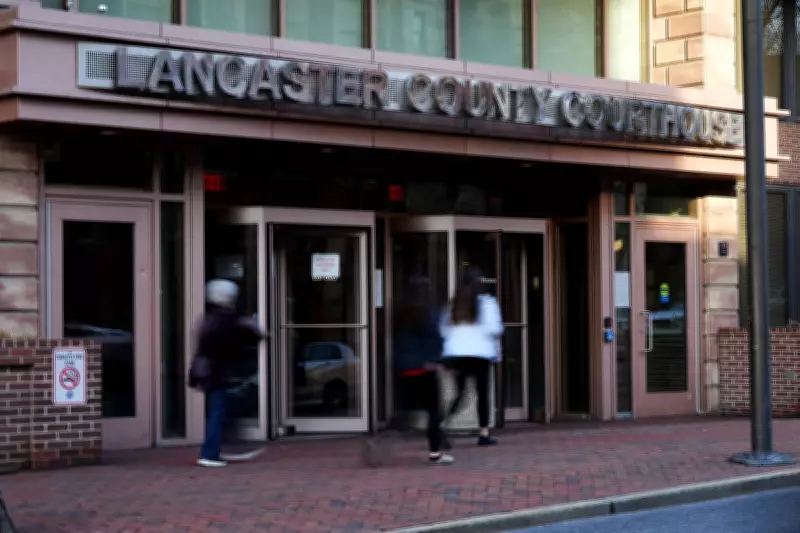
Prosecutors revealed that the boys morphed photographs of girls, many sourced from Instagram, with virtual adult images depicting nudity or sexual activity. Several victims were their fellow students at Lancaster Country Day School, located west of Philadelphia. The case came to light after a woman reported that her daughter informed her a student was "taking photographs of students and using Artificial Intelligence (AI) technology to portray the female juvenile students as being nude."
During a disposition hearing in Lancaster County Common Pleas Court, Judge Leonard Brown III presided over the juvenile court equivalent of a sentencing hearing. In addition to probation, each boy was ordered to complete 60 hours of community service. Judge Brown indicated that if no further legal issues arise, the case could be expunged after two years. The teenagers were also prohibited from contacting the victims and must pay an unspecified amount of restitution.

Judge's Remarks and Lack of Apology
Judge Brown noted that he did not hear either boy apologise or accept responsibility for their actions. He emphasised that if they were adults, they would likely be facing state prison sentences. Throughout the proceedings, the boys declined multiple opportunities to address the judge, and one refused to comment outside the courtroom.
Heidi Freese, an attorney representing one of the boys, described the situation as "a regrettable, long torturous process for everyone involved." She added that "There were very interesting, underlying legal issues surrounding the charges in this case and those will be decided on a different day in a different case."
Broader Implications and Legal Context
Pennsylvania Attorney General Dave Sunday stated that the case "exemplifies the dark side of modern technology and social media." He further commented, "The conduct involved a weaponization of technology to victimize unsuspecting children who had photos online. It goes without saying that the impact on the victims is nothing short of devastation."
This resolution follows closely on the heels of a lawsuit in Tennessee, where three teenagers are suing Elon Musk's xAI, alleging that the company's Grok tools transformed their real photos into explicit sexual images. The high school students are seeking class-action status to represent potentially thousands of similarly victimised minors.
Victim Impact and Potential Civil Claims
The 2024 scandal in Pennsylvania triggered student protests, the departure of school leaders, and criminal charges against the two teenagers. Nadeem Bezar, a Philadelphia lawyer representing at least ten victims, announced plans to file claims "against the school and anybody else we think has culpability in these deepfakes being created and disseminated."
Bezar explained that the legal process aims to determine "exactly when and where and how the school knew, how the boys created these images, what platforms they used to create these images and how they were disseminated." He described the varying reactions of the girls, noting that for some, the experience was deeply traumatising. "You're talking about teenage young women who are goal-driven, doing well in school, trying to do everything they can to just sort of fit in and find their way through life at that young age, where everything matters," Bezar said.
Legislative Responses to Deepfake Technology
As AI technology becomes increasingly accessible and powerful, lawmakers nationwide have enacted legislation to combat deepfakes. Last year, President Donald Trump signed the Take it Down Act, which criminalises the publication of intimate images, including deepfakes, without consent and mandates that websites and social media platforms remove such material within 48 hours of notification by a victim.

According to the consumer advocacy group Public Citizen, forty-six states now have laws addressing deepfakes, with legislation pending in the remaining four: Alaska, Missouri, New Mexico, and Ohio. This case underscores the urgent need for robust legal frameworks to address the misuse of emerging technologies.