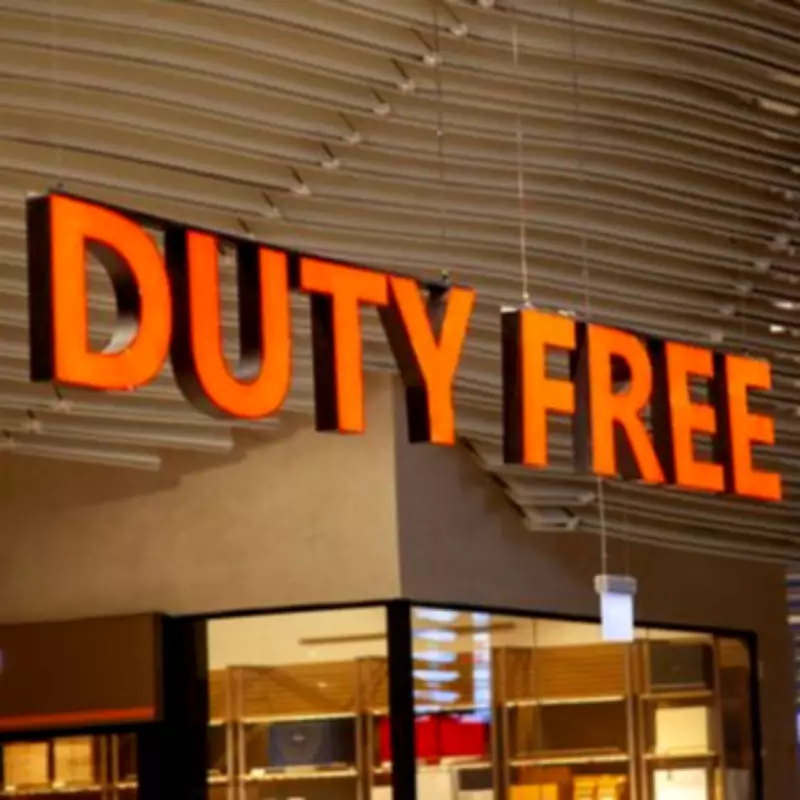
British travellers returning from holidays abroad risk fines or having their goods seized if they overlook the strict duty-free allowances imposed by UK customs. Following Brexit, the UK now treats all EU countries as non-EU for customs purposes, meaning limits have tightened for those flying or sailing into the country.
What Is the Duty-Free Allowance?
The duty-free allowance is the authorised quantity of goods, such as alcohol, tobacco, and gifts, that travellers can bring into a country without incurring customs duty, value-added tax (VAT), or other levies. Exceeding these limits can lead to penalties, including fines and legal action.
Restricted vs. Unrestricted Goods
Goods are split into two categories: unrestricted items (clothing, electronics, personal belongings) have no special caps, while restricted items (alcohol, tobacco, perfume) are subject to specific limits.

Limits for Air and Sea Travel
According to ETIAS Visa Europe, Brits returning by air or sea can bring:
- 200 cigarettes (or 100 cigarillos, or 50 cigars, or 250g of tobacco)
- 4 litres of still wine and 16 litres of beer
- 1 litre of spirits or 2 litres of fortified/sparkling wine
- Other goods up to a value of €430 per person
Limits for Rail and Road Travel
For non-EU citizens arriving by rail or road, the allowances are lower:
- 40 cigarettes (or 20 cigarillos, or 10 cigars, or 50g of tobacco)
- 1 litre of spirits or 2 litres of fortified/sparkling wine, plus 4 litres of still wine and 16 litres of beer
- Other goods up to a value of €300 per person
Passengers cannot pool their allowance with others, so each individual must stay within their own limits.
Consequences of Exceeding Limits
If goods exceed the duty-free allowance, customs duty, VAT, and other taxes may be applied on the excess amount. The total owed depends on the type, value, and origin of the goods. A spokesperson for ETIAS warned: “To avoid overpaying taxes and duties, travellers should be aware of the duty-free allowances for the type of goods they are bringing into the EU. They should accurately declare all goods and their value, keep receipts, and consult customs officials if unsure.”
Additional Fines for Certain Goods
Holidaymakers could also face fines of up to £5,000 for bringing certain goods into England, even if purchased duty-free. The Department for Environment, Food and Rural Affairs (DEFRA) recently urged travellers to take simple steps to protect against diseases when importing animal or plant products.