A prominent US-based human rights organisation has released a stark new assessment of the recent unrest in Iran, stating it has now verified at least 3,766 deaths during a wave of anti-government protests and the subsequent state crackdown.
A Soaring Death Toll and Accusations
The Human Rights Activists News Agency (HRANA) published the revised figure on Sunday, 18 January 2026, marking a significant increase from its previous count of 3,308. The agency, which has built a reputation for accuracy through a network of activists inside Iran, fears the final number could be even higher. This death toll now surpasses that of any other major protest or period of unrest in the country for decades, drawing grim comparisons to the chaos of the 1979 revolution.
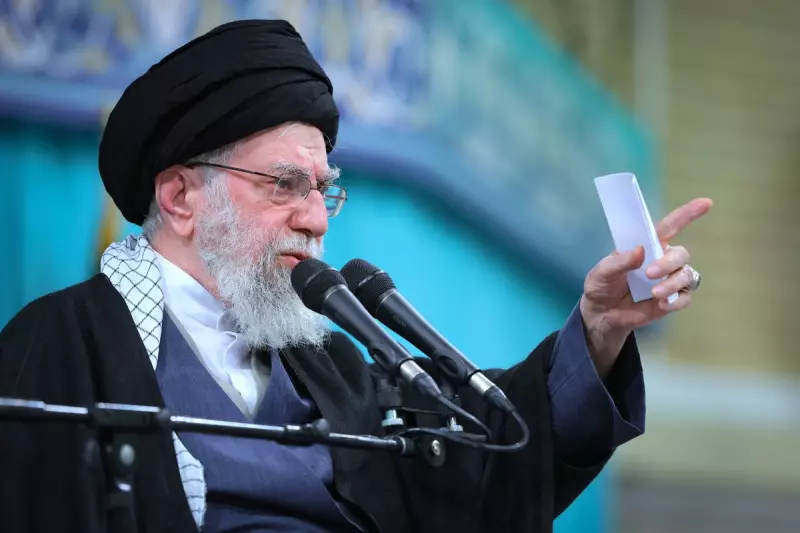
For the first time, an Iranian leader has acknowledged the scale of the casualties. On Saturday, Supreme Leader Ayatollah Ali Khamenei said the protests had left “several thousand” people dead, directly blaming the United States for the loss of life. The protests initially erupted on 28 December over the country's ailing economy before escalating.

International Tensions and Domestic Crackdown
The situation has fuelled already high tensions between Tehran and Washington. US President Donald Trump had repeatedly threatened military action if Iran used deadly force against demonstrators, telling protesters that "help is on the way." In response, Khamenei branded Trump a "criminal" for supporting the rallies, describing the protesters as American "foot soldiers."
Meanwhile, the domestic crackdown has been severe. HRANA reports that 24,348 protesters have been arrested. Authorities have also imposed a widespread internet blackout since 8 January, though limited services briefly returned over the weekend. While some access to domestic websites was restored on Sunday, email and many international platforms remain blocked.
Individual Cases and an Uneasy Calm
Amid the staggering statistics, individual cases highlight the human cost. The family of detained protester Erfan Soltani, 26, confirmed his planned execution was postponed at the last minute. A relative, speaking from abroad under the name Somayeh for fear of reprisals, pleaded for help in securing his freedom.
While no major street protests have been reported for days, an uneasy calm prevails. Witnesses stated that on Saturday night, anti-Khamenei chants echoed from residential windows in neighbourhoods across Tehran, Shiraz, and Isfahan, suggesting underlying discontent remains. As the digital curtain remains partially drawn and the full extent of the tragedy is still being pieced together, Iran faces one of its most profound crises in recent history.