

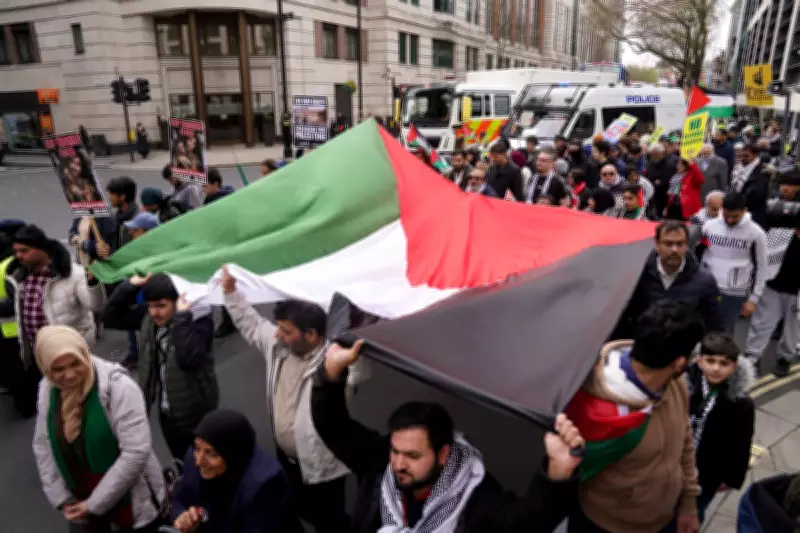
Home Secretary Prohibits Al Quds Day March in London Amid Public Disorder Concerns
The Home Secretary has taken the significant step of banning the annual pro-Palestinian Al Quds Day march in London, citing substantial fears over serious public disorder. This decision follows a formal request from the Metropolitan Police, which assessed that conditions were insufficient to prevent potential violence and disruption during the event.
Key Factors Behind the Ban
The prohibition was influenced by several critical factors, including the large scale of the planned protest, the organisation of multiple counter-protests, and the heightened tensions stemming from the ongoing conflict in the Middle East. Authorities expressed concerns that these elements could escalate into significant unrest, posing a risk to public safety and order in the capital.
Historical Context and Criticisms

The Al Quds Day march has faced considerable criticism in previous years due to its organisers' apparent support for the Iranian regime and its late leader, Ayatollah Ali Khamenei. Past events have resulted in arrests linked to allegations of supporting terrorist organisations and committing antisemitic hate crimes, further complicating the security landscape.
Organiser Response and Legal Challenges
The Islamic Human Rights Commission (IHRC), which coordinates the protest, has strongly condemned the ban, labelling it a politically charged decision. The group is currently seeking legal advice to challenge the prohibition and has confirmed that a static protest will still proceed as an alternative form of demonstration.
Significance of the Ban
This action marks the first instance of a protest march being banned in London since 2012, highlighting the severity of the perceived threats. The move has been welcomed by organisations such as the Campaign Against Antisemitism, which views it as a necessary measure to prevent hate crimes and ensure community safety.
In summary, the Home Secretary's decision underscores the balancing act between upholding the right to protest and maintaining public order, particularly in contexts fraught with geopolitical tensions and historical grievances.






