El Salvador's Bukele Proposes Life Prison Sentences Amid Mass Imprisonment Drive
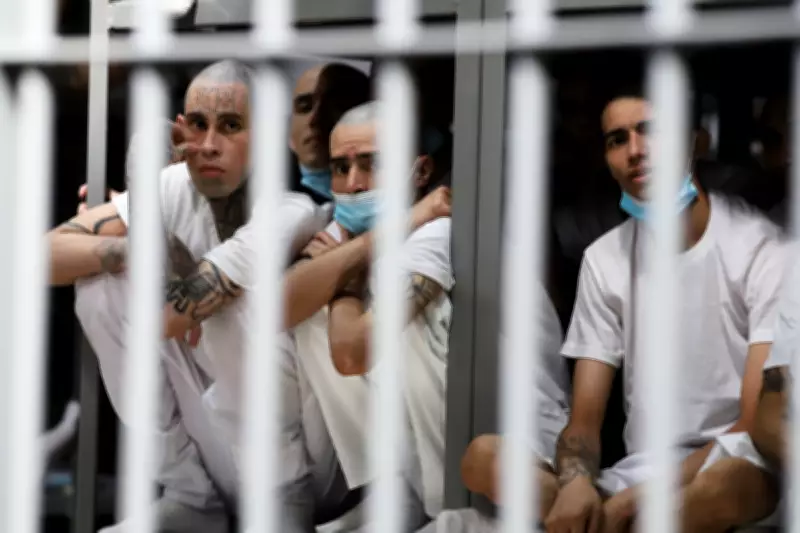
President Nayib Bukele and his political party are advancing a constitutional reform to allow life prison sentences in El Salvador, a nation that has imprisoned more than 1% of its population in an aggressive war against gangs. The reform was introduced on Tuesday before the legislature, which is dominated by Bukele's party, making its passage highly likely.
Criticism of Democratic Erosion
This proposal follows a series of constitutional changes pushed by Bukele, which critics argue are eroding checks-and-balances and undermining the country's fragile democracy. In a post on X, Bukele challenged opponents, stating, "We will see who supports this reform and who dares to defend the idea that the Constitution should continue prohibiting murderers and rapists from remaining in prison."
Earlier in August, the government enacted another reform eliminating presidential term limits, enabling Bukele to potentially remain in power indefinitely. Legal experts widely view his second term, which began in 2024, as unconstitutional due to prohibitions on consecutive reelection.

State of Emergency and Human Rights Concerns
The life sentence reform builds on measures taken to combat gangs, including a state of emergency initiated in March 2022 after a surge in gang violence. Although intended as temporary, this emergency has been extended for nearly four years, suspending key constitutional rights and leading to approximately 91,300 detentions.
Human rights groups have documented numerous cases of arbitrary detentions over the years. One organization even presented allegations before the Inter-American Commission on Human Rights (IACHR), claiming that the vast majority of those imprisoned under the state of emergency were arbitrarily detained. Bukele has sharply criticized these allegations but acknowledged that 8,000 innocent individuals have been released.
Crackdown on Dissent and Judicial Issues
Bukele's administration has also targeted critics, activists, journalists, and opposition voices, often forcing them into exile or imprisonment. Detainees under the state of exception are frequently held with minimal evidence, vague accusations, and limited access to due process. Mass trials are common, and lawyers often struggle to locate their clients within the prison system.
Officials in Bukele's government have previously vowed that gang members detained "will never return" to the streets, underscoring the harsh stance of the crackdown.