

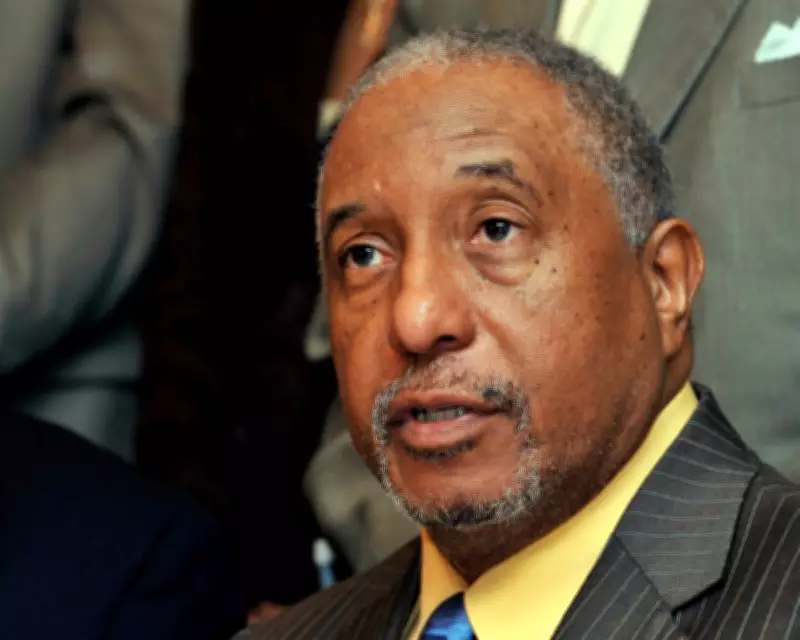
Civil Rights Icon Bernard LaFayette Passes Away at 85
Bernard LaFayette, the pioneering civil rights leader whose courageous groundwork in Selma, Alabama, was instrumental in the passage of the landmark Voting Rights Act of 1965, has died at the age of 85. His son, Bernard LaFayette III, confirmed that his father passed away on Thursday morning due to a heart attack.
The Selma Campaign and Bloody Sunday
While the brutal beating of future congressman John Lewis and other voting rights marchers on Selma's Edmund Pettus Bridge on March 7, 1965 – an event known as Bloody Sunday – shocked the nation and galvanised Congress into action, LaFayette had been quietly preparing the stage for this pivotal moment two years earlier. In 1963, he was appointed director of the Alabama voter registration campaign and moved to Selma with his then-wife, Colia Liddell.
Their mission was to empower local Black residents, convincing them that change was achievable and building unstoppable momentum. This dangerous work is detailed in LaFayette's 2013 memoir, In Peace and Freedom: My Journey in Selma. The risks were severe, including an assassination attempt on the same night civil rights activist Medgar Evers was murdered in Mississippi, which the FBI later described as part of a conspiracy targeting civil rights workers.

Early Activism and the Freedom Rides
LaFayette's commitment to justice was forged early. A childhood incident in Tampa, Florida, where he witnessed his grandmother being mistreated on a segregated trolley, left a lasting impression. He vowed to confront racial injustice, a promise he would keep throughout his life.
He attended the American Baptist Theological Seminary in Nashville, rooming with John Lewis. Together, they helped lead the nonviolent campaign that successfully desegregated Nashville's downtown accommodations, making it the first major southern city to do so. In 1961, LaFayette left college during final exams to join the Freedom Rides, enduring beatings in Montgomery, Alabama, and imprisonment at Parchman prison in Mississippi alongside over 300 other riders.
A Lifelong Mission of Nonviolence
By 1965, LaFayette had moved to Chicago to begin new work, missing Bloody Sunday as he had planned to join the Selma-to-Montgomery march on its second day. He swiftly organised supporters in Chicago to travel to Alabama for the subsequent, successful march that occurred after President Lyndon Johnson introduced the Voting Rights Act to Congress.
LaFayette's dedication to nonviolence became his life's work. He trained Black youth in Chicago, helped organise tenant unions – efforts that Professor Mary Lou Finley notes directly influenced modern tenant protections – and worked with Andrew Young and the Southern Christian Leadership Conference. He was with Martin Luther King Jr. at the Lorraine Motel on the morning of King's assassination in 1968, with King's final words urging him to institutionalise and internationalise the nonviolence movement.
"Bernard literally went everywhere he was invited as sort of a global prophet of nonviolence," said Andrew Young, highlighting LaFayette's work in Latin America, South Africa with the African National Congress, and Nigeria during its civil war.
Later Life and Legacy
After King's death, LaFayette completed his education, earning a doctorate from Harvard University. He held numerous prestigious roles, including director of peace and justice in Latin America, director of the Center for Nonviolence and Peace Studies at the University of Rhode Island, and minister of the Westminster Presbyterian Church in Tuskegee, Alabama.
In his memoir, LaFayette reflected that the constant threat of death during the early years of organising taught him that life's value "lies not in longevity, but in what people do to give it significance." His legacy as a key architect of one of America's most important civil rights laws and a tireless advocate for global nonviolence endures.






