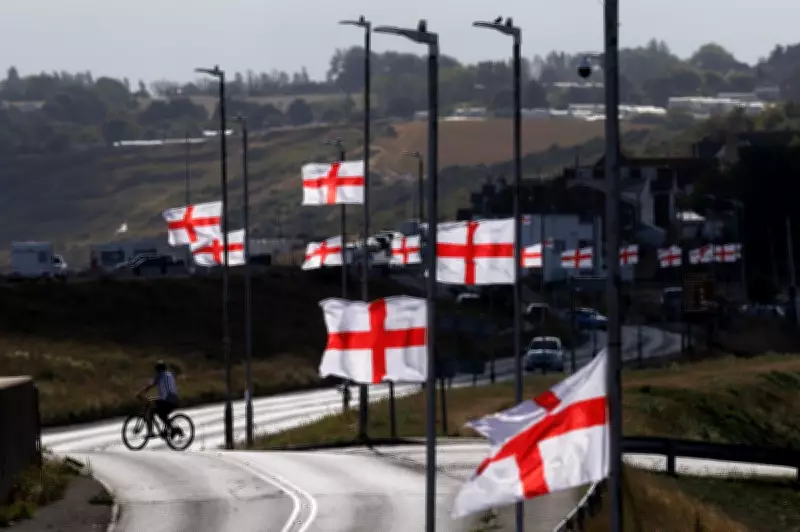
Senior bishops from the Church of England have issued a stark warning against the far right's appropriation of the St George's Cross to "intimidate others," particularly migrants, in a move that seeks to reclaim England's national flag as a "symbol of unity." The intervention comes amid growing concerns over the co-opting of Christian imagery by nationalist groups, which has sparked fears of division and racism in communities across the country.
Bishops Call for Unity Amid Flag Controversy
In a powerful statement released on Sunday, seven leading bishops, including Bishop of Leicester Martyn Snow, Bishop Arun Arora of Kirkstall, Bishop Toby Howarth of Bradford, and Bishop Michael Volland of Birmingham, expressed deep alarm over the misuse of the St George's Cross. They emphasised that the flag, which features a cross reflecting England's Christian heritage, should not be monopolised by any single group or cause. Instead, they urged it to serve as a unifying emblem for the nation, rejecting attempts to use it to sow discord and misunderstanding.
Far-Right Groups and Symbolic Appropriation
The controversy has been fueled by activities from groups such as "Raise the Colours," which began promoting the hoisting of St George's flags last summer with backing from far-right figures like Tommy Robinson. This movement gained momentum during Robinson's "Unite the Kingdom" nationalist march in September last year, which drew up to 150,000 participants to London and prominently displayed the St George's cross, union flag, and wooden crosses. Additionally, the UK Independence Party (Ukip), under new leader Nick Tenconi, has adopted a cross symbol in its party logo, drawing comparisons to the Nazi Party's Iron Cross—a claim Ukip denies, insisting it is a Christian Cross Pattée.

Both Tenconi and members of Raise the Colours have been involved in trips to northern France to intimidate refugees living in destitution, further exacerbating tensions. The bishops highlighted that such actions have led to racist abuse and violence, leaving many in society feeling anxious and unsafe in their own communities and workplaces.
Church's Response to Migration Concerns
Acknowledging the legitimate concerns within communities regarding migration issues, the bishops stressed that churches should be spaces where diverse views on immigration are heard with respect and empathy. They noted that congregations have shared expressions of fear from individuals who feel threatened by those blaming migrants for economic and social challenges. The statement, also endorsed by bishops from London dioceses such as Barking, Croydon, and Willesden, warned against the spillover of this rhetoric into hate crimes and emphasised the need for compassion and dialogue.
Broader Context of Cultural Wars
This intervention follows recent criticism from the Bishop of Manchester, who condemned fake claims that "Christmas was cancelled" as part of a "dim culture war." The Right Reverend David Walker described such appropriations of Christian festivals as offensive, arguing they distort the message of light triumphing over darkness. The Church of England's stance reflects a broader effort to counter the weaponisation of religious symbols for political ends, advocating for a more inclusive and peaceful society.
As the debate over national identity and immigration intensifies, the bishops' call for unity serves as a reminder of the Christian values of loving one's neighbour and fostering community cohesion, urging all to reject intimidation and embrace diversity.