

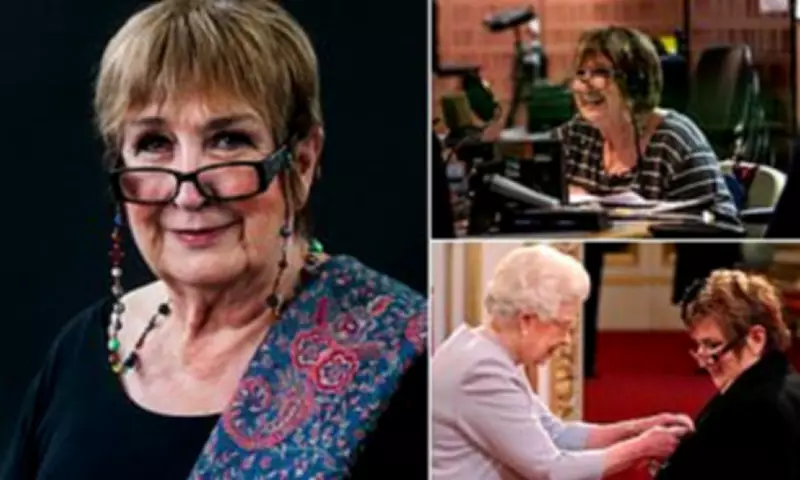
Bravery remains a rare and invaluable trait in today's world. The citizens of Iran demonstrate immense courage by confronting a brutal regime, while victims of grooming gangs show fortitude in facing their abusers. In London, protesters maintain a 24-hour vigil outside the Chinese embassy, advocating for Falun Gong and Uyghur Muslims. Figures like Volodymyr Zelensky and the late Alexei Navalny exemplify exceptional bravery in the face of oppression.
The Prevalence of Moral Cowardice
However, most individuals avoid taking stands, preferring to protect their own interests and avoid conflict. This moral cowardice is contagious, spreading through social media and degrading political discourse. It manifests in alarming ways, such as university students refusing to live with Jewish peers or parliamentary votes on controversial issues. This reluctance to challenge nonsense undermines societal integrity.
Admiration for Defiant Voices
That is why figures like Aayan Hirsi Ali, J.K. Rowling, Salman Rushdie, Douglas Murray, and Nimco Ali command respect. They swim against the tide, risking their safety and sanity to confront pitchfork-wielding mobs. Dame Jenni Murray was among these brave souls, and her recent passing at age 75 is a profound loss.

Dame Jenni Murray's Illustrious Career
Dame Jenni's health declined after she left, or was pushed out from, her role as the iconic presenter of Woman's Hour, a show she led for over 30 years. With a comforting voice and disarming interview style, she drew surprising insights from guests. Her natural authority made her intimidating yet never cruel, as she candidly shared her personal struggles.
She excelled in broadcasting by focusing on her subjects rather than herself, a rarity in an industry often dominated by narcissists. Her memoirs reveal this humility stemmed from a challenging relationship with her mother. Despite this, Murray could be fierce when needed, as seen in interviews with Margaret Thatcher and Hillary Clinton.
Trailblazing in a Male-Dominated Field
Starting as a copytaker at BBC Radio Bristol in 1973 and presenting Newsnight by 1983, she paved the way for women in journalism. Her bravery extended to asking daring questions on air, such as inquiries about Monica Lewinsky or François Mitterrand's comments on Thatcher.
Defending Women and Biological Sex
In 2006, she bravely announced her breast cancer diagnosis live, demystifying the disease for listeners. Yet, her greatest courage lay in defending women and asserting the immutability of biological sex. In 2017, she argued in The Sunday Times that trans women should not be called "real women," a stance considered blasphemous by trans activists at the time.
Her measured article faced backlash from zealots who resorted to intimidation, akin to arguing with a hurricane. Murray refused to retreat, opposing terms like "cis" and "pregnant people" and advocating for single-sex spaces. She believed trans women could not fully comprehend female experiences due to lacking a childhood in a patriarchal society.
The Cost of Courage
This stance ended her BBC career, as the Corporation barred her from discussing trans rights, citing impartiality rules inconsistently applied to others like Gary Lineker. She was deeply hurt by the BBC's lack of loyalty and the vitriol directed at her, recognizing underlying misogyny targeting strong women.
Dame Jenni Murray was an inspiration, an icon, and a towering intellect. Her legacy challenges us to confront moral cowardice and uphold bravery in an often cowardly world.






