Debt Bondage Drives Pakistani Brick Kiln Workers to Sell Organs
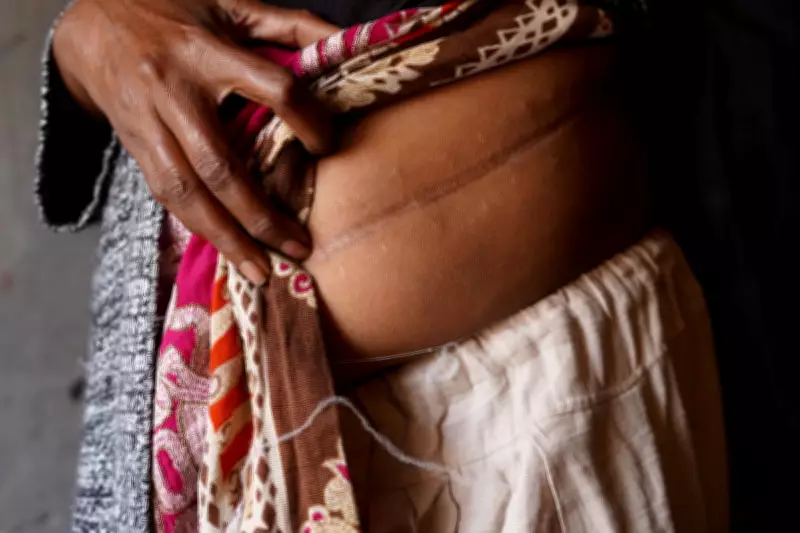
Shafeeq Masih, a brick kiln worker near Lahore, Pakistan, faced a harrowing decision: remain enslaved by an ever-growing debt or sell one of his kidneys for a promised 400,000 rupees (£2,420). The brick kiln owner, who claimed Masih owed 900,000 rupees, harassed and beat him, leaving him with no escape. Masih, responsible for feeding his children and caring for elderly parents, reluctantly agreed when a stranger offered money for his organ.
After being blindfolded and driven away, Masih awoke from the procedure to receive only 300,000 rupees, less than promised. In pain, he returned to the kiln and handed all the money to the owner, hoping for freedom or higher wages. Instead, he was sent back to work. Two years later, Masih reports no change in his debt, but now suffers from chronic pain, reducing his ability to work and deepening his despair.
Widespread Coercion and Human Trafficking
Syed Ayaz Hussain, a lawyer with the Bonded Labour Liberation Front, estimates that thousands of brick kiln workers across Pakistan are coerced into selling their kidneys. He notes that this practice, often involving brick kiln owners who take a cut of the profits, constitutes human trafficking. Workers, driven by debt, poverty, and fear, consent under duress, making their agreement irrelevant under international law due to coercion and vulnerability.

The Guardian interviewed seven victims in a single day, revealing that organ sales have occurred for decades, with payments ranging from 100,000 to 300,000 rupees, often less than promised. One worker sold a kidney 20 years ago, while another did so last summer, highlighting the persistent nature of this crime.
The Trap of Debt Bondage in Brick Kilns
Pakistan's brick kiln industry, employing an estimated four to five million workers, lures impoverished individuals with cash advances against future wages. However, these advances are rarely documented and are manipulated to create insurmountable debts. Workers, many from lower castes or minority groups like Christians, are often illiterate and powerless to challenge falsified accounts.
Wages are as low as 800 rupees (£2.15) per 1,000 bricks, with half deducted for debt repayment. Families, including children as young as six, work long hours, caked in mud and dust. Additional deductions for essentials like electricity force further borrowing, perpetuating a cycle of debt bondage—a contemporary form of slavery recognized by Pakistan's National Commission for Human Rights (NCHR).
Health Impacts and Broken Dreams
Workers who sell kidneys often experience worsened health, like Masih's chronic pain, without escaping debt. Sania Bibi, who started working at age 10, sold a kidney after 40 years in the kilns, hoping to pay off a 3.5 million rupee debt and send her children to school. She received only 100,000 rupees, far less than promised, and remains trapped, her heart broken by the unchanged conditions.
Children inherit these debts, starting work early with little chance of escape. Pollution from brick dust and extreme heat exacerbate respiratory issues, making their lives unbearable. Despite risks, workers take desperate measures, driven by the hope of a better future for their families.
Systemic Abuse and Lack of Accountability
The NCHR reports that threats, intimidation, and violence, particularly against women, enforce this system. Brick kiln owners falsify records and undercount bricks, while workers face assaults to silence dissent. With no legal recourse, many see organ sales as their only option, even as it leaves them physically weakened and financially unchanged.
This crisis underscores urgent needs for regulatory enforcement, worker protections, and international attention to combat debt bondage and organ trafficking in Pakistan's brick kiln industry.