Dubai's Social Media Crackdown: The End of the Influencer Dream?
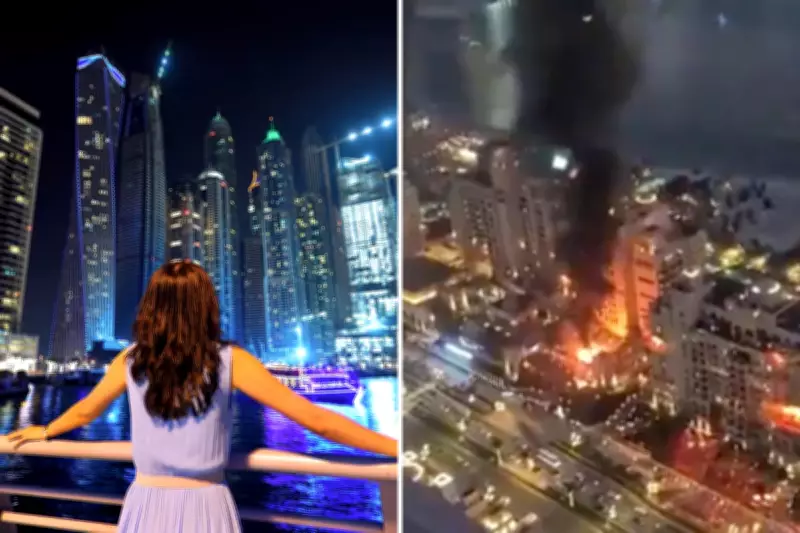
Once hailed as the influencer capital of the world, Dubai's glamorous facade is cracking under the pressure of conflict and censorship. As Iranian missiles strike the United Arab Emirates' most luxurious city, authorities have launched an unprecedented crackdown on social media sharing, arresting residents for posting photos of attacks—even to family members.
Arrest First, Ask Questions Later
Radha Stirling, founder of legal assistance organization Detained in Dubai, describes the situation as "really Orwellian." "We've never seen people rounded up as they have in this current climate," she explains. "Police turn up at your doorstep the next day and say, 'You were around this explosion yesterday. Can I have a look at your phone please?'"
The case making headlines involves three survivors of a drone strike on their apartment building who were allegedly arrested after privately sharing a photo with family to confirm they were alive. "They scroll through your messages, see that you sent a photo to your mum, and suddenly you're arrested," Stirling says, noting these images had already appeared in international media.

Broad Laws and Selective Enforcement
The UAE maintains some of the world's strictest free speech laws, with cyber crime legislation criminalizing content seen to harm the state's reputation. Stirling argues these rules are "broad, grey, subjective and open to any interpretation" by design, giving authorities maximum flexibility to charge people.
A 60-year-old British tourist was among more than 20 people charged under these laws after allegedly filming Iranian missiles over Dubai. "People are grouped together after just interacting with something that's been published by someone else," Stirling notes, where even forwarding a video or interacting with an Instagram post could result in detention.
Influencer Privilege vs. Ordinary Consequences
While ordinary residents face harsh penalties, high-profile influencers receive special treatment. "The problem is these influencers are being nurtured as though they're members of the government," Stirling explains. "They're being treated as government staff with all the privileges."
When top-tier influencers posted videos of explosions, they were likely "asked politely by police to come down to the station, delete that video, and make a replacement video" warning against sharing such content. Meanwhile, the government recently launched an "influencer academy" to attract creators who portray the city glamorously.
Coordinated Messaging and Forced Patriotism
Since missiles began landing in the Emirates, social media platforms have flooded with eerily similar posts featuring near-identical phrases. Videos typically start with "You live in Dubai, aren't you scared?" before cutting to footage of Sheikh Mohammed with the message: "I know who protects us."
The BBC analyzed 129 posts from Dubai-based influencers during the conflict's first days, finding many contained language stressing "stability," "safety," and "strong leadership"—often uploaded within seconds of each other. Stirling notes this mirrors historical government media control, now adapted for the social media generation.
The British Exodus and Continued Attraction
Despite the crackdown, Dubai remains attractive to many. Relocation firm John Mason International Movers reported a 420% increase in British enquiries over five years. Many expats are "willing to overlook" restrictive measures for advantages like sunny weather, no income tax, and perceived safety.
However, some high-profile residents are leaving. The Apprentice star Luisa Zissman, who told followers she had faith in UAE defense, has returned to the UK and is arranging to fly her six horses home—a process estimated to cost £25,000.

Creating Fear and Undermining Trust
Stirling warns the crackdown is creating widespread fear, with authorities sometimes waiting "seven to nine days before turning up at someone's house to arrest them." She hasn't seen enforcement "as widespread and draconian as this," noting most affected are long-term workers and expats who were simply unaware they were breaking rules.
The British Embassy has cautioned against taking or sharing images of missiles, but Stirling says authorities are "still going back and arresting people for things done before those big warnings were put out."
Ultimately, the government's strategy of using influencers to maintain Dubai's pristine image while cracking down on ordinary citizens may backfire. "It usually doesn't work—it actually backfires," Stirling cautions. "I don't think that does very well for the country when you've got people just outright lying that it's totally safe here. No, it's not."