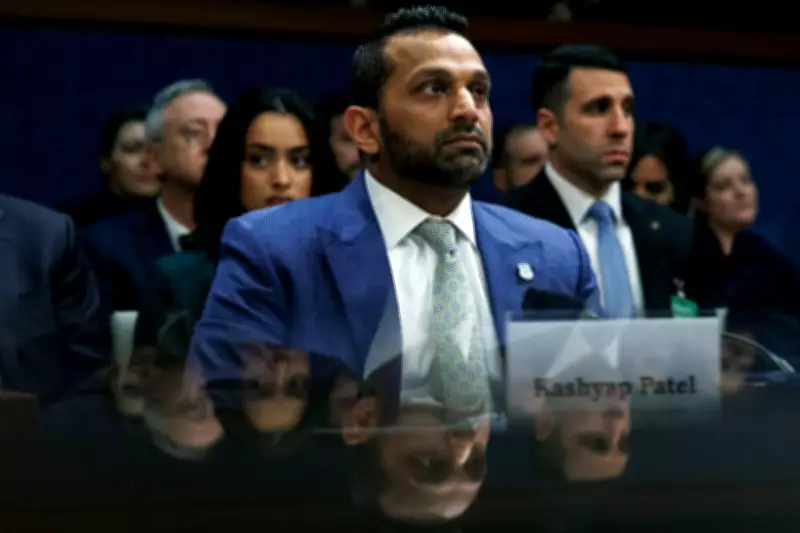
FBI Director Confirms Agency Buys Americans' Data for Surveillance
In a revealing Senate intelligence committee hearing this week, FBI Director Kash Patel admitted under oath that the agency is actively purchasing commercially available data on American citizens. This disclosure highlights how federal authorities can conduct mass surveillance operations without relying on artificial intelligence, despite ongoing debates over AI misuse.
Data Broker Loophole Enables Warrantless Tracking
Federal law enforcement typically requires a warrant to obtain cellphone location data, but a Supreme Court ruling in 2018 did not explicitly prohibit authorities from buying such information. By contracting data brokers, who amass details from apps and online sources, the FBI accesses personal data that would otherwise need judicial approval. Privacy advocates argue this practice circumvents Fourth Amendment protections against unreasonable searches.
The data broker industry, valued at hundreds of billions globally, collects demographics, browsing habits, and locations, often used for marketing but also prone to misuse. In 2019, the New York Times demonstrated how anonymized location data could easily identify individuals, including a senior defense official.

AI and Surveillance Concerns Intensify
As AI technology advances, fears grow over its potential to parse vast datasets for mass surveillance. During a standoff with the Department of Defense, Anthropic CEO Dario Amodei warned that AI could assemble scattered data into comprehensive profiles of citizens' lives. He noted that current laws allow the government to purchase records without warrants, creating a loophole for surveillance.
OpenAI, which signed a contract with the Pentagon after Anthropic's refusal, included a caveat prohibiting intentional domestic surveillance. However, experts question the strength of terms like "intentionally" and "deliberate," suggesting they may not prevent incidental data collection.
Real-World Impacts and Constitutional Debates
The use of commercially acquired data has had tangible consequences. For instance, ICE employed surveillance systems with such data for deportation efforts, and in 2024, a company tracked visits to Planned Parenthood for anti-abortion campaigns. Senator Ron Wyden criticized these practices as an "outrageous end run around the fourth amendment," emphasizing the need for stricter privacy safeguards.
This ongoing issue underscores the tension between national security and civil liberties, as authorities leverage data brokers to surveil citizens at scale, raising urgent questions about constitutional protections in the digital age.