

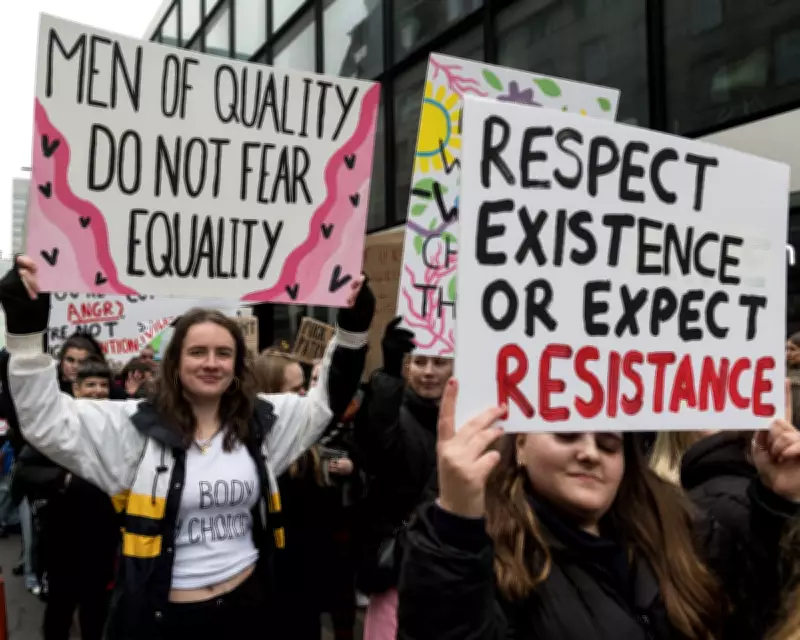
In a striking reversal of conventional wisdom, new international research indicates that younger generations may hold more traditional views on women's rights than their elders. A comprehensive study conducted across 29 nations, including the United Kingdom, has uncovered troubling attitudes among Generation Z men towards gender equality and marital dynamics.
Shocking Statistics on Modern Gender Attitudes
The survey data reveals that approximately one-third of Gen Z men, those born between 1997 and 2012, believe a wife should always obey her husband. A similar proportion asserts that husbands should have the final say in important household decisions. These findings challenge the widespread assumption that each successive generation becomes more socially liberal.
"What century are we living in?" questioned Joan Smith, a journalist and former chair of the mayor of London's Violence Against Women and Girls board. "These views could be a snapshot from the 1970s, but even then, men expressing such opinions in the UK would have been ridiculed."

A Concerning Generational Divide
The research highlights a significant gap not only between genders but between generations. Baby boomers, born between 1946 and 1964, demonstrate markedly more progressive attitudes across various measures of gender equality. This includes perspectives on who should initiate sexual relationships and whether women should appear independent.
Interestingly, Gen Z women and baby boomer women show greater alignment in their views, with overwhelming majorities of both groups rejecting the notion that women should not appear too self-sufficient. This suggests women generally maintain stronger commitments to gender equality than their male counterparts.
Economic Pressures and Traditionalism
Experts suggest that challenging economic conditions may contribute to this attitudinal shift among young men. The oldest Gen Z cohort was approximately eleven years old during the 2008 global financial crisis, experiencing subsequent years of austerity measures. English tuition fees skyrocketed to £9,250 annually by 2017, while the COVID-19 pandemic severely disrupted job markets three years later.
"One possible reaction to hostile economic conditions is to yearn for an idealised past when gender roles were clearly defined," Smith observed. "This nostalgic traditionalism represents bad news for women in the same age group."
The Masculinity Crisis and Online Influences
The survey further indicates an alarming retreat into traditional masculinity among Gen Z men. Forty-three percent agree that "young men should try to be physically tough, even if they're not naturally big." Such rigid gender expectations often extend to their views of women's roles.
This trend may be exacerbated by online environments where Gen Z men are frequently targeted by misogynistic influencers. The digital landscape has created new avenues for spreading regressive gender ideologies to vulnerable young audiences.
From Attitudes to Real-World Consequences
Academic research consistently demonstrates connections between attitudes and behaviour. In the United Kingdom, violence against women has reached epidemic proportions. The fifth anniversary of Sarah Everard's abduction and murder recently highlighted persistent failures in police responses to gender-based violence.
Metropolitan Police Commissioner Sir Mark Rowley acknowledged that many women still lack trust in law enforcement agencies. Misogyny fundamentally drives these crimes, and its prevalence has not emerged in isolation from broader social attitudes.
A Call for Vigilance and Education
While reactionary views currently represent a minority among Gen Z men, the direction of travel remains deeply concerning. Continuous challenge to these damaging stereotypes, coupled with empowering young women to confront them, has never been more crucial.
"Women and girls become easy targets for young men experiencing anger and seeking scapegoats for their low self-esteem," Smith noted. "Harsh economic conditions may provide context, but they never excuse regressive attitudes towards gender equality."






