Georgia Woman Faces Murder Charge Over Alleged Abortion as US Foreign Actions Draw Criticism
In a stark legal development, a 31-year-old woman in Georgia has been charged with murder after allegedly taking medication to terminate a pregnancy. This case emerges as one of the first instances in the state since a 2019 law banned most abortions after approximately six weeks, reflecting a broader national trend of criminalising reproductive choices.
According to court documents, Alexia Moore visited a hospital in December suffering from severe pain, where she disclosed to medical staff that she had taken oxycodone and misoprostol, the latter being a drug commonly used in abortion procedures. She subsequently gave birth to a premature fetus with health complications, which died within hours. Moore was not charged until recently and is currently detained without bond, though many details of her case remain unclear, including the exact gestational age of the fetus.
Broader Context of Abortion Criminalisation in the United States
Since the overturning of Roe v. Wade in 2022, there has been a significant increase in legal actions against individuals seeking abortions. Data from the reproductive justice group Pregnancy Justice indicates that prosecutors initiated at least 412 cases charging pregnant people with pregnancy-related crimes in the two years following the decision. Women in states such as Texas, South Carolina, and Kentucky have similarly faced criminal charges for inducing abortions, underscoring a nationwide crackdown.

Georgia's abortion law, which prohibits terminations after cardiac activity is detected—typically around six weeks of pregnancy—poses significant challenges. Medical professionals note that dating pregnancy from the last menstrual period means many women are unaware they are pregnant within this timeframe, as it often coincides with only a couple of weeks after a missed period. Furthermore, the so-called "heartbeat" used in these laws refers to sporadic electric impulses rather than a fully formed heart, a point that has been highlighted in medical discussions.
Contrast with US Foreign Policy and Civilian Casualties
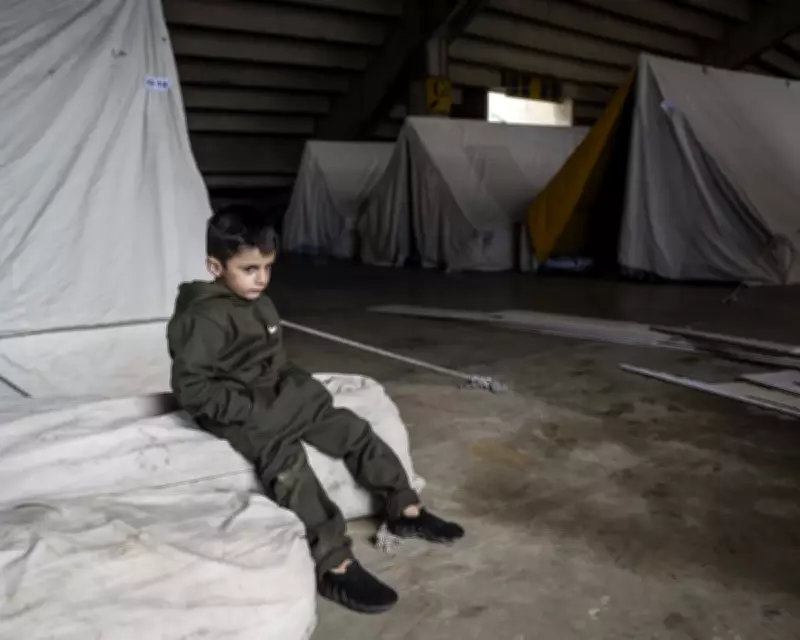
While domestic policies increasingly restrict reproductive freedoms, US foreign actions in the Middle East have come under fire for resulting in high civilian casualties. Reports from Unicef reveal that more than 1,800 children in the region have been killed or injured since the US and Israel engaged in conflict with Iran starting on 28 February. In Lebanon, US-backed Israeli operations are reportedly causing the equivalent of a classroom's worth of child casualties daily, adding to over 20,000 child deaths in Gaza over two years, funded by US taxpayer dollars.
This dichotomy has sparked criticism, with commentators pointing out the irony of a "pro-life" stance domestically while supporting military actions that lead to significant loss of young lives abroad. Former President Donald Trump's dismissive response to reports of US responsibility for bombing an elementary school in Iran—"I'm willing to live with that report"—exemplifies a perceived indifference to foreign civilian suffering.
Implications for Women's Rights and Access to Safe Abortions
The criminalisation of abortion does not reduce the number of procedures but instead forces women into unsafe or illegal options. Privileged individuals may travel abroad for care, while those without resources risk their health and legal repercussions. In Georgia and similar states with restrictive laws, women have minimal time to seek safe and legal terminations, often facing impossible choices: carry a potentially life-threatening pregnancy, bear a child they cannot support, or risk imprisonment.
Efforts to further restrict access include attempts by some Republican-led states to penalise women who travel out-of-state for abortions, tightening the noose on reproductive autonomy. This has led to calls for greater focus on domestic liberation and rights, rather than military interventions abroad.

Additional Political and Social Developments
In related political news, Senate Republicans are pushing the Safeguard American Voter Eligibility Act, which critics argue could disenfranchise married women due to new paperwork requirements. Republican senator Rick Scott dismissed these concerns, stating, "I'm married to a married woman. I have two daughters that are married ... They can figure this out."
Other stories include incidents of men abandoning female partners during hikes, termed "alpine divorce" on social media, and a custody battle involving a Trump associate who allegedly influenced the detention and deportation of his ex-girlfriend. Additionally, Israeli police actions in the West Bank resulted in the deaths of two young Palestinian boys and their parents, raising questions about rules of engagement.
On a lighter note, a "Pints and Ponytails" class teaches fathers how to braid their daughters' hair, and a possum was found hiding among stuffed animals at an Australian airport, highlighting quirky wildlife encounters.