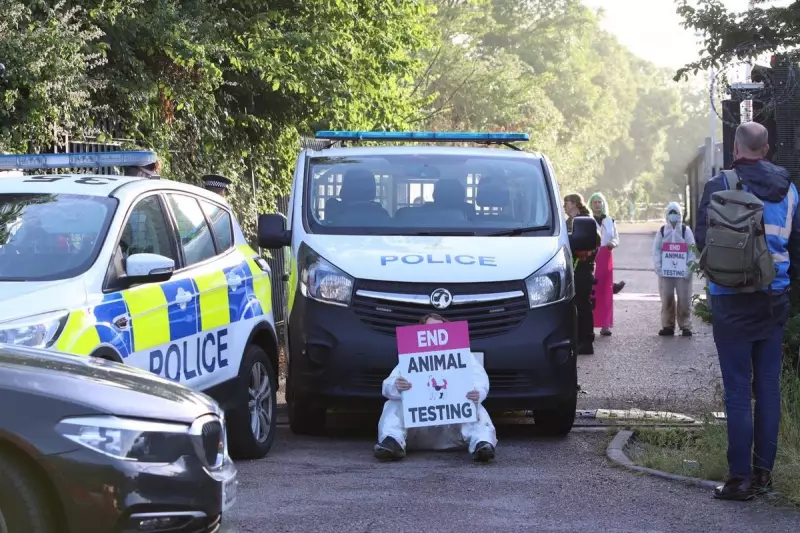
The UK government has passed a controversial new law that effectively criminalises peaceful protests outside animal-testing facilities. The legislation, which categorises such sites as "key national infrastructure", was approved by Parliament on Wednesday 14 January 2026.
New Powers and Severe Penalties
The measure passed with a significant majority of 301 votes to 110. It grants police enhanced powers to manage demonstrations at universities, laboratories, and other locations involved in animal research. Under the new rules, individuals who breach the ban on protests could face severe consequences, including up to a year in prison alongside potential fines.
The Home Office has defended the change, stating it allows law enforcement to respond proportionately to disruptive activity. Officials argue the primary aim is to protect the UK's vital life sciences sector from interference that could hinder scientific and medical progress.

Political Rebellion and Public Outcry
The vote revealed a notable split within the opposition, with 26 Labour MPs rebelling against their party's official position to support the ban. This is a significant shift, as Labour had previously opposed the measure when the Conservative government first attempted to introduce it.
The decision has sparked fierce criticism from a broad coalition of campaigners, free-speech advocates, and celebrities. They collectively condemn the law as a dangerous erosion of democratic principles and the fundamental right to peaceful assembly. Critics argue that classifying non-violent protest as a criminal act sets a dangerous precedent for civil liberties in the UK.
Broader Implications for Protest Rights
This legislation follows other recent government actions to restrict protest methods, such as those used by groups like Animal Rising, which gathered outside the Grand National. The move raises profound questions about the balance between protecting economic interests and upholding democratic freedoms.
Legal experts and human rights organisations are warning that the redefinition of peaceful protest as a threat to key infrastructure could be applied to other sectors in the future, potentially silencing dissent on a wide range of issues. The coming months will likely see legal challenges and continued public debate over the scope of protest rights in Britain.