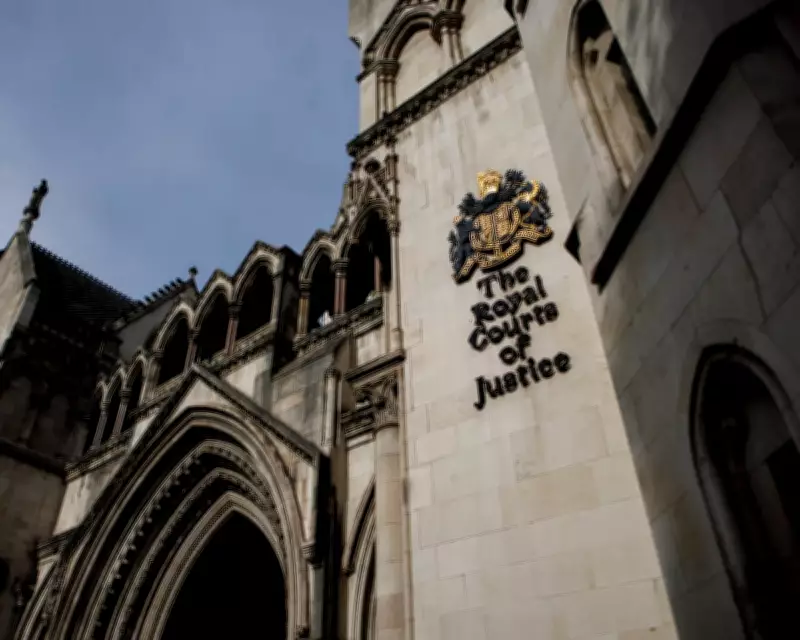
High Court Dismisses Good Law Project Challenge Over Single-Sex Spaces Advice
In a significant legal development, the High Court has rejected a challenge by the Good Law Project (GLP) against interim advice from the Equality and Human Rights Commission (EHRC) regarding single-sex spaces. The ruling, delivered by Mr Justice Swift, found that the GLP lacked standing to bring the case and dismissed arguments that the advice was legally flawed or excluded transgender people from services they had long used.
Background and Court Findings
The interim advice, published by the EHRC shortly after a landmark Supreme Court ruling on biological sex in April, suggested that transgender individuals should be barred from using bathroom and changing facilities aligned with their lived gender. Although later withdrawn from the EHRC website, it sparked controversy and legal action. The GLP, along with two trans people and one intersex person, contended that the advice was rushed and discriminatory, effectively denying access to essential services.
Mr Justice Swift ruled that the GLP did not have the legal standing to pursue the challenge. He also addressed specific claims, noting that while there was scope for a strong argument that allowing a trans woman to use a female toilet does not constitute discrimination against biological men, the law did not view forcing transgender employees to use unisex toilets as less favourable treatment. He stated, up to a point, being the subject of comment by others is a burden that anyone can expect to bear from time to time, and ought not to be a foundation for legal redress.

Reactions and Implications
Dr Mary-Ann Stephenson, chair of the EHRC, welcomed the decision, emphasizing the regulator's role in upholding the Equality Act. This is the second time the way we have done our duty in the wake of the Supreme Court's ruling has been tested in the courts. Both times our actions have been found to be lawful, she said. The ruling has been seen as a boost for campaigners who have expressed frustration over the slow implementation of the Supreme Court ruling across the UK.
Jolyon Maugham, director and founder of the GLP, criticized the judgment, calling it deeply troubling for dismissing evidence of the harms of outing transgender individuals in a transphobic society. The GLP has announced plans to appeal the decision. Meanwhile, Melanie Field, a former civil servant involved in drafting the Equality Act, noted that the judgment failed to provide clarity for employers and service providers, highlighting practical challenges with universal or third spaces.
Broader Context and Future Steps
The High Court decision comes amid ongoing legal battles, such as For Women Scotland's challenge against the Scottish government over trans prisoner housing policies. Maya Forstater of Sex Matters urged the UK government to expedite the EHRC's code of practice for service providers. UK ministers are currently reviewing final guidance from the EHRC, with adjustments being made to balance single-sex spaces with transgender rights, reflecting a shift under Dr Stephenson's leadership to mitigate impacts on businesses.
This ruling underscores the complex interplay between legal interpretations, policy intentions, and societal debates, with calls for clearer government action to address the treatment of transgender people in the UK.