

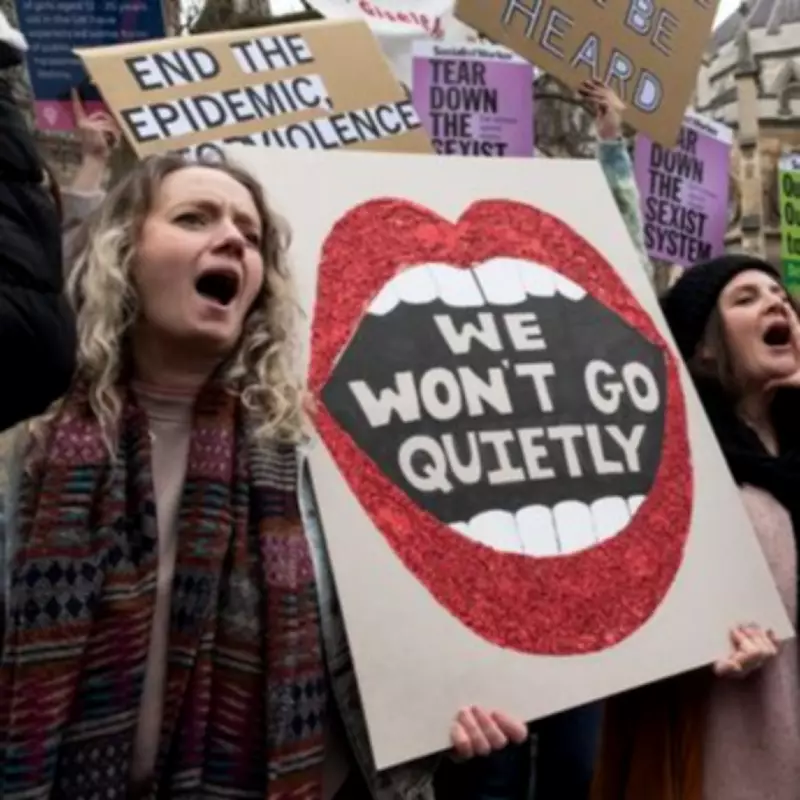
International Women's Day Labelled a Scam by Critics Demanding Action
International Women's Day, often hailed as a celebration of female empowerment, is facing sharp criticism from women who argue it has become a hollow gesture lacking substantive impact. While the day promotes themes of sisterhood and equality, many contend it fails to address the dire realities women continue to face daily.
Corporate Hijacking and Superficial Gestures
The event has increasingly been co-opted by corporations and brands using it for public relations rather than genuine advocacy. Companies boast about hiring women or offer discounts on beauty products, actions that critics describe as patronising and trivialising. This commercialisation detracts from the serious issues at hand, such as financial inequality and safety concerns.
In the UK, the gender pay gap means women effectively worked for free for the first month and a half of 2026, a stark reminder of ongoing economic disparities. The motherhood pay gap further exacerbates this, highlighting systemic barriers that awareness days alone cannot dismantle.

Violence Against Women: A Persistent Crisis
The murder of Sarah Everard by a Metropolitan Police officer five years ago sparked national outrage and promises of reform, yet tangible progress remains elusive. Despite initiatives like the Domestic Abuse Act and commitments to halve violence against women and girls within a decade, funding gaps and systemic failures persist.
Women's charities report a £321 million shortfall in funding for domestic abuse shelters, leaving survivors vulnerable. The Femicide Census reveals that fatal violence against women has not declined since 2009, with one woman killed by a man every three days on average. New technologies, such as smart devices and AI, are being weaponised by abusers, complicating efforts to protect women.
Healthcare Neglect and Maternity Care Failures
Maternity services in the UK are under scrutiny following a damning report that uncovered poor treatment, staff shortages, and racism. Maternal death rates have risen by 20% since 2009-11, reaching 12.8 deaths per 100,000 maternities. Personal accounts from women reveal traumatic experiences, including misdiagnoses, inadequate care during miscarriages, and degrading medical procedures.
One woman shared her ordeal of being forced to undergo a manual vacuum aspiration without proper anaesthesia, describing it as barbaric and agonising. Such stories underscore a healthcare system that often fails to prioritise women's needs, with delays and neglect compounding physical and emotional trauma.
Economic Pressures and the Gender Pay Gap
Young women in the UK grapple with economic challenges that hinder their ability to start families or achieve financial stability. High rents, student loans, and a competitive job market exacerbated by AI make it difficult to save or plan for the future. The gender pay gap remains abysmal, with societal pressures to have children clashing with financial realities.
In France, a government campaign encouraging 29-year-olds to have babies has been met with scepticism, as many women cannot afford such steps amid a cost-of-living crisis. This highlights a global disconnect between policy initiatives and the everyday struggles women face.
Conclusion: A Call for Meaningful Change
While International Women's Day aims to promote gender equality, critics argue it has become a performative event that overlooks urgent issues. From violence and healthcare failures to economic inequality, women demand more than symbolic gestures. Real change requires sustained funding, policy reforms, and a commitment to addressing the root causes of gender disparities, rather than annual celebrations that ring hollow.






