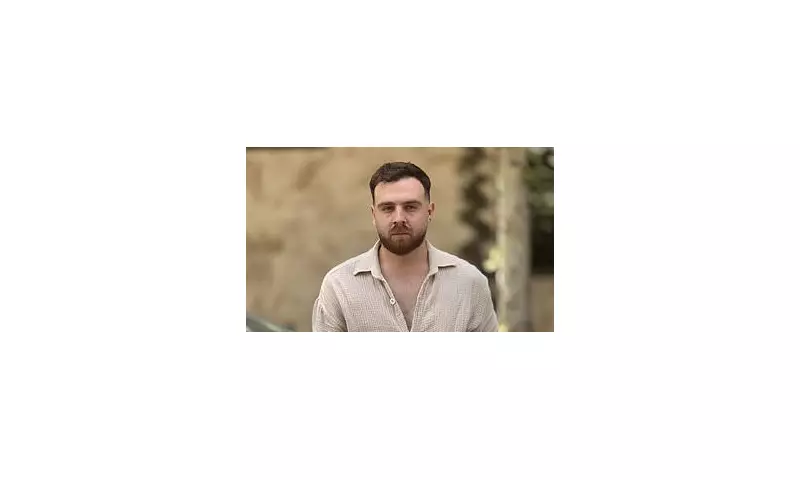
A young Iranian shopkeeper detained during recent anti-government protests remains at 'high risk' of execution and could be facing torture in prison, a leading human rights organisation has warned. This comes despite public claims from Iranian officials that his death sentence has been halted.
A Sentence Postponed, Not Cancelled
Erfan Soltani, aged 26, was due to be executed on Wednesday last week after a shockingly rapid trial and conviction for participating in a protest. Following threats of military action from US President Donald Trump, Iranian authorities stated Soltani would not face the death penalty.
However, the Norway-based Hengaw Organisation for Human Rights has received information from sources close to the Soltani family indicating 'the sentence is just postponed', not withdrawn. Arina Moradi, a representative for Hengaw, told the Daily Mail that the family remains deeply worried for his life, noting that executions in Iran can be carried out swiftly or after years of uncertainty.

Soltani is currently held in Ghezel Hesar prison in Karaj, a facility where Moradi said 'torture is very possible'. She explained that forced confessions, often extracted under duress, are routinely used by authorities to justify sentences even if later retracted.
A Wider Crackdown and Mounting Casualties
Soltani's case is a single snapshot of a much broader and deadly state response. According to the US-based Human Rights Activists News Agency (HRANA), the death toll from the recent unrest currently stands at 2,677 people. This figure includes 2,478 protesters and 163 individuals affiliated with the government.
The scale of the suppression is staggering:
- 19,097 people have been detained.
- 2,677 people are reported to have sustained severe injuries.
- These numbers far exceed casualties from previous bouts of unrest in Iran.
Moradi emphasised that families of victims are being forced to pay to retrieve their loved ones' bodies. Refusal can lead to pressure to make false confessions on state television, claiming their children were killed by protesters or were pro-government supporters.
International Pressure and a Fragile Calm
The protests, which erupted in late December over soaring inflation, spiralled into one of the most significant challenges to Iran's clerical establishment in years. The regime responded with a severe internet blackout, raids on homes to confiscate satellites, and a heavy military presence in cities.
While US President Trump stated he had been told killings had halted, the White House clarified it is monitoring the situation and warned of 'grave consequences' if the crackdown's violence continues. Diplomacy from US allies like Saudi Arabia and Qatar is understood to have helped avert immediate American military action.
For now, the streets appear quieter. Residents of Tehran and other cities report a heavy security presence and drones overhead, with Hengaw confirming no major protest gatherings since Sunday. However, the underlying tensions remain acute, and the judicial threat to thousands of detainees like Erfan Soltani persists.
The Iranian judiciary now states Soltani is charged with 'colluding against internal security and propaganda against the regime', claiming the death penalty does not apply to such charges if confirmed by a court. Yet, for his family and human rights observers, the fear of his execution being carried out at any moment remains a terrifying reality.