Iranian Shopkeeper Freed on Bail After Facing Execution Over Protest Involvement
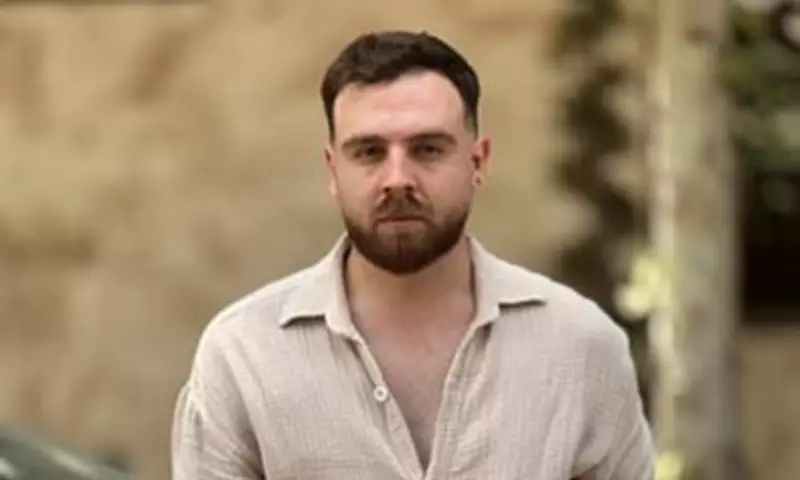
An Iranian shopkeeper who was detained and faced potential execution for participating in anti-regime demonstrations has been released on bail, marking a significant development in a case that has drawn international attention. Erfan Soltani, aged 26, became a prominent symbol of resistance against the Islamic Republic's harsh crackdown as protests swept across Iran late last year.
Arrest and Charges in a Climate of Repression
Mr Soltani was arrested on January 8 on charges of propaganda against Iran's religious system and acting against national security, according to statements from the nation's judiciary. He spent three weeks in Ghezel Hesar prison, located in Karaj outside Tehran, which is noted as the largest state prison in Iran and infamous for its notoriously harsh conditions.
His lawyer, Amir Mousakhani, confirmed on Sunday that his client had been released the previous day. Mr Mousakhani added that the business owner has reportedly received all his belongings, including his cellphone, and a bail worth approximately £11,000 was paid to secure his release.

Conflicting Reports Over Death Sentence and International Pressure
The case took a grave turn when reports emerged that Mr Soltani was set to be the first person executed as part of a ruthless crackdown on dissent by Iranian authorities. The US State Department highlighted the case on its Persian-language X account, noting he had been sentenced to death, and Washington warned the Islamic Republic it could face military measures if any anti-government demonstrators were executed.
However, Tehran has denied these claims, stating that Mr Soltani was never sentenced to death and that the charges against him did not carry the death penalty. Despite this, human rights groups like the Hengaw Organisation for Human Rights warned that he remained in danger, with sources close to the Soltani family telling the Norway-based rights group prior to his release that "the sentence is just postponed, not withdrawn."
Broader Context of Protests and Regional Tensions
The demonstrations in Iran began in late December as expressions of discontent over the high cost of living but evolved into a mass anti-government movement. Iranian leaders have described these as "riots" stoked by the United States and Israel. In a recent address, Supreme Leader Ayatollah Ali Khamenei compared the protests to "a coup" and accused demonstrators of burning the Koran, hardening his position after earlier acknowledging some legitimate economic grievances.
Amid ongoing tensions in the Strait of Hormuz, the Ayatollah warned that a regional war could erupt if the US attacked Iran. This comes as the US has been building up its forces in the waterway, with President Donald Trump stating that action could be taken with "speed and violence" if Iran continued to suppress protests violently. Recent reports of planned Iranian naval drills in the area led to warnings from the US, though the Iranian Revolutionary Guard downplayed these as inaccurate media reporting.
Human Rights Concerns and Prison Conditions
Arina Moradi, speaking to the Daily Mail, expressed ongoing worries about Mr Soltani's life, noting that executions can happen quickly after sentencing or be delayed unpredictably. She highlighted that conditions at Ghezel Hesar prison are harsh, with torture being "very possible" and many political prisoners facing torture and forced confessions.
Since the protests began, nearly 50,000 people have been detained, and at least 6,713 are thought to have been killed, the vast majority being protesters, according to the Human Rights Activists News Agency. This underscores the severe human rights situation in Iran amid the government's crackdown.
Diplomatic Standoff and Future Uncertainties
The release of Erfan Soltani occurs against a backdrop of escalating diplomatic tensions. Ayatollah Khamenei's direct threats of a regional war if the US attacks, and President Trump's ambiguous statements about negotiations and military presence, add to the uncertainty. Trump, when asked about his "final decision" on Iran, mentioned "very big, powerful ships" heading to the region but hoped for a negotiated deal on nuclear weapons.

This case highlights the complex interplay between domestic repression, international pressure, and geopolitical maneuvering in the Middle East, with Mr Soltani's fate serving as a microcosm of the broader struggles for human rights and political freedom in Iran.