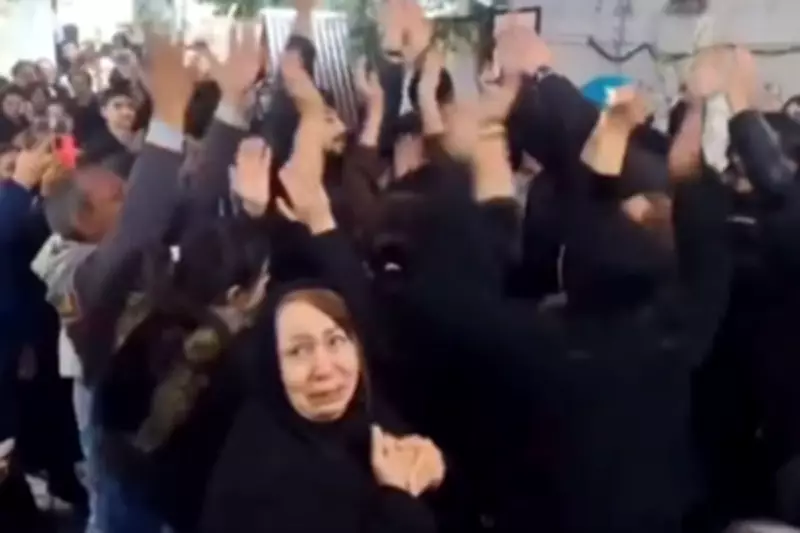
In cemeteries throughout Iran, a remarkable transformation is unfolding, where traditional mourning rituals are being reimagined through dance and song. Where once solemnity prevailed, with black attire and subdued prayers, families now gather to sway, clap, and sing beside fresh graves. This shift is not merely a fleeting trend but a profound cultural phenomenon that signals a rewriting of how a nation processes grief and confronts fear.
A Break from Tradition
Historically, Iranian funerals have been characterised by gravity and restraint, shaped by religious customs and decades of political repression. Mourners would typically fold inward, containing their emotions within prescribed boundaries. However, recent observations reveal a stark contrast: movements that begin hesitantly with small steps in the dirt evolve into defiant, radiant displays of collective emotion. To outsiders, this might appear as denial, but psychologists argue it represents a deeper, systemic change in the social contract of grief.
The Psychological Underpinnings
Under chronic authoritarian pressure, Iranians have long learned to regulate their expressions, anticipating risks and shrinking their gestures to stay safe. This emotional contraction becomes embodied over time, narrowing the range of acceptable public behaviour. Yet, when loss becomes collective—such as through widespread deaths across cities and generations—the old rules of containment begin to strain. Rituals that once sufficed now feel inadequate for the magnitude of shared sorrow.

Grief is inherently cultural, dictating how we mourn through attire, vocalisations, and duration. In Iran, the traditional sombre approach is giving way to emergent behaviours like dancing, which are not centrally coordinated but arise spontaneously. This shift occurs as collective emotion moves through society during periods of rupture, blurring the line between personal and communal loss. A single video of a mother dancing at her son's grave can resonate widely, signalling new possibilities and inspiring others to follow suit.
The Biological and Social Dimensions
Trauma often constricts the nervous system, leading to frozen responses and shortened breath, especially in authoritarian contexts where public emotion is risky. Dance, however, expands the body, requiring rhythm, coordination, and deep breathing. Research on collective movement, such as marching or singing, shows that synchronised actions strengthen social bonds and restore a sense of agency. In cemeteries, where death imposes stillness, movement becomes a powerful symbol of continuity, community resilience, and defiance.
There is a quiet defiance in this joy, as authoritarian systems rely on emotional control to maintain order. Grief, when silent and contained, fits neatly into this structure, but embodied mourning—like rhythmic dancing—shifts the emotional contract. Cemeteries, as sacred spaces with moral authority independent of the state, become sites where families reclaim narrative control, reframing the meaning of the deceased without diminishing the seriousness of death.
Widening the Range of Possibility
This phenomenon challenges anticipatory obedience, the self-regulation that keeps individuals small under threat. By gathering publicly and moving in unsanctioned ways, Iranians test these boundaries, prompting a recalibration: with so much already lost, what more is there to fear? As people begin to believe their symbolic actions matter, paralysis gives way to motion, widening society's range of what feels possible.
Dancing at graves does not lighten the burden of death but may indicate that fear no longer dictates the full spectrum of human expression. Instead of narrowing a nation, grief is expanding it, fostering a collective resilience that transcends traditional mourning. Dr Bahareh Sahebi, a clinical psychologist and professor at Northwestern University, highlights how this behaviour reflects a societal reorganization in real time, driven by overwhelming loss and a desire for emotional liberation.