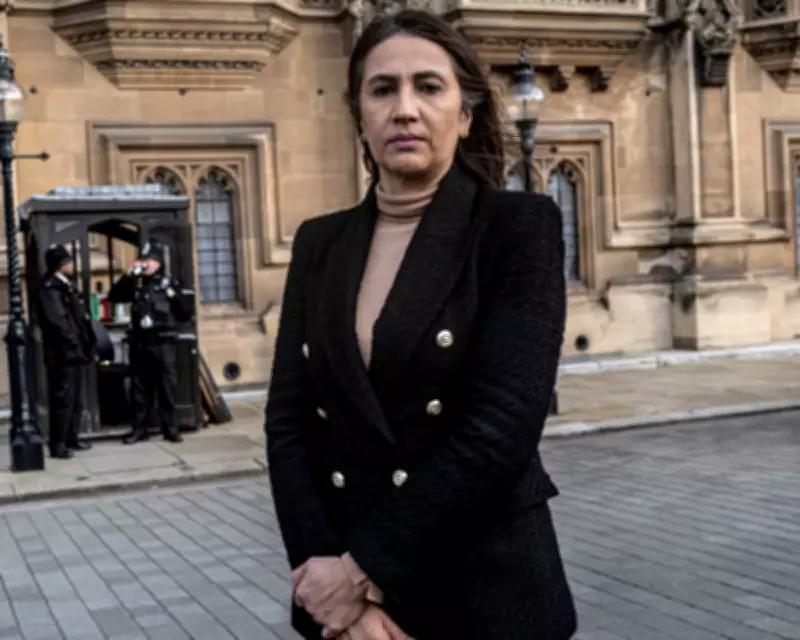
Government Faces Mounting Pressure Over Islamophobia Definition
Shaista Gohir, a cross-bench peer and head of the Muslim Women's Network, has launched a scathing criticism of Downing Street's handling of Islamophobia. This comes after official government statistics revealed a disturbing nearly 20% increase in hate crimes targeting Muslims during 2025. Gohir, who participated in a government-established working group on anti-Muslim hatred, argues that the refusal to adopt a clear definition of anti-Muslim hostility sends a dangerous message to British Muslim communities.
"Your Safety Doesn't Matter" Warning
"Failing to adopt a definition of anti-Muslim hostility would signal to British Muslims that their safety does not matter," Gohir stated emphatically. She highlighted that every group deserves protection, and the request stems directly from escalating abuse levels. "We've got an election in about three years' time and it's just going to get worse," she added, placing blame squarely on Number 10 for the current political climate.
The working group, chaired by former Attorney General Dominic Grieve KC, submitted a proposal in October 2025 for a non-statutory definition of anti-Muslim hostility. This definition aims to clarify unacceptable treatment, prejudice, and discrimination against Muslims while aligning with existing legal frameworks. Gohir insists this definition would not infringe upon freedom of speech but would instead provide police and other institutions with a crucial tool for assessing incidents and encouraging reporting.

Deepening Crisis of Belonging
Gohir's intervention coincides with alarming research from Muslim Census's "The Crisis of Belonging" report. The survey of 4,800 British Muslims, conducted with Islamic Relief UK and the National Zakat Foundation, found only 8.2% felt positive about their future in the UK, while 62.7% expressed negativity. Just over half (51.9%) felt they "strongly belong to the UK", a dramatic drop from 93% reported a decade ago in Ipsos Mori research.
Key concerns identified include:
- Rising Islamophobia and hostile political rhetoric
- Feeling unwelcome in their own country
- Job security and economic pressures
- Increasing online, verbal, and physical abuse
A separate Commons women and equalities committee report confirmed Muslim women face disproportionate hostility, with abuse corroding both individual lives and community cohesion.
Opposition and Legal Concerns
The proposed definition faces significant opposition from various quarters. The Equality and Human Rights Commission (EHRC) has strongly opposed adoption, arguing it risks "breaking the law" by creating confusion with existing legal definitions. An EHRC spokesperson questioned the necessity, stating: "Legal protections against discrimination and hate crime already exist, so it is unclear what role a new definition would play."
Conservative thinktank Policy Exchange warns the definition could be weaponized to undermine counter-terrorism laws, immigration rules, and foreign policy "without democratic consent." Other faith groups express concerns about limiting freedom of expression and criticism of Islam.
Historical Context and Political Divisions
This debate occurs against a backdrop of political division. In 2019, Labour adopted a working definition from the all-party parliamentary group on British Muslims, describing Islamophobia as "rooted in racism." This definition gained acceptance from the Liberal Democrats, Scottish Conservatives, and numerous organizations. However, the Westminster government and Conservative party declined to follow suit, arguing the definition lacked broad acceptance and required further consideration.
Gohir highlights what she sees as unequal treatment, noting: "When the antisemitism definition was put forward and endorsed by the government and endorsed by many organizations, [there was] not a peep from anyone." The government adopted the International Holocaust Remembrance Alliance's antisemitism definition in 2016, which all main UK parties subsequently embraced.

Statistical Reality and Political Pressure
The urgency is underscored by hard statistics. Government data shows anti-Muslim hate crimes in England and Wales rose from 2,690 offences to 3,199 in the twelve months to March 2025. With approximately 3.9 million people identifying as Muslim in England and Wales, this represents a significant community under threat.
Last year, over three dozen Labour and independent MPs wrote to Communities Secretary Steve Reed urging adoption of an Islamophobia definition. Gohir warns the Labour government faces a critical test: "If they do not adopt a definition the Labour government will be sending a message to the Muslim communities that you don't matter, your safety does not matter, Muslims do not matter."
The proposed definition now awaits potential public consultation, while British Muslims await signals about whether their safety truly matters to those in power.