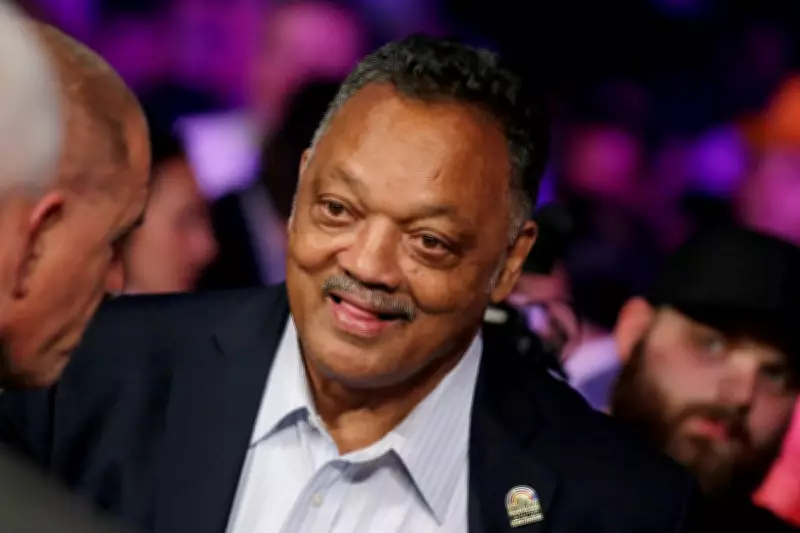
Rev. Jesse Jackson's Pivotal Role in Popularising 'African American'
The Rev. Jesse Jackson, who passed away on Tuesday at the age of 84, played a crucial role in championing the widespread adoption of the term "African American" as a means to reclaim cultural identity and historical context. A protege of the Rev. Dr. Martin Luther King Jr., Jackson joined forces with NAACP members and other civil rights leaders in the late 1980s to advocate for this linguistic shift, aiming to replace outdated and often pejorative terms like "colored" and "blacks" with a designation that better reflected the community's ancestral roots.
A Movement for Dignity and Historical Integrity
Jackson emphasised that the term "African American" provided "cultural integrity" and placed Black Americans in their proper historical framework. He argued that every ethnic group in the United States deserved a reference to its historical and cultural base, and this change was essential for fostering self-esteem and pride within the Black community. Over his lifetime, Jackson was a two-time presidential candidate and a leading figure in the Civil Rights Movement, advocating tirelessly for voting rights, jobs, and educational opportunities for poor and underrepresented populations.
Historical Context and Community Support
Although the term "African American" had been used by scholars as early as 1782, as evidenced by a pamphlet published in Philadelphia, it did not enter common vernacular until Jackson and the NAACP drummed up significant community support. In December 1988, Jackson convened a meeting of 75 Black organisations, including fraternities, sororities, and advocacy groups, where there was an "overwhelming consensus" in favour of adopting the term. This grassroots effort led to quick adoption in school districts in cities like Chicago and Atlanta, where it was incorporated into curricula.

Influence from Other Minority Groups
Jackson drew inspiration from similar movements within other minority communities that were also seeking to change how they were labelled. In the 1990s, debates over terms like "Latino" and "Hispanic" were emerging, and Asian Americans had successfully lobbied the U.S. Census Bureau to include Native Hawaiians and other Pacific Islanders in the 1990 census. While the popularisation of "African American" came too late for that census, the agency issued guidance acknowledging it as part of the "Black or Negro" category.
Societal Impact and Ongoing Debates
Sociologist Walter Allen, in a January 1989 article in the New York Times, described the adoption of the term as "a significant psychological and cultural turning point." Today, "Black" and "African American" are often used interchangeably in the U.S., though "Black" is generally viewed as more inclusive, encompassing people from Latin America and the Caribbean. Critics of the term "African American" argue that it can imply a modern, personal link to Africa that may not align with individual lived experiences or that it places a modifier on American identity.
Jackson's legacy in this linguistic evolution underscores his broader commitment to amplifying Black pride and cultural recognition, leaving a lasting impact on American society and identity discourse.