

Judge Indicates He Might Shut Down Trump's $400 Million White House Ballroom Plan
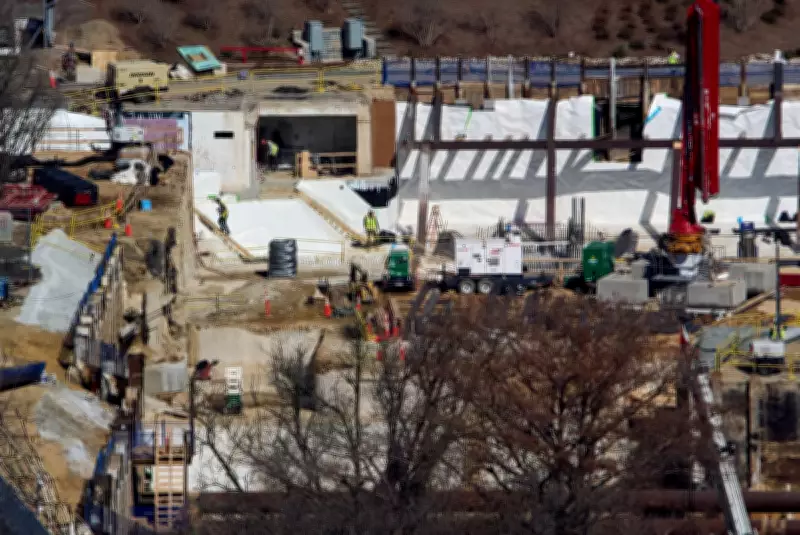
A federal judge has strongly criticised former President Donald Trump's demolition of the White House's historic East Wing and his ambitious plan to construct a lavish $400 million ballroom in its place. Judge Richard Leon described the actions as "brazen" during a recent court hearing and suggested he may terminate the controversial project by the end of March.
'I'm Struggling to See This as an Alteration'
During Tuesday's hearing in Washington DC, Judge Leon expressed significant doubts about the Trump administration's legal justifications for the project. "I'm struggling to see this as an 'alteration'," Leon stated, referring to arguments made by White House lawyers who claim the president does not require congressional approval for the construction work.
The hearing was part of a lawsuit brought by the National Trust for Historic Preservation, which seeks to halt construction until proper congressional approval and independent reviews are obtained. The project began with the demolition of the East Wing in October 2025, with Trump aiming for completion by 2028.

Legal Battles and Shifting Arguments
White House attorneys have presented multiple defenses for the 90,000-square-foot ballroom project, including:
- National security requirements for enhanced facilities
- Congressional allocations for presidential residence maintenance
- Exemption from congressional scrutiny due to private funding sources
However, Judge Leon noted the administration's "shifting theories" and "shifting dynamics" throughout the legal proceedings. He emphasized there was "no track record" of the administration authentically following traditional approval processes for such significant alterations to the historic property.
Controversial Approval Process
The project's approval process has been particularly contentious. In October 2025, Trump dismissed all six members of the independent US Commission of Fine Arts responsible for reviewing the ballroom plan, replacing them with handpicked designees who gave unanimous consent last month.
Meanwhile, the National Capital Planning Commission, another federal body reviewing the project, recently postponed its approval vote to April, citing the need to assess "a large amount of public input" regarding the controversial construction.
Preservationists' Legal Challenge
Thaddeus Heuer, attorney for the National Trust for Historic Preservation, accused the Trump administration of creating a "monthslong merry-go-round ride" regarding responsibility and authority over the project. He argued this strategy deliberately delayed legal proceedings until construction became difficult to stop.
"What they can't do here is have it both ways," Heuer stated during the hearing. He further suggested the administration had "forgotten the proverbial first law of holes... when you find yourself in one, stop digging."
The White House as National Symbol
Judge Leon emphasized the unique status of the White House during proceedings, calling it "a special place" and "an iconic symbol of this nation." He reminded participants that presidents serve as stewards, not owners, of the historic property, suggesting Trump's private ambitions should not override this fundamental principle.
The judge previously ruled against the preservation trust last month on procedural grounds, allowing construction to continue temporarily. However, he permitted the filing of an amended complaint that he is currently considering. Justice Department attorneys have urged Leon to dismiss the case entirely, arguing "the trust should not even be afforded another try."
Historical Precedents and Future Implications
During Tuesday's hearing, Leon appeared skeptical of comparisons to previous presidential alterations, such as Gerald Ford's installation of an outdoor swimming pool in 1975. He suggested the scale and nature of Trump's ballroom project represented a fundamentally different category of change to the historic property.

In his February order, Leon acknowledged that his eventual decision would likely face appeals regardless of outcome, noting he saw the case "squarely" as Supreme Court territory. The judge is expected to rule on the preservationists' lawsuit by March 31st, potentially determining the fate of the controversial $400 million ballroom project.





