US Justice Department Drops Charges Against Veteran Who Burned Flag in Protest
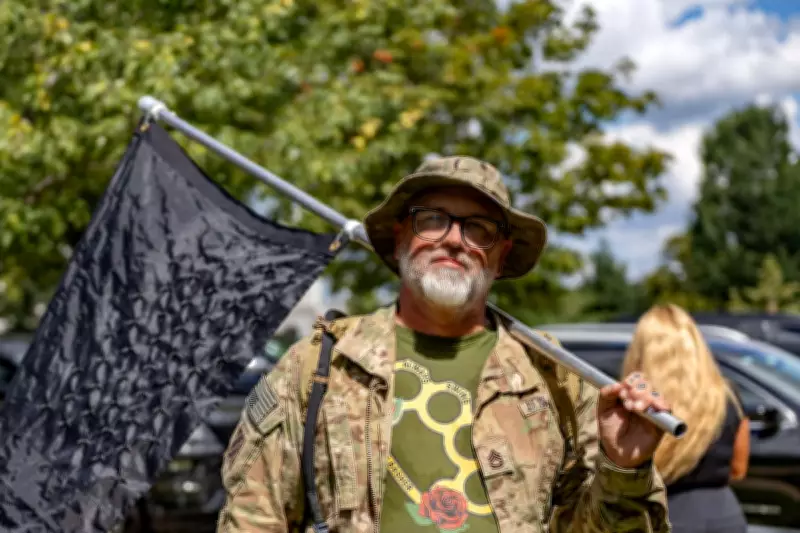
The United States Department of Justice has moved to dismiss all charges against Jan "Jay" Carey, a 55-year-old military combat veteran who set fire to an American flag in a public protest near the White House. This decision comes after Carey's arrest in August for burning the flag in Lafayette Square, Washington DC, on the same day that former President Donald Trump signed an executive order aimed at cracking down on such acts.
Protest Against Executive Order
Carey, who served in Iraq, Bosnia, and Afghanistan, ignited the flag as a direct response to Trump's order, which called for the vigorous prosecution of flag burners. "I'm burning this flag as a protest to that illegal fascist president that sits in that house," Carey declared to onlookers before his prompt arrest by police. His actions were intended to challenge what he described as an "illegal order" that he believed violated constitutional rights.
Legal Battle and First Amendment Rights
The justice department's decision to drop the case was made just days before a Monday deadline for prosecutors to respond to claims from Carey's lawyers. They argued that the prosecution was an unwarranted attempt to curtail his First Amendment rights, which include freedom of speech. Mara Verheyden-Hilliard, Carey's pro bono lawyer, stated, "This is a very significant victory for not only the First Amendment rights of Mr. Carey but the rights of all Americans to stand up and speak out on issues that they care about without being targeted for punishment by the justice department."

Verheyden-Hilliard further asserted that Carey had been prosecuted "at the whims and the directives of a president who has said that he disfavors a particular viewpoint," highlighting concerns over political influence in legal matters.
Historical Context and Constitutional Protections
Burning the US flag has been considered protected speech under the Constitution since a landmark 1989 Supreme Court ruling. However, Trump's executive order, directed at then-Attorney General Pam Bondi, argued that flag burning could incite violence and described it as "a statement of contempt, hostility, and violence against our nation." The order emphasized that such actions might spur riots and undermine national unity.
Despite this, Carey maintained that his protest was a necessary stand for constitutional principles. "This was a direct protest about an illegal order that President Trump tried to put in place," he explained. "I did not do this just for myself, but for everyone who believes in the constitution and the protections for all that it provides."
Implications and Broader Significance
The dismissal of charges against Carey underscores ongoing debates over free speech, executive power, and the limits of protest in the United States. It serves as a reminder of the enduring protections afforded by the First Amendment, even in the face of political pressures. This case also highlights the role of veterans and activists in challenging governmental actions they perceive as unconstitutional, reinforcing the importance of legal advocacy in safeguarding civil liberties.
As the justice department did not provide an explanation for dropping the case, it leaves open questions about the future enforcement of similar executive orders and the balance between national security concerns and individual rights. The outcome is seen by many as a victory for free expression and a setback for attempts to criminalize symbolic acts of dissent.