Proposed Police Scotland Guidelines Spark Controversy Over Gender Identity and Searches
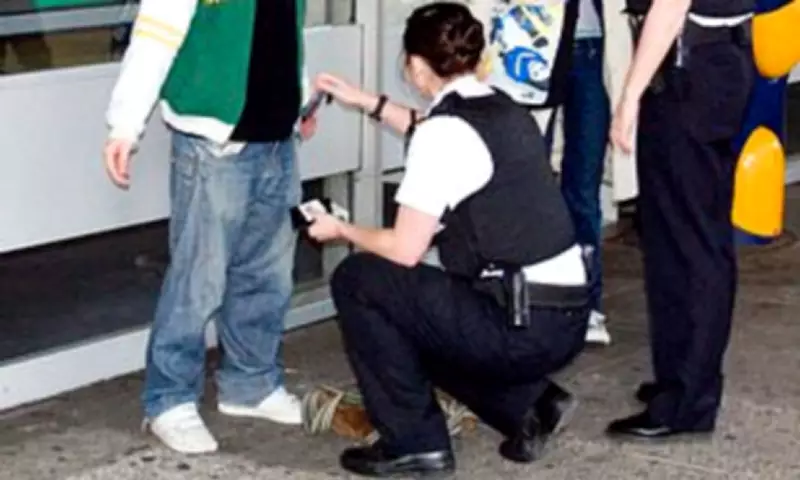
Male suspects who identify as female will be permitted to request searches by a woman police officer under newly proposed regulations in Scotland. A draft code of practice for stop and search procedures explicitly states this accommodation should be granted when it is deemed 'operationally feasible' by the authorities.
Supreme Court Ruling Versus Proposed Guidelines
This development comes despite a significant Supreme Court ruling that clarified the terms 'man', 'woman', and 'sex' within the Equality Act 2010 refer specifically to biological sex rather than an individual's chosen gender identity. The draft code, published by Justice Secretary Angela Constance, appears to challenge this legal interpretation even as Police Scotland faces increasing pressure to revise their operational procedures.
The consultation document for stop and search guidelines specifies that when a detainee's gender identity 'differs from their biological sex (whether or not they possess a gender recognition certificate), and the detainee expresses a preference to be searched by a constable of the same gender identity, the police service should, if operationally feasible, identify an appropriate and consenting constable to conduct the search.'

Safeguards and Officer Protections
The proposed framework includes several important safeguards. Searches conducted by constables of the opposite biological sex 'require written consent from the detainee, authorization from a senior constable of inspector rank or higher, and consent from the constable performing the search.'
Furthermore, officers 'retain the right to decline participation in the search of a transgender detainee.' The code emphasizes that 'this decision must be respected and constables will not face any career detriment as a result of such a refusal.'
The guidelines outline contingency procedures: 'If no constable of the requested opposite sex is currently available to conduct the search, the detainee will be supervised until a consenting constable is identified. If no such officer can be located within a reasonable timeframe, or if operational risk is deemed excessive, the search will proceed with a constable of the same biological sex as the detainee.'
Political and Public Reactions
Scottish Conservative equalities spokesperson Tess White criticized the proposals, stating: 'This demonstrates that the SNP's extreme brand of gender ideology continues to dominate Scotland's public sector. It is simply common sense that a biological man should never be able to demand that a female officer searches them. These proposed guidelines directly contradict the Supreme Court's ruling. John Swinney must intervene, reject these changes, and guarantee all public bodies will adhere to the law.'
The guidelines maintain specific provisions for more invasive procedures, noting that strip and intimate searches must be 'conducted by, or in the presence of, constables of the same biological sex as the detainee being searched.'
Context of Ongoing Controversies
Police Scotland has found itself at the center of multiple controversies regarding transgender issues. In September, during a rally outside the Scottish Parliament, Susan Smith of women's rights organization For Women Scotland was accused of damaging an umbrella belonging to trans activist counter-protester Tom Harlow. Public outcry eventually led the force to apologize and confirm no criminal offense had occurred.
Defending her officers involved in November incidents, Chief Constable Jo Farrell acknowledged: 'I recognize our officers are having to make difficult decisions in environments which are complex and challenging to navigate.'
Official Justification and Consultation Process
Justice Secretary Angela Constance defended the proposed changes, stating: 'Stop and search powers remain essential tools for police to combat crime and ensure public safety, provided they are exercised lawfully, proportionately, and with respect for individual dignity and rights. The revised code aims to enhance clarity, transparency, and safeguarding while strengthening protections for children and vulnerable individuals, with clearer guidance on steps officers should take before, during, and after searches.'

Constance emphasized: 'The consultation represents an opportunity to listen, reflect, and strengthen public trust. I encourage everyone with an interest in justice, equality, and community safety to participate. Their perspectives will help ensure the code remains robust, fair, and future-proof—supporting effective policing while upholding the rights and freedoms that define our society.'
The public consultation period now provides citizens and stakeholders with an opportunity to voice their opinions on these potentially transformative policing guidelines before any final implementation decisions are made.