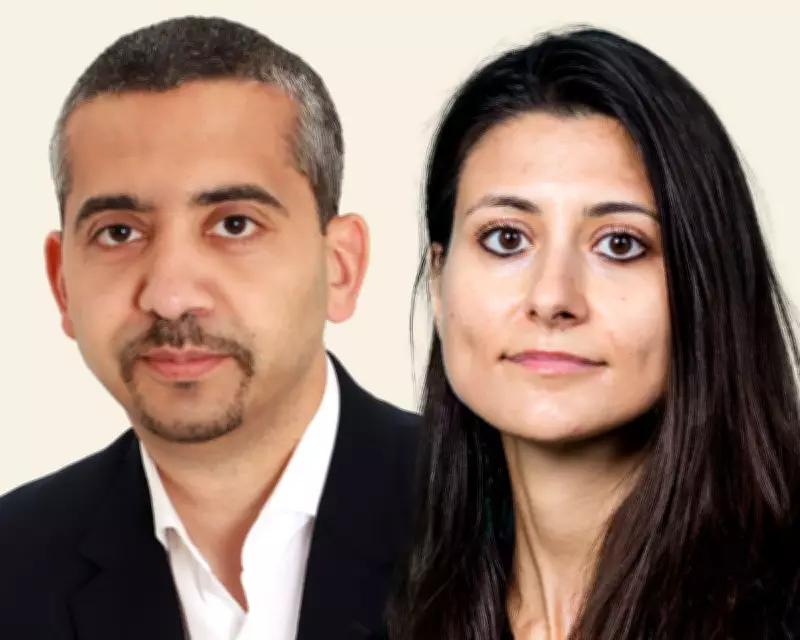
The Assault on Freedom: A Deep Dive with Mehdi Hasan and Arwa Mahdawi
In a compelling Guardian Live event held on March 12, 2026, prominent journalists Mehdi Hasan and Arwa Mahdawi engaged in a critical discussion on the growing threats to freedom across the globe. The conversation delved into various dimensions of this assault, highlighting how political, technological, and social forces are converging to undermine democratic values and human rights.
Political Repression and Authoritarian Trends
Mehdi Hasan opened the dialogue by addressing the rise of authoritarian regimes and their impact on freedom. He noted that in many countries, governments are increasingly using legal and extralegal means to suppress dissent, targeting activists, journalists, and opposition groups. Hasan emphasized that this trend is not confined to any single region but is a global phenomenon, with examples from Europe to Asia and beyond.
Arwa Mahdawi expanded on this by discussing the role of populist movements in eroding freedom. She argued that populist leaders often exploit public fears to justify crackdowns on civil liberties, framing such actions as necessary for national security or cultural preservation. Mahdawi pointed out that this rhetoric can lead to the normalization of oppressive policies, making it harder for citizens to resist.

Digital Surveillance and Privacy Erosion
The discussion then shifted to the technological aspects of the assault on freedom. Mehdi Hasan highlighted how advancements in digital surveillance are enabling unprecedented levels of monitoring by both state and corporate actors. He cited cases where governments use facial recognition, data mining, and other tools to track individuals, often without adequate oversight or consent.
Arwa Mahdawi added that this surveillance extends beyond borders, with global tech companies collecting vast amounts of personal data. She warned that this erosion of privacy not only stifles free expression but also creates a chilling effect, where people self-censor out of fear of being watched. Mahdawi called for stronger regulations to protect digital rights and hold powerful entities accountable.
Media Censorship and Information Control
Another key topic was the role of media in the assault on freedom. Mehdi Hasan discussed how many governments are tightening control over news outlets, either through direct censorship, ownership manipulation, or legal harassment. He noted that this limits the public's access to diverse perspectives and undermines the watchdog function of journalism.
Arwa Mahdawi focused on the spread of disinformation and its impact on freedom. She explained that false narratives, often propagated by state-backed actors or partisan groups, can distort public discourse and polarize societies. Mahdawi stressed the importance of independent media and fact-checking initiatives in combating this trend, but acknowledged the challenges they face in an increasingly hostile environment.
Grassroots Resistance and Future Outlook
Despite the grim picture, both speakers highlighted examples of grassroots resistance and hope for the future. Mehdi Hasan pointed to movements around the world where citizens are organizing to defend their freedoms, using social media and other platforms to amplify their voices. He argued that solidarity across borders is crucial in this fight.
Arwa Mahdawi concluded by emphasizing the need for collective action and vigilance. She urged audiences to stay informed, support independent journalism, and engage in civic activities to protect democratic institutions. The event ended with a call to recognize that freedom is not a given but must be actively defended in the face of ongoing assaults.