

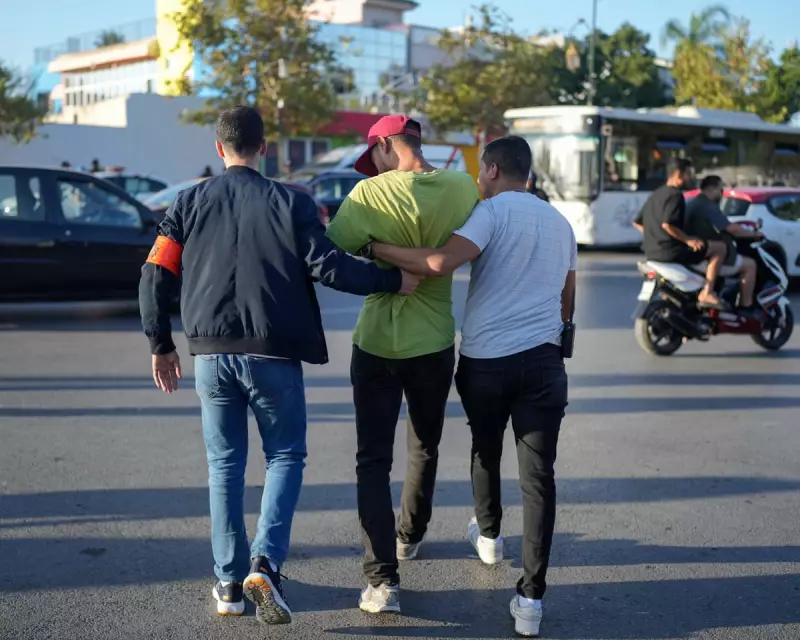
Moroccan authorities are facing severe condemnation from international human rights organisations following a widespread crackdown on youth-led demonstrations, with allegations of horrific abuse and arbitrary detention emerging as the country readies to host a major football tournament.
Wave of Protests Met with Force
The unrest, which represents the largest public dissent since the 2011 Arab Spring, swept across Morocco in late September and early October. The protests, dubbed 'Gen Z 212' after the nation's dialling code, were primarily driven by demands for significant reforms in the country's underfunded education and healthcare systems.
In response, rights groups report that authorities embarked on a campaign of mass arrests. More than 2,400 individuals are currently being prosecuted in connection with the demonstrations, according to Amnesty International. The Moroccan Association of Human Rights (AMDH) states that hundreds, including children, remain in detention, with dozens having already received prison sentences of up to 15 years.

Testimonies of Torture and Injustice
Disturbing accounts from detainees and their families paint a picture of systemic brutality. One mother described how her 18-year-old son was arrested while eating dinner at a snack bar, not participating in a protest. "He was hit so badly during the arrest that he even lost some of his teeth," she said, adding that he was beaten again in custody for refusing to sign police documents.
Souad Brahma, president of the AMDH, highlighted that female protesters faced "acts of harassment, insults, and crude and sexist remarks," with some reporting incidents of inappropriate touching. Mustapha Elfaz from the AMDH's Marrakech branch shared "horrific testimonies of torture," including detainees being forced to strip and beaten with electrical wires.
The situation turned deadly on 1 October in the town of Lqliâa, near Agadir, where three protesters were shot and killed, allegedly by security forces. Fourteen others were injured, including children as young as 12 with firearm wounds. Authorities claim officers responded after protesters stormed a local police station.
Crackdown Coincides with International Spotlight
The allegations emerge as Morocco prepares to host the Africa Cup of Nations, beginning this Sunday. Ahmed Benchemsi of Human Rights Watch suggested, "The government clearly got scared and orchestrated this crackdown to send a strong message that they will not tolerate any form of dissent."
Despite government announcements of increased spending on healthcare and education following the unrest, criticism has intensified. This was further fuelled when flash floods killed 37 people in Safi province, with protesters accusing the government of prioritising prestige projects over essential infrastructure.
Legal proceedings against the detained have been widely criticised. A volunteer lawyer in Casablanca cited "multiple procedural violations regarding arrests and police custody," with severe sentences based on insufficient evidence. The AMDH denounced the absence of lawyers during hearings, insufficient investigations, and a lack of presumption of innocence.
In a recent show of continued tension, six relatives of those killed in Lqliâa were detained by police in Rabat after holding pictures of their loved ones outside parliament. The families allege their phones were confiscated and content deleted before they were ordered to leave the city.






