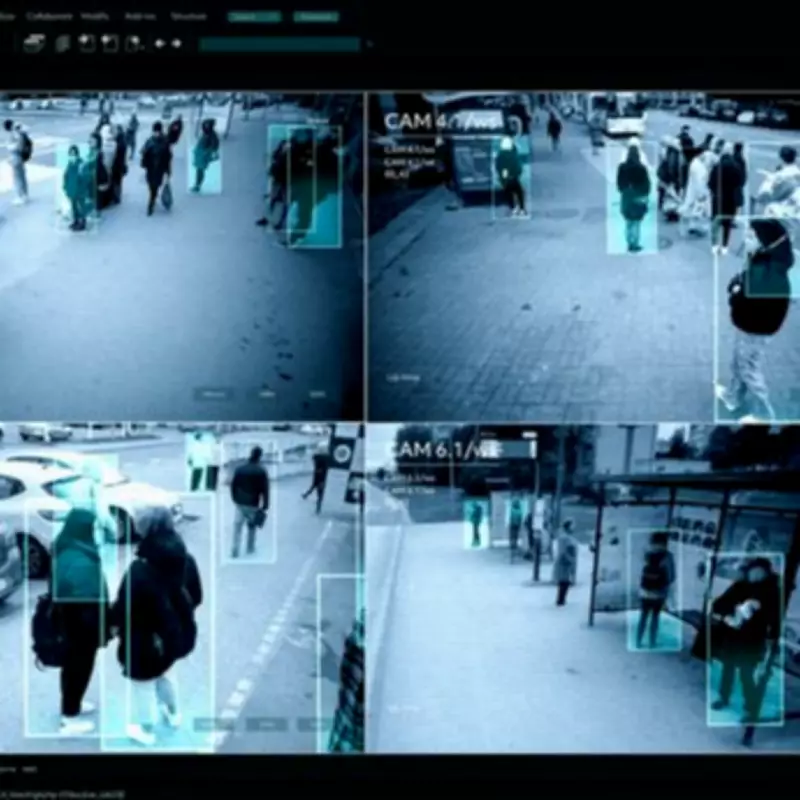
MPs Demand Immediate Pause on Live Facial Recognition Rollout
Ministers are facing urgent calls to halt the national rollout of live facial recognition technology following Essex Police's suspension of its use over significant concerns regarding potential racial bias. The controversy has ignited a fierce political debate about the balance between public safety and civil liberties in an era of rapidly advancing surveillance tools.
Political Pressure Mounts Over Bias Concerns
Labour MP Bell Ribeiro-Addy has been particularly vocal, warning that bias and inaccuracy remain "all too common" with these systems. She emphasised that expanding such technologies while they are still "a work in progress" risks undermining community confidence in both police and state institutions. Ribeiro-Addy cautioned that unchecked deployment could lead society to a "very dangerous place" where citizens face what she described as "pre-emptive criminalisation."
The Liberal Democrats have echoed these concerns, with home affairs spokesman Max Wilkinson MP stating there should be "no national rollout of facial recognition until racial or other biases are eliminated." He called for comprehensive impact assessments from the Home Office and proper statutory safeguards established through primary legislation before any further expansion occurs.

Essex Police's Troubling Findings
The political pressure follows revelations that Essex Police paused their use of live facial recognition cameras after commissioning independent studies that identified "potential bias in the positive identification rate." A Cambridge University study found that of six false positive alerts generated under extreme conditions during fieldwork, four involved Black individuals.
While the force noted that inaccurate identifications were "extremely rare" and the sample size too small for definitive conclusions, they took the precautionary measure of suspending deployments. Essex Police have since worked with their software provider to update the algorithm and revised their policies and procedures, expressing renewed confidence in the technology's ability to help trace and arrest wanted criminals without bias against any community.
Government Expansion Plans Amid Scrutiny
The controversy emerges as Home Secretary Shabana Mahmood has unveiled ambitious plans to increase the number of live facial recognition vans five-fold, making 50 available to all police forces across England and Wales. Mahmood has acknowledged the technology isn't "100% bang-on perfect all the time" but maintains that new technology has "the ability to help us go after criminals and bring more people to justice" when used in accordance with British values.
Police chiefs point to significant operational successes, with the Metropolitan Police reporting that more than 1,700 suspects have been taken off the streets since early 2024 thanks to the technology, including individuals accused of serious violent crimes such as rape and child abuse.
Technical Performance and Independent Assessments
Independent analysis by the National Physics Laboratory previously found the false positive rate for live facial recognition to be less than one in 10,000 for a watchlist of 10,000 people, decreasing to one in 100,000 when the watchlist is reduced to 1,000. However, critics note that Essex Police used different software than other forces, highlighting potential inconsistencies across implementations.
The Information Commissioner's Office has weighed in on the matter, stating in a report that Essex Police "should continue with plans to fully understand these issues and reduce the risks before continuing with deployments." Civil liberties groups have been particularly critical, with Big Brother Watch's Head of Research Jake Hurfurt describing the situation as a "fiasco" and arguing that "AI surveillance that is experimental, untested, inaccurate or potentially biased has no place on our streets."

The Path Forward for Surveillance Technology
As the debate intensifies, the central question remains how Britain will navigate the tension between harnessing cutting-edge technology for public safety while protecting against algorithmic bias and preserving civil liberties. The calls for legislative safeguards and transparent impact assessments reflect growing parliamentary concern about deploying powerful surveillance tools without adequate oversight and accountability mechanisms.
The situation with Essex Police serves as a cautionary case study that will likely influence future policy decisions regarding the appropriate boundaries for live facial recognition technology in British policing and public spaces.