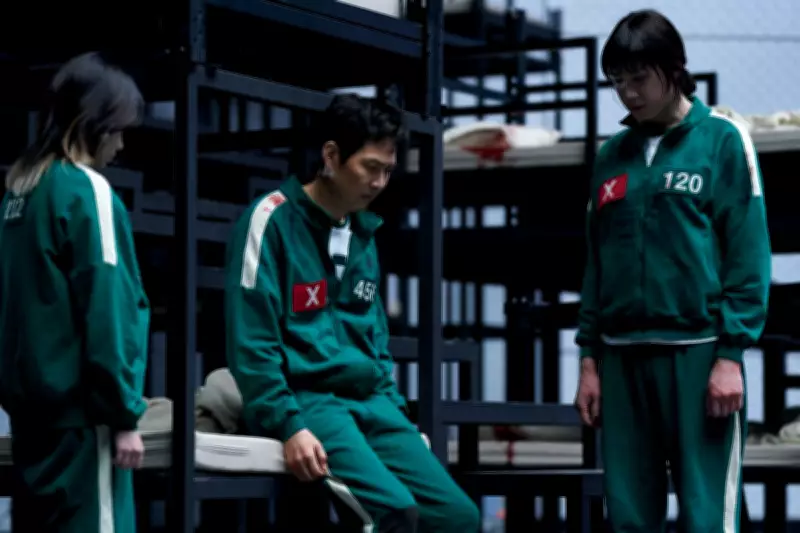
North Korean Teenagers Executed for Watching Squid Game as Regime Cracks Down on Media
Schoolchildren in North Korea are being executed for watching K-Pop dramas and television shows, including Netflix's global hit Squid Game, according to harrowing new testimony collected by Amnesty International. The human rights organisation conducted in-depth interviews with 25 North Koreans, 11 of whom fled the country between 2009 and 2020, with most interviewees aged between 15 and 25 at the time of their escape.
Severe Punishments for Consuming South Korean Content
The escapees reported that watching South Korean dramas such as Crash Landing on You, Descendants of the Sun, and Squid Game, or listening to K-Pop music, leads to severe and humiliating punishments. In the most extreme instances, these actions result in death. The testimonies highlight a stark disparity in consequences based on wealth and connections within the Communist state.
Those without financial means or influential connections face the harshest penalties, while wealthy families can often pay off officials to secure clemency for their children. This corruption-layered repression devastates the most vulnerable in North Korean society.

Firsthand Accounts of Executions and Labour Camps
Kim Eunju, a 40-year-old former student, recounted a chilling experience from her youth. "When we were 16, 17, in middle school, they took us to executions and showed us everything," she said. "People were executed for watching or distributing South Korean media. It's ideological education: if you watch, this happens to you too."
Another escapee, Choi Suvin, personally witnessed a public execution in Sinuiju around 2017 or 2018. The individual was accused of distributing foreign media. "Authorities told everyone to go, and tens of thousands of people from Sinuiju city gathered to watch," she explained. "They execute people to brainwash and educate us." Choi Suvin added that impoverished individuals sometimes sell their houses to raise $5,000 or $10,000 to bribe their way out of re-education camps.
The Role of Wealth and Connections in Avoiding Punishment
Kim Joonsik, 28, shared his own narrow escape from punishment. He was caught watching South Korean dramas three times before leaving North Korea in 2019 but avoided legal repercussions because his family had connections. "Usually when high school students are caught, if their family has money, they just get warnings," he noted. "I didn't receive legal punishment because we had connections."
In contrast, he revealed that three of his sisters' high school friends received years-long labour camp sentences in the late 2010s because their families could not afford to pay the necessary bribes. This underscores the arbitrary and corrupt nature of the regime's enforcement.
Draconian Laws and International Condemnation
In 2020, North Korea introduced the Anti-Reactionary Thought and Culture Act, which officially outlawed the consumption of South Korean content. The law mandates five to 15 years of forced labour for those caught watching or possessing South Korean drama, music, or films, describing such media as a "rotten ideology that paralyses the people's revolutionary sense."
The death penalty is prescribed for distributing "large amounts" of content or organising group viewings. Last year, South Korea's unification ministry reported that a 22-year-old citizen was publicly executed for listening to and sharing K-pop music and films.
A United Nations report from the Office of the United Nations High Commissioner for Human Rights (OHCHR) has warned that new laws, policies, and practices in North Korea are leading to increased surveillance and control over citizens, exacerbating human rights abuses.
Amnesty International's Stark Warning
Sarah Brooks, Amnesty International's deputy regional director, condemned the regime's actions. "These testimonies show how North Korea is enforcing dystopian laws that mean watching a South Korean TV show can cost you your life – unless you can afford to pay," she stated. "This is repression layered with corruption, and it most devastates those without wealth or connections."

The findings paint a grim picture of life under Kim Jong Un's rule, where access to foreign media is not only forbidden but can be a death sentence, with justice often determined by one's ability to bribe officials rather than the severity of the alleged crime.