

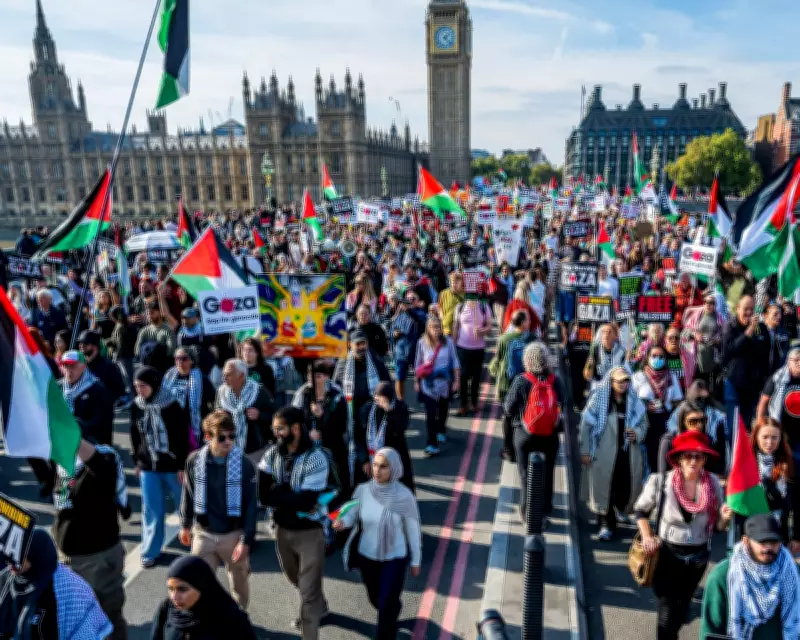
Palestinian Solidarity in Britain 'Being Silenced and Criminalised'
According to a recent report, Palestinian solidarity in Britain is being systematically silenced, criminalised, and sanctioned, with more than 900 documented examples of repression over the past six years. The findings, released by the European Legal Support Center in collaboration with the research group Forensic Architecture, highlight a concerning pattern of targeted actions against individuals and groups expressing support for Palestine.
Index of Repression Details Widespread Harassment
The so-called index of repression catalogues a range of severe consequences faced by those targeted. These include smears, disinformation, harassment, doxing, visa cancellations, financial blacklisting, loss of employment, and arrests. The ELSC notes that such measures are often justified by allegations of antisemitism or support for terrorism, creating a chilling effect on free expression.
At a press conference, Bob Trafford of Forensic Architecture emphasised that the data reveals an organic, multipolar system that raises the personal cost for individuals acting on conscience. He stated, "This system seeks to reduce civil society's capacity to call out genocide and demand robust government action."

Primary Actors and Targets of Repression
The report identifies key actors behind these incidents:
- Police: 220 incidents
- Educational institutions: 192 incidents
- Pro-Israel advocacy groups: 141 incidents
- Journalists and media actors: 141 incidents
Among the most frequently targeted groups are:
- Students, academics, and teachers: 336 incidents
- Activists and organisers: 229 incidents
- Artists and cultural workers: 71 incidents, often facing event cancellations
Personal Testimonies Highlight Human Cost
The press conference featured Sajja Iqbal, a teacher and member of the Redbridge Palestine Solidarity Campaign, who lost her job after a protest at a local Sainsbury's. She removed Israeli goods from shelves, placed them in a trolley covered with a Palestinian flag, and delivered a letter calling for a boycott. Iqbal reported that her name and school were widely publicised in the press, severely impacting her physical and mental health.
"This is what they do to silence me and all the workers that speak out," she said. "I have not committed any criminal offence but simply exercised my democratic right." Iqbal plans to pursue legal action with ELSC's assistance.
Advocacy Group's Role and Broader Implications
Tara Mariwany, senior monitoring officer at ELSC, clarified that the group's role is not to judge allegations but to document their scale. She explained, "It doesn't matter if you wear a watermelon sticker on your shirt, that might give rise to an allegation of antisemitism. We show the scale to question the allegations themselves." The ELSC has not individually assessed each case but aims to highlight systemic issues.
This report underscores growing concerns about the suppression of pro-Palestine voices in Britain, raising questions about free speech, democratic rights, and the impact of such repression on civil society.






