

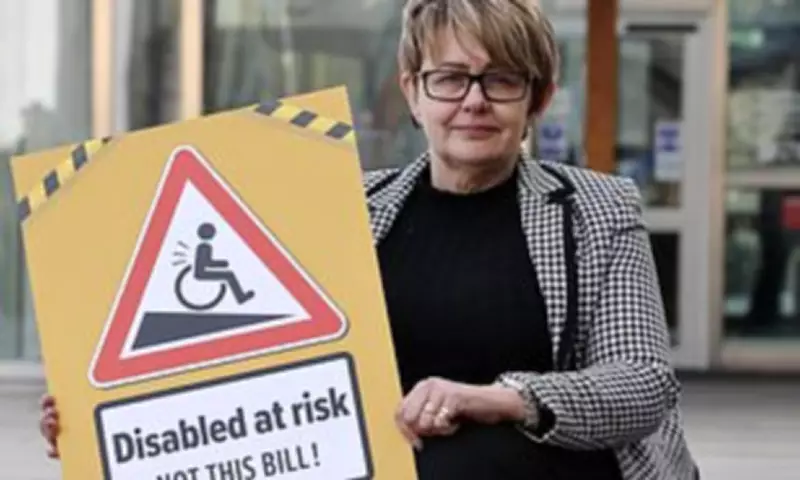
As a lifelong wheelchair user, I have encountered every form of prejudice imaginable. The overt discrimination. The subtle, implicit biases. The pervasive lack of accessibility in public spaces. The quiet, whispered assumptions that I lack capability or worth. During one particularly jarring incident within the halls of Westminster, an individual once told me, 'if my life was like yours, I would want to kill myself'. The statement left me utterly stunned and deeply unsettled.
A Life of Achievement and Privilege
My reality could not be further from that bleak perspective. I have enjoyed a profoundly fulfilling and privileged life in numerous respects. I have competed at five separate Paralympic Games, securing an impressive eleven Paralympic gold medals. Throughout my career in wheelchair racing, I have repeatedly shattered world records and stood atop podiums globally. How many other decorated, award-winning athletes have been casually dismissed as having lives not worth living? If such a damaging view is held about someone with my platform and voice, what does it suggest about society's regard for other disabled individuals who lack the same visibility and influence?
The Dangerous Belief Beneath 'Compassion'
All too frequently, our culture operates under a perilous assumption: that individuals grappling with significant health challenges or mobility impairments would somehow be 'better off dead'. This toxic ideology, often masked by a veneer of well-meaning 'compassion', lies at the very core of the current push to legalise assisted suicide in Scotland. While the proposed legislation specifically targets those with a 'terminal' illness, the practical application is fraught with risk.

The alarming reality is that countless wheelchair users or people with limited mobility could easily be categorised as having a 'terminal' condition if they were to refuse the essential medications, treatments, or assistive devices that sustain their lives. Consider individuals living with cystic fibrosis, for instance. Or reflect on those who, due to their reliance on wheelchairs, develop severe pressure sores—complex wounds that frequently require extensive, prolonged healing periods.
The Slippery Slope to State-Sponsored Suicide
How readily might a person, already struggling with the daily challenges of their impairment, succumb to internal voices of low self-esteem or external pressure? Could they, in a moment of despair, render themselves 'terminally ill' by rejecting vital support, thereby qualifying for a state-sanctioned suicide? How easily might they be persuaded that reducing their perceived 'burden' on caregivers, family members, or the National Health Service constitutes a 'noble' or responsible course of action?
This presents a stark double standard. If an individual without an illness or disability expressed similar suicidal thoughts, we would immediately direct them toward suicide-prevention specialists. The goal would be to help them rebuild their sense of self-worth and rediscover hope for the future. It is therefore both unthinkable and profoundly distressing that Scotland might offer a government-facilitated death to a person considering suicide, simply because their physical health status is different.
Silent Implications and a Call to Action
The introduction of assisted suicide carries silent, yet powerful, implications. It subtly communicates that lives like mine—lives lived with disability—are inherently less valuable, less worth living. If the public and policymakers truly internalise this belief, then decades of hard-won progress toward genuine equality and inclusion will have been entirely in vain. Members of the Scottish Parliament have a clear moral duty. They must vote 'no' to this dangerous and discriminatory bill. They must prioritise and protect Scotland's most vulnerable citizens, ensuring that every life is valued equally, without condition or caveat.






