Watching War Unfold from Afar: An Iranian Australian's Anguish
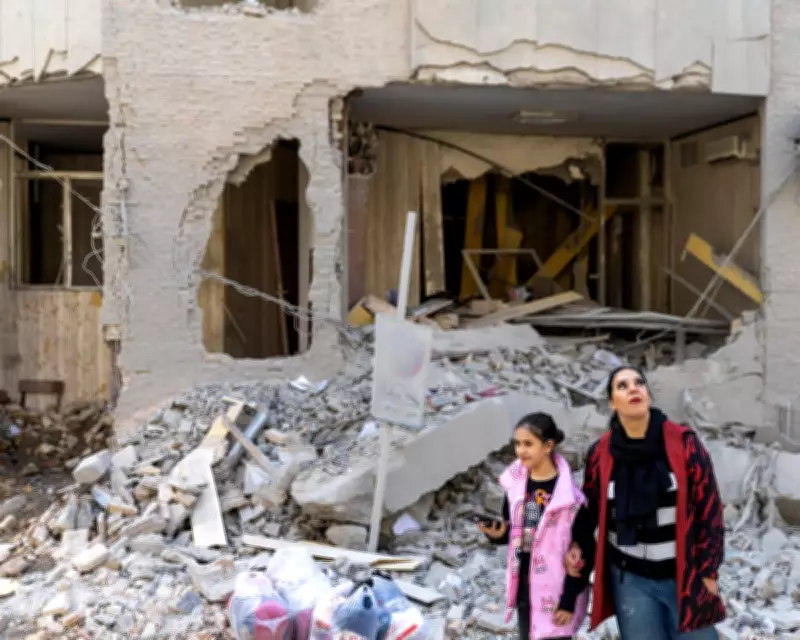
As a woman and child walk past a building damaged by airstrikes on Tehran during the US-Israel war on Iran, the image captures the stark reality of conflict. For Dellaram Vreeland, an Iranian Australian, this scene evokes a deep sense of helplessness. She prays for peace but insists that prayer must be coupled with action to make a difference.
A Legacy of Persecution and Flight
Vreeland's family fled Iran in 1979 as members of the Baháʼí faith, the largest non-Muslim religious minority in the country. They escaped just before the Iranian revolution, seeking safety in Australia. Now, decades later, they watch from afar as their community faces renewed persecution amid the war. Baháʼís have been targeted since the faith's inception in the mid-19th century, with violence and discrimination intensifying during times of unrest.
Before the current conflict, Iranian authorities had already begun scapegoating Baháʼís, blaming them for protest movements that swept the nation. Recently, two young Baháʼís were forced to deliver false confessions on-air, portrayed as terrorists despite their innocence. Human rights activists warn such coerced statements often lead to executions, highlighting the grave risks faced by minorities.

The Power and Limits of Prayer
Vreeland recalls asking her grandmother about the situation in Iran. Her response was simple: "All I can do is pray." This reliance on prayer has sustained many through adversity, but Vreeland argues it cannot stand alone. As a person of faith, she believes in the strength of prayer to inform reflections and actions, yet she stresses that words must translate into tangible efforts.
Her family's history illustrates this need. When they fled, authorities were looting and burning Baháʼí homes. Her grandfather, foreseeing worse to come, quickly organized passports and sent his family to safety. This proactive step underscores how action can complement hope.
From Helplessness to Meliorism
Watching from a safe distance, Vreeland feels suffocated by helplessness as millions of Iranians suffer. She emphasizes that injustices in Iran and globally are everyone's business, and mere "thoughts and prayers" are insufficient. Instead, she advocates for meliorism—the belief that positive change can be achieved through acts of love, creativity, and compassion.
She calls for raising awareness, contributing to community welfare, and educating children as ways to make a difference. In times of pain, prayer can offer solace and inspiration, but it must empower action for those who cannot act themselves.
Key Takeaways:- The Baháʼí community in Iran faces escalating persecution amid war and unrest.
- Prayer is vital but must be paired with concrete actions to foster peace and justice.
- Global solidarity and proactive efforts are essential in addressing human rights crises.
As the war continues, Vreeland's message resonates: in a troubled world, we must all strive to be sources of light through meaningful engagement and compassion.