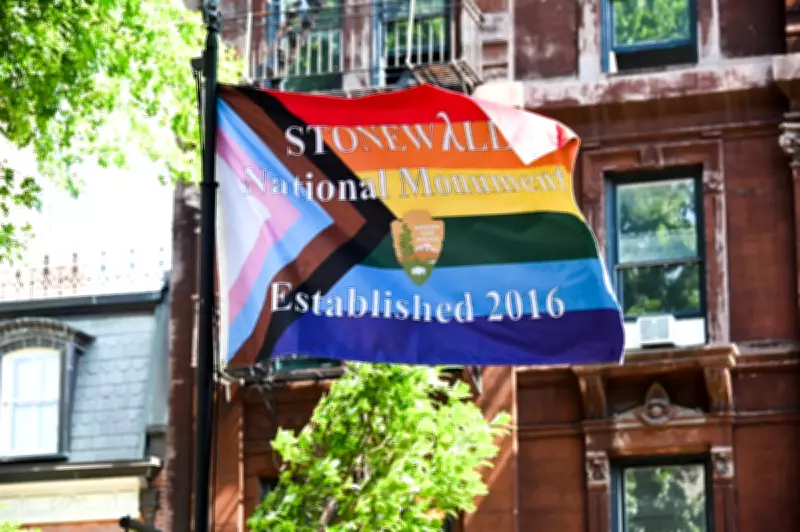
Trump Administration Orders Removal of Pride Flag from Stonewall National Monument
In a move that has ignited significant controversy, the Trump administration has directed the removal of the LGBTQ Pride flag from the Stonewall National Monument in New York City. This action, which occurred recently, has been met with immediate backlash from LGBTQ advocacy groups and supporters, who view it as a direct assault on the visibility and rights of the community.
Historical Significance of Stonewall and the Pride Flag
The Stonewall National Monument holds profound historical importance as the site of the 1969 Stonewall riots, a pivotal event in the modern LGBTQ rights movement. The Pride flag, a symbol of diversity, inclusion, and resilience, has been displayed at the monument for years to honor this legacy and promote ongoing equality efforts. Its removal by federal authorities under the Trump administration's orders has raised alarms about potential political motivations aimed at undermining LGBTQ protections.
Reactions and Protests from Advocacy Groups
Following the flag's removal, numerous LGBTQ organizations and activists have organized protests and issued statements condemning the decision. They argue that this action erases the monument's symbolic value and sends a harmful message of exclusion. Critics have pointed to the Trump administration's broader record on LGBTQ issues, including policies affecting transgender individuals and healthcare, as evidence of a pattern of hostility towards the community.

Administration's Justification and Legal Context
Officials from the Trump administration have defended the removal, citing adherence to federal guidelines on monument displays and emphasizing a focus on historical preservation without political symbolism. However, legal experts note that the move may challenge interpretations of free speech and public space usage, potentially leading to legal battles over the flag's reinstatement. The decision has also sparked debates about the role of government in managing national monuments and the balance between historical accuracy and contemporary social values.
Broader Implications for LGBTQ Rights and Public Discourse
This incident has broader implications for LGBTQ rights in the United States, highlighting ongoing tensions between progressive advocacy and conservative governance. It has fueled discussions about the importance of symbolic gestures in public spaces and their impact on social inclusion. As protests continue, the removal of the Pride flag from Stonewall serves as a flashpoint in the national conversation about equality, history, and the future of LGBTQ protections under changing political landscapes.