Reclaiming Radical Imagination in the Digital Age
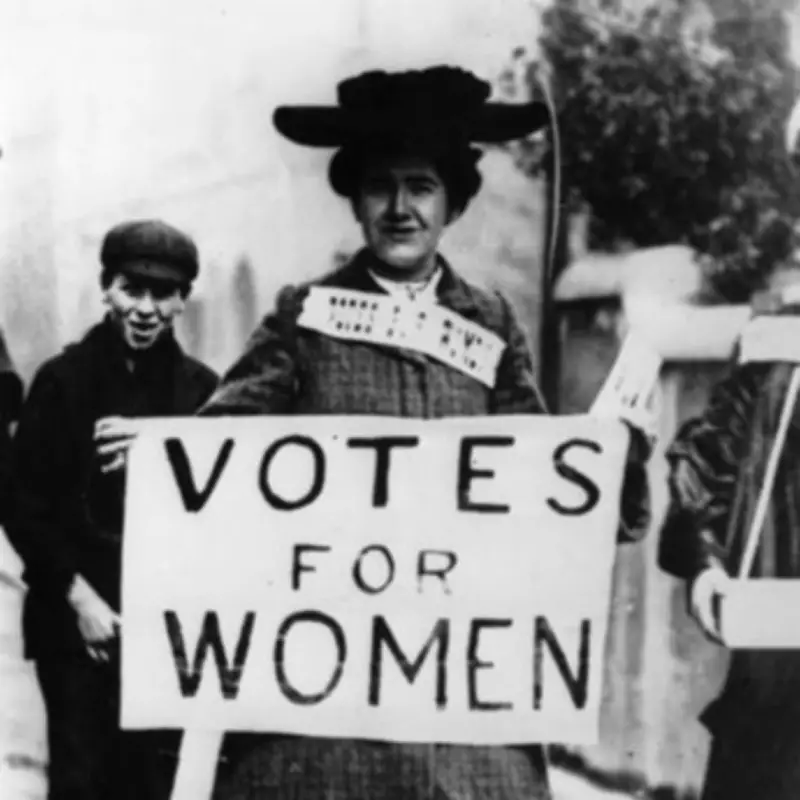
Fearless women have always been the cornerstone of progress in modern Britain. In the early 20th century, feminists campaigned tirelessly for the fundamental right to vote. Their journey was marked by immense sacrifice, unwavering hard work, and extraordinary determination. These pioneering women smashed windows, endured hunger strikes, and some tragically gave their lives for the betterment of womankind. The road to equality was never easy, and the path ahead remains fraught with new and complex challenges. Yet, the march for progress continues undeterred.
The Illusion of Inevitable Progress
This International Women's Day presents a critical moment for modern feminists to confront novel obstacles. Many of us now inhabit digital worlds, chronicling our daily lives on platforms like Instagram and TikTok. In doing so, we surrender not only our personal data but also, alarmingly, part of our capacity to envision a better future. Our online spaces have devolved into confirmation bias-fueled echo chambers, stifling broader political discourse and collective dreaming.
The historic victories for the vote, workplace rights, and reproductive healthcare were not won overnight. The 2024 renaming of a London tube line after the Suffragettes risked creating a misleading narrative, suggesting their activism was destined to succeed through sheer perseverance. This framing implies progress is a linear, inevitable marker of history. However, progress is not a universally agreed-upon term. Its meaning for the modern woman—perhaps centered on affording childcare or baby formula—diverges radically from the corporate elite's definition in Silicon Valley boardrooms, where progress often equates to an ever-expanding digital market ripe for exploitation.

Corporate Feminism and the Flawed Gospel of Resilience
Initial research for this column revealed a striking apolitical trend in many International Women's Day posts, despite this clear divergence in defining progress. Numerous messages promoted a sanitized, corporate version of womanhood, with one company even taking an 'edgy' approach by celebrating men. The prevailing 'Girl Boss' narrative champions passive resilience over demanding substantive structural change.
The Suffragettes did not make history by merely 'leaning in' to a 'boys club'—the entire early 20th-century political and economic sphere that excluded them. Resilience alone is a passive, inadequate response that will not catalyze meaningful transformation. To be 'resilient' in the modern context often means flattening our aspirations as women, settling for the status quo, and cauterizing our innate curiosity for change. While the struggle for equality has evolved since the Suffragettes' era, new, equally formidable challenges have emerged.
The Data Harvest and Digital Dystopia
The proliferation of Big Tech means everyone now carries a data-collecting device in their pocket. Smartphones are our default for every fleeting thought: store opening hours, TV schedules, workplace harassment advice, crisis helplines, or intimate health queries. These private matters are transformed into data harvested by corporate technology giants.
At best, this information peddles unnecessary products—teeth whitening strips, novelty toothpaste, or miracle bras. At worst, it creates a dystopian nightmare where our politics are absorbed by algorithms that feed us content reinforcing our existing biases, shrinking our collective imagination. A particularly worrying frontier is the misuse of health data. In 2024, King's College London released a damning report highlighting how apps designed for female health monitoring expose users to significant privacy and safety risks through poor data handling.
This is merely the tip of the iceberg. Last year, guidance from the National Police Chiefs' Council indicated that women experiencing sudden pregnancy loss could face police investigation if illegal abortion is suspected. Such probes might involve seizing phones to examine search histories, period tracking apps, or fertility data for evidence of pregnancy awareness. This Big Tech hellscape coincides with a global rollback of rights, from the overturning of Roe v. Wade in the United States to the erosion of Trans rights under the UK's Equality Act.

Reclaiming Community and Collective Action
When writing on these erosions for this newspaper, social media posts attracted thousands of bot-like responses filled with astonishing vitriol and hatred. The digital world has enabled this shrinkage of empathy, with individuals posting hate-filled messages from burner accounts into the ether. The trajectory no longer feels oriented toward equality and the betterment of womankind.
This International Women's Day, we must fervently believe in better. We must trust that our imagined collective future is achievable, or we risk losing everything. While complete disconnection from the digital world may be impossible, resistance is essential. Our bodies must not become data farms for corporate harvest; our genders cannot be mere fuel for toxic debate.
True progress carries high stakes, making it imperative to center empathy, kindness, and community in defining the next era for womankind. First, we must avoid the seductive trap that suggests equality can be achieved without sacrifice. Put your phone down. Go for a walk. Strike up a conversation with another woman in a coffee shop or on the bus. If it feels strange or awkward, that is the very sacrifice required. We must never assume progress is a given, for it is not. We must actively build it, together.