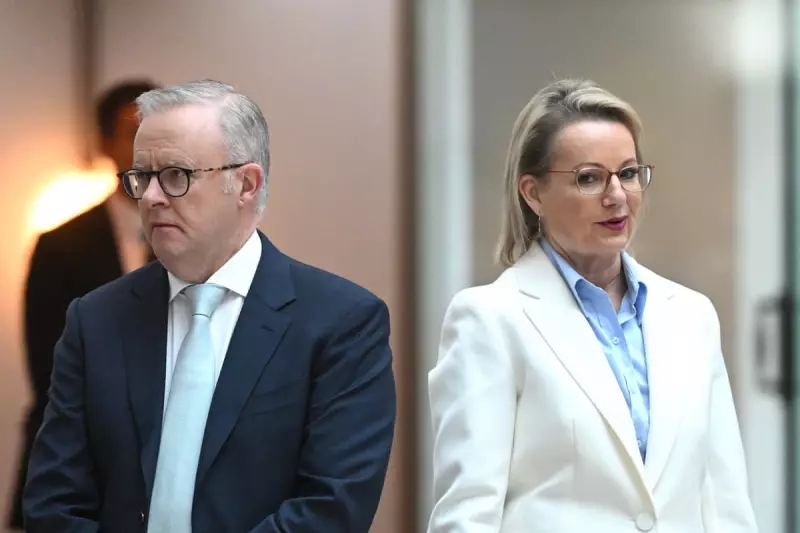
The political fallout from the Bondi terror attack has left both Prime Minister Anthony Albanese and Opposition Leader Sussan Ley facing significant pressure, as a hastily drafted legislative response threatens to unravel under scrutiny.
A Rush to Respond
In the immediate aftermath of the horrific attack on 14 December, a swift political consensus seemed to form. Opposition Leader Sussan Ley issued a statement offering the Coalition's "full and unconditional support" for the government's response. Over the following four weeks, Ley maintained a relentless public campaign, demanding parliament be recalled and new laws be passed to combat antisemitism.
However, the landscape shifted dramatically when Prime Minister Anthony Albanese unveiled the government's draft legislation just 48 hours before MPs were due to consider it. The bill combined new hate speech and anti-vilification laws with a national guns buyback scheme. This move left Ley in a difficult position, having publicly championed urgent action but now facing a specific proposal her party could not endorse.

Coalition Cracks and a 'Friendless' Bill
Ley's authority was quickly tested from within her own ranks. Senior Liberal Andrew Hastie publicly denounced the bill as "an attack on our basic democratic freedoms", urging that the planned royal commission be allowed to finish its work first. His intervention highlighted Ley's fragile internal standing.
By Wednesday, the Coalition's leadership group had decided to oppose the legislation, with Ley later describing it as "pretty unsalvageable". This decision was backed by a broad factional cross-section, including moderates and Ley's potential rival, Angus Taylor. The opposition leader argued the bill failed to adequately address both antisemitism and Islamic extremism.
The government's anger was palpable. Albanese denied attempting to wedge the opposition but expressed astonishment at their stance. Foreign Minister Penny Wong escalated the rhetoric, suggesting it was Ley's leadership that was unsalvageable.
Serious Concerns Over 'Bad Law'
Beyond the political sparring, serious legal and civil liberty concerns have been raised about the rushed bill. The parliamentary committee reviewing it held a mere two-day inquiry, with Deputy Chair Phil Thompson admitting thousands of public submissions remained unread by Friday afternoon.
Expert warnings have been stark. The New South Wales Council for Civil Liberties cautioned the bill would impose significant limits on free speech. Constitutional expert Anne Twomey likened provisions to ban hate groups to the Menzies government's failed attempt to outlaw the Communist Party, warning of potential for future abuse.
Further controversy surrounds the Coalition's push to explicitly outlaw specific phrases like "globalise the intifada" within the bill. Legal experts, including Professor Luke McNamara, argue this approach is risky and that context must be considered.
With the Coalition opposed, the Greens now hold the balance of power in the Senate. Leader Larissa Waters has expressed significant reservations, stating the current draft risks criminalising legitimate political expression. She also questioned why legal protections would be extended to one vulnerable group and not others, such as LGBTQ+ Australians.
Religious leaders, including Sydney's Catholic Archbishop Anthony Fisher, have added their voices to calls for delay, citing concerns over religious freedom and freedom of expression.
A Lesson in Legislative Caution
As MPs prepare to return to Canberra, the government's bill appears isolated. The episode serves as a cautionary tale about the perils of rushing complex legislation in the heated aftermath of a national tragedy. Both Albanese and Ley have found themselves exposed—the Prime Minister by a proposal that has garnered little support, and the Opposition Leader by a rapid reversal from her earlier demands for immediate action.

The Bondi attack demanded a sober and united response. Instead, the scramble to be seen acting has resulted in political division and a legislative proposal widely criticised as flawed. The coming week will determine whether parliament can move beyond the politics to craft laws that are both effective and constitutionally sound.