The Day I Became Invisible: A Mother's Haircut That Changed Everything
In the exhausted haze of new motherhood, a simple decision about personal grooming can unravel profound truths about how society perceives women. For one mother, shaving her head became an unexpected experiment in visibility and gender conformity that left her feeling ghostly and ignored.
The Breaking Point of New Motherhood
Two weeks after giving birth to her first child in November 2000, the author found herself collapsed in bed, breastfeeding while watching Top of the Pops. Surrounded by dirty sheets and sick-soaked muslin rags, she felt this was a perfectly reasonable state of affairs until Madonna appeared on screen. The pop icon, who had given birth just three months earlier, danced sexily with her belly bared, creating a jarring contrast that sparked mixed feelings of inspiration, resentment, and pity.
As weeks passed, occasional visits to cafes and museums provided relief from the "well of loneliness" that early motherhood can become. Yet the author knew that to fully return to functional living, she needed to ruthlessly prioritise her limited time. Housework was an obvious sacrifice, but eating had to stay. At the top of her list of "useless" activities was haircare.

The Liberation That Backfired
There was a barber shop around the corner from her house. The calculation seemed simple: twenty minutes for a buzz cut would buy hours of future time saved on maintenance. Beyond practical considerations, she secretly hoped for other benefits too.
"I had started to find the attention and idealisation around motherhood exhausting," she explains. "I was tired of the gooey way strangers would look at me while I was breastfeeding. I was also a bit sick of people sticking by my side after they'd helped me up the stairs with my pram."
The constant "lovely lady" projection grated against her reality: just because she had a baby didn't mean she was nice. She wondered if looking "a bit more grrrr" might stop the unwanted attention.
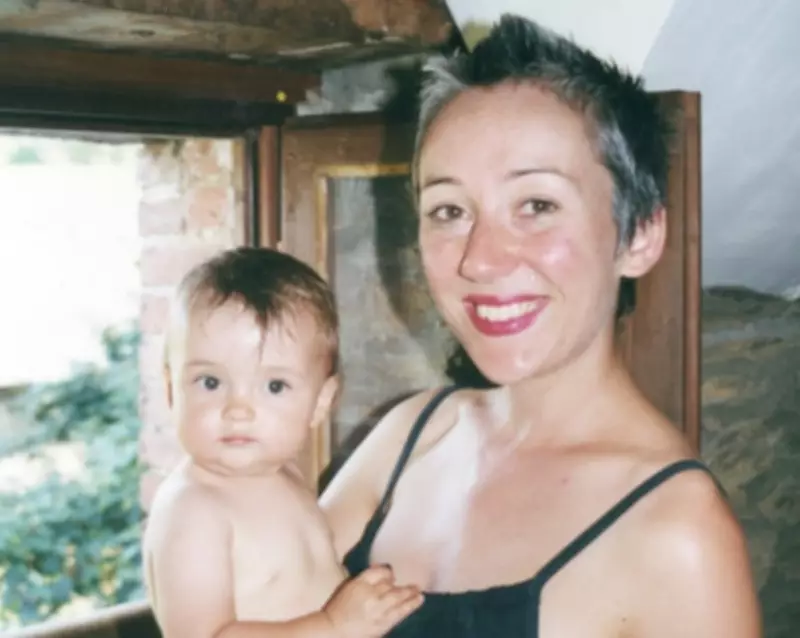
The barber seemed reluctant when she asked for a number-two buzz cut all over, asking if she was sure. She confirmed, explaining she was tired of looking "like a mum." The transformation took less than five minutes: "I went from Virgin Mary to badass Alien-destroyer in the time it took to change a nappy." Initially, she felt euphoric.
The Harsh Reality of Gender Non-Conformity
The bubble burst within forty-eight hours. Standing with her pram at the bottom of a tube station staircase, she looked up haplessly as people scurried past without offering help. The next day, trying to buy coffee at a crowded counter, she felt like a ghost, invisible to busy staff until she complained about waiting longer than others - a move that earned her only hostility from the barista.
"I had got what I wanted – and it was terrible," she reflects. "Yes, I'd saved myself some time getting ready to go out in the mornings, but at what cost?"
She found herself moping around cafes and museums, calculating how many months or years it would take to grow hair that would make her visible again. Any hair length over three inches triggered hideous envy. "My haircut had made me a monster, inside and out," she admits, noting there are no photographs of her as a "true baldie."
The Unspoken Rules of Feminine Presentation
The experience taught her a harsh lesson about what happens when women step outside gender norms. "I quickly discovered that life is much harder for women without swishy hair," she writes. Dropping just one key marker of femininity meant strangers treated her completely differently.
Being femme-presenting had meant receiving help and approval - albeit with occasional creepiness - while looking "grrrr" meant being ignored or risking being labelled as stroppy. "It was frustrating to discover how a few minutes in a barber's chair had completely changed who I was for others."

Growing Back Into Visibility
Hair does grow back, and soon enough she was once again "sashaying through pre-opened doors with abandon." Today, she sports waist-length white hair that "somehow perfectly fits my neurotic insistence on conforming and not conforming at the same time."
Yet that temporary, self-inflicted privilege dip gave her "the tiniest glimpse into what it might be like to be ignored, excluded or feared on the grounds of appearance alone." And that, she concludes, is truly an ugly sight - not in those who look different, but in a society that treats them differently based on superficial markers of gender conformity.