

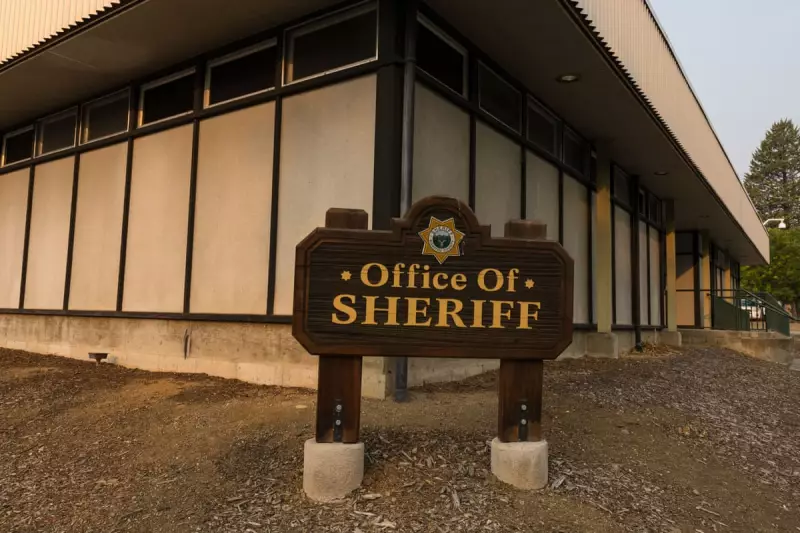
A rural Californian county has agreed to a major financial settlement and sweeping reforms to its law enforcement practices, closing a significant civil rights lawsuit brought by its Hmong American community.
A Watershed Settlement for Civil Rights
Siskiyou County, located in northern California, will pay $1.5 million and implement a series of substantial policy changes. This settlement resolves a federal class-action lawsuit filed in January 2026. The legal action accused the county sheriff's office and other local authorities of systematically discriminating against residents of Hmong descent.
The lawsuit painted a picture of targeted harassment. It alleged that sheriff's deputies and county officials engaged in a campaign that included unlawful searches, traffic stops based on race, and the intentional destruction of personal property. This was reportedly part of an effort to force Hmong residents, many of whom are involved in cannabis farming under state law, to leave the area.

Allegations of Systemic Harassment and Intimidation
Central to the plaintiffs' case were claims that law enforcement overstepped legal boundaries. The complaint detailed instances where deputies allegedly cut water lines, killed livestock, and vandalised vehicles belonging to Hmong families. These actions, the lawsuit argued, were not isolated incidents but part of a coordinated pattern of intimidation.
Furthermore, the legal challenge took aim at a controversial local ordinance. The lawsuit contested a county law that prohibited the use of county water for cannabis cultivation. Plaintiffs argued this rule was unfairly enforced against Hmong farmers, while other agricultural businesses faced no such scrutiny, suggesting a discriminatory application of local regulations.
Binding Reforms and a Path Forward
The settlement, which still requires final approval from a federal judge, goes far beyond a simple financial payout. It mandates concrete changes to how Siskiyou County law enforcement operates. A key provision requires the sheriff's office to adopt a new, detailed policy prohibiting biased policing. This policy must explicitly forbid stops, searches, or arrests based solely on perceived race, ethnicity, or national origin.
In a significant move towards accountability, the county must also establish a clear and accessible public complaint process. This system will allow residents to report allegations of misconduct by sheriff's deputies, ensuring concerns are formally tracked and investigated.
Additionally, the agreement stipulates that all patrol deputies and detectives undergo comprehensive training in cultural competency and implicit bias. This training is designed to address the underlying attitudes that can lead to discriminatory practices and improve community relations.
While the county has agreed to the settlement, it is important to note that the authorities have not admitted to any wrongdoing as part of the agreement. The settlement allows the county to avoid the cost and uncertainty of a protracted trial while committing to change its practices.
For the Hmong community in Siskiyou, this settlement represents a hard-fought victory for justice and equal treatment under the law. It sets a legal precedent and establishes a framework for oversight that aims to prevent future discrimination, marking a potential turning point in the relationship between the community and local government.






