Texas Anti-ICE Protesters Convicted on Terrorism Charges in Landmark First Amendment Case
In a closely watched legal battle, a group of anti-ICE protesters in Texas has been found guilty of providing material support for terrorism and other serious charges. The case, which concluded on Friday, was widely regarded as a major test of the First Amendment and the government's ability to use broad anti-terrorism statutes to prosecute leftwing demonstrators.
This prosecution marked the first instance where the U.S. government alleged individuals were part of an antifa terrorist cell in a criminal trial, raising significant constitutional questions about free speech and assembly.
Defendants and Charges
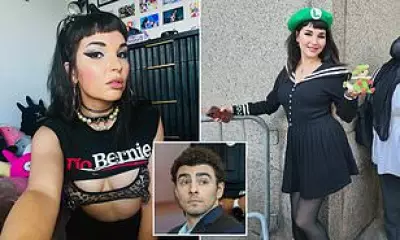
The nine defendants—Benjamin Song, Zachary Evetts, Autumn Hill, Meagan Morris, Maricela Rueda, Savanna Batten, Ines Soto, Elizabeth Soto, and Daniel Sanchez-Estrada—were tried together on a mix of charges. These included providing material support to terrorists, rioting, attempted murder, as well as firearms and explosive offenses.

Sanchez-Estrada was the sole defendant not present at the protest; he faced charges of corruptly concealing a document or record after allegedly moving leftwing zines following his wife's arrest. Song, who escaped after the incident and was subject to an 11-day manhunt, saw several others charged with assisting him during that period.
The jury convicted the defendants on nearly all charges, with limited exceptions. Evetts, Hill, Morris, and Rueda were acquitted of attempted murder and firearms charges, while Song was acquitted on two counts of attempted murder but convicted on one, along with firearms offenses.
Sentencing and Reactions
Sentencing prospects are severe: Song faces a minimum of 20 years to life in prison, while Arnold, Evetts, Morris, Rueda, Batten, Elizabeth Soto, and Ines Soto each risk 10 to 60 years. Sanchez-Estrada could receive up to 40 years. The DFW Support Committee, a coalition backing the defendants, expressed heartbreak on social media, calling the trial a "sham" built on political persecution.
In contrast, Pam Bondi, the attorney general, hailed the verdict, stating, "Antifa is a domestic terrorist organization that has been allowed to flourish in Democrat-led cities – not under President Trump." She emphasized that this case is part of a broader effort to dismantle antifa and curb violence.
Background of the Protest
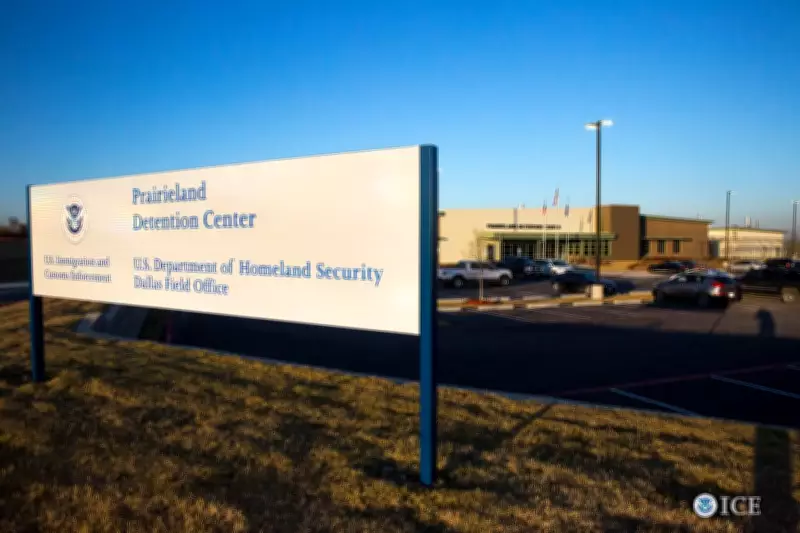
The case centered on a Fourth of July protest last year at the Prairieland detention center near Fort Worth. Demonstrators, dressed in dark clothing, planned a noise demonstration with fireworks to show solidarity with detainees. However, the event escalated when a few protesters vandalized property, including spray-painting cars and slashing tires on a government van.
When ICE guards and a police officer intervened, one protester, Song, fired an AR-15, injuring the officer in the shoulder. Prosecutors argued this was a coordinated ambush, while defendants maintained it was a peaceful protest that went awry, with firearms brought for self-defense.
Legal Arguments and Evidence
Throughout the trial, prosecutors focused on protest tactics such as using Signal messaging with pseudonyms and autodelete features, wearing all-black clothing, and possessing zines and anti-Trump materials. They contended these actions indicated coordination for an ambush. However, defense lawyers highlighted that much of the gear was commercially available and that violence was unexpected, as testified by some government witnesses.
Defense attorney Cody Cofer noted the jury seemed to reject the government's "ambush" narrative, suggesting guilty verdicts on riot charges might have resulted from compromise during deliberations. He emphasized ongoing First Amendment and evidence sufficiency issues for appeal.
First Amendment Implications
Attorneys for the defendants argued the prosecution was punishing beliefs rather than actions. Blake Burns, representing Elizabeth Soto, warned jurors against imprisoning protesters as terrorists. Christopher Weinbel, Sanchez-Estrada's attorney, expressed dismay, stating the verdict felt like a betrayal of justice.

Interestingly, the legal relevance of antifa was questioned during the trial. Prosecutor Shawn Smith asserted the case was about tactics, not beliefs, while Judge Mark Pittman, a Trump appointee, questioned why antifa should be mentioned in jury instructions, highlighting the disconnect between political emphasis and legal technicalities.
The statute used for terrorism charges does not require affiliation with a terrorist organization; it merely involves assisting in specific federal crimes like property damage or attempted murder of law enforcement.
Ongoing Legal Battles
The defendants still face state charges, and their supporters vow to continue fighting. As appeals proceed, this case underscores the tension between national security measures and civil liberties, setting a precedent for how anti-terrorism laws are applied to protest movements in the United States.