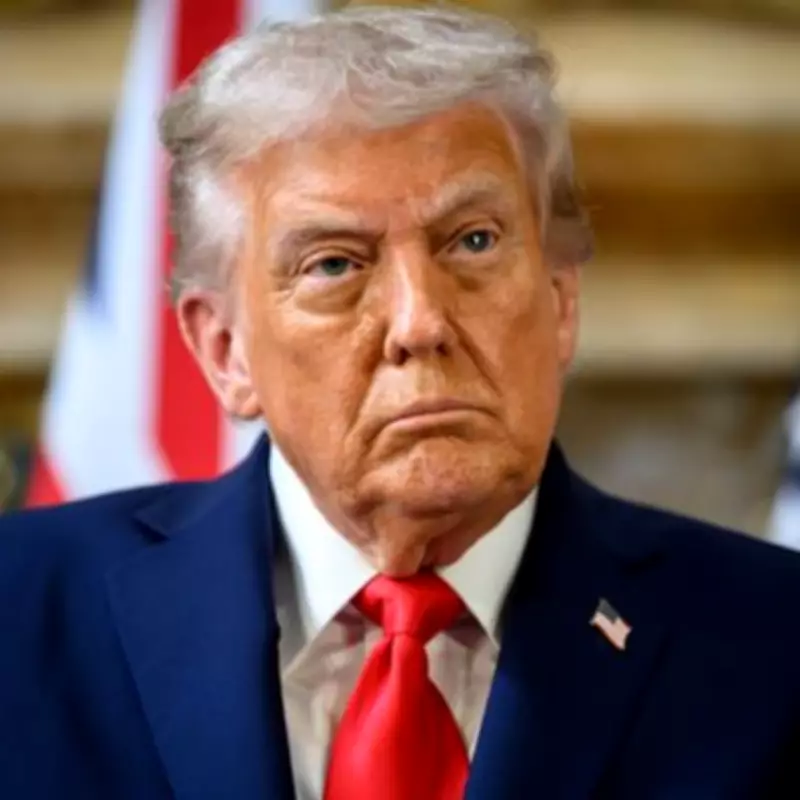
The Trump administration's escalating targeting of journalists, particularly Black reporters, is raising profound questions about the future of press freedom in the United States and beyond. As the government continues to test the limits of its authority, the recent arrests of high-profile media figures have sent shockwaves through the international community.
A Disturbing Pattern of Intimidation
Former CNN anchor Don Lemon, a veteran journalist with three decades of experience, was arrested last Thursday alongside Emmy award-winning independent reporter Georgia Fort. Both were taken into custody in connection with their coverage of an anti-immigration protest at a Minnesota church, though they have since been released on bail. The arrests represent what many observers see as a dangerous escalation in the administration's approach to media scrutiny.
Legal Battles and Journalistic Integrity
US Attorney General Pam Bondi has accused Lemon and Fort of participating in a "coordinated attack" on the religious institution, allegations both journalists vehemently deny through their legal representatives. They maintain they were simply performing their professional duties as reporters covering a newsworthy event, not participating in the protest themselves.

Speaking on his YouTube program following his release, Lemon issued a powerful call to action, urging journalists worldwide to "stand up for each other" in the face of increasing governmental pressure. His message resonated particularly strongly with Black journalists who frequently face additional scrutiny and obstacles when reporting on sensitive issues involving state power and social justice.
International Solidarity and Response
The UK's Black Current News published an open letter on Friday signed by dozens of prominent Black British figures including actor Lenny Henry, performer Adrian Lester, and RADA CEO Marcus Ryder. The letter highlighted the particular vulnerabilities faced by Black journalists on both sides of the Atlantic, noting they are often "singled out, over-policed, and obstructed from reporting - particularly when covering state power, protest, racism, or injustice."
The signatories expressed concern that Black journalists' credibility is routinely questioned, their presence challenged, and their rights treated as conditional in ways that white colleagues rarely experience. This pattern, they argue, creates a chilling effect on important reporting about marginalized communities and government accountability.
Broader Implications for Media Freedom
These arrests occur against a backdrop of increasing tension in Minnesota, where last month ICE agents fatally shot 37-year-old intensive care nurse Alex Pretti and writer Renee Good, a mother of three. Their deaths sparked national protests and renewed debate about federal law enforcement tactics, creating the volatile environment in which Lemon and Fort were reporting.
President Trump's documented disregard for Black culture and institutions, from his derogatory comments about African nations to his criticism of athletes protesting racial inequality, has created what many see as a permission structure for targeting Black journalists specifically. Critics warn that this focused intimidation could easily expand to include reporters of all backgrounds as the administration continues to label unfavorable coverage as "fake news."
The Global Ripple Effect
The Trump administration's approach to media relations has already influenced political discourse worldwide, with some UK politicians openly admiring his tactics. As citizen journalism grows through smartphone documentation of events, traditional media faces unprecedented challenges in maintaining editorial independence while navigating increasingly hostile political environments.
Several US media organizations have faced costly legal battles with the administration, while others have been accused of excessive deference in their coverage. The current situation represents a critical juncture for press freedom, with implications that extend far beyond American borders to democracies everywhere that rely on robust, independent journalism to hold power to account.

Ultimately, the targeting of journalists represents a threat to democratic accountability that affects all citizens. When reporters cannot safely perform their watchdog function without fear of arrest or intimidation, the mechanisms of transparency and oversight that protect public interest begin to erode, creating conditions where governmental overreach can flourish unchecked.