

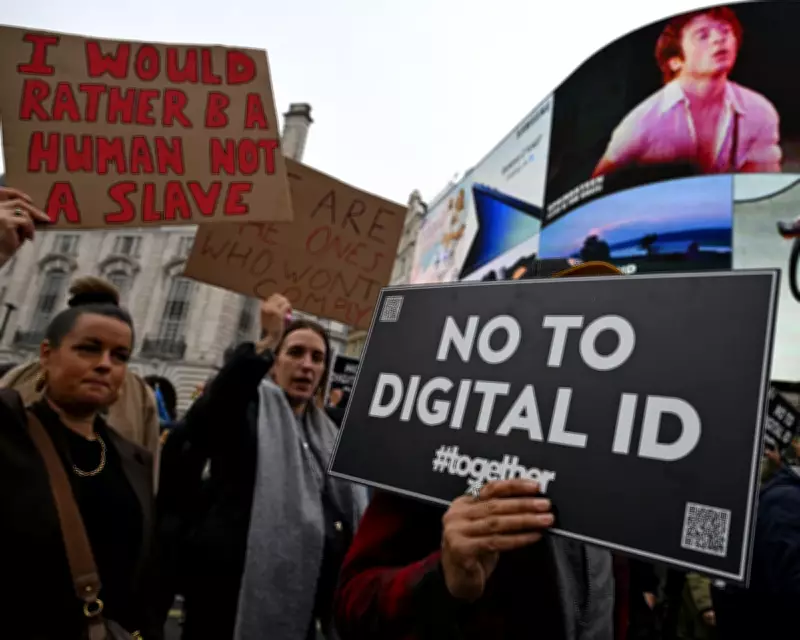
UK Government to Convene 100-Citizen Panel for Digital ID Consultation
In a bid to address growing public scepticism and combat conspiracy theories, the UK government is set to establish a citizens' assembly comprising 100 randomly selected individuals from across Britain. This panel will provide direct input into the ongoing consultation on digital identity cards, as ministers seek to rebuild trust and incorporate diverse perspectives into the policymaking process.
Announcement Amidst Internal and Public Resistance
Darren Jones, the chief secretary to the prime minister, will unveil the details of this initiative on Tuesday. The move comes at a time when the proposal for digital IDs faces significant resistance from both the public and within government ranks. Notably, Education Secretary Bridget Phillipson has already ruled out using the technology for allocating special educational needs funding, highlighting internal divisions.
Jones emphasised the need for broader engagement, stating, "Public trust in the state has been declining for years, whoever has been in power – and people too often feel shut out of decisions. This consultation is going above and beyond to bring people in to all the big debates, and the knotty trade-offs too. We're deliberately going out to seek the views of ordinary people from all walks of life and from right across the country – so it's not just the loudest or most powerful voices who are being heard."

Evolution of the Digital ID Proposal
Originally announced by Prime Minister Keir Starmer last year, the digital ID scheme was initially intended as a compulsory measure to verify employees' right to work in the UK. However, the government has since abandoned the compulsory aspect, allowing workers to use alternative forms of identification, such as passport scans, for employment verification.
On Tuesday, Jones will outline potential additional applications for the technology, primarily focused on streamlining access to public services. A government spokesperson commented, "Digital ID will make everyday life easier for people, ensuring public services are more personal, joined-up, and effective."
Limitations and Concerns
Despite these ambitions, the scheme will not extend to certain key areas. Health Secretary Wes Streeting has expressed scepticism, confirming that the NHS will not be involved. Similarly, Phillipson has decided against implementing digital Send passports as part of recent educational reforms, further narrowing the scope of the initiative.
Ministers have been alarmed by the negative reception and misinformation surrounding digital IDs. For instance, the BBC recently apologised after its comedy programme Have I Got News For You falsely claimed that the project contract had been awarded to Euan Blair, son of former Prime Minister Tony Blair.
Citizens' Assembly Model
Inspired by similar processes used in Ireland for contentious issues like abortion laws, the citizens' assembly aims to foster consensus and improve public trust. The selected panel will convene over several weekends, engaging in activities such as:
- Interviewing experts and government officials
- Hosting public debates and discussions
- Developing independent recommendations based on their findings
This approach is designed to ensure that the consultation reflects a wide range of viewpoints, moving beyond elite or vocal minorities to include everyday citizens in shaping the future of digital identification in the UK.






