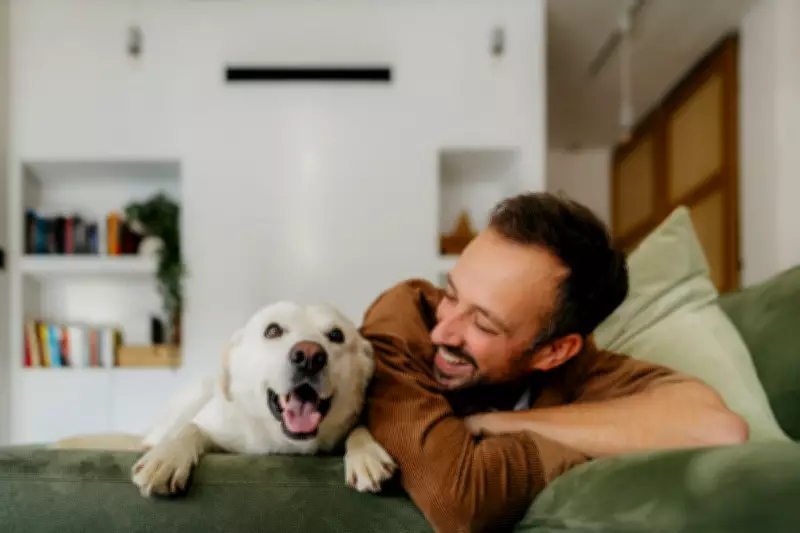
The Unraveling Social Fabric and America's Canine Burden
With the social fabric of American society increasingly fraying, citizens are placing unrealistic and unsustainable emotional demands on their canine companions. Dogs have evolved alongside humans for up to 40,000 years, forming a central chapter in the human story, yet contemporary culture is transforming this ancient bond into something potentially harmful.
The Pet Revolution and Its Lonely Roots
Americans demonstrate profound affection for dogs, with nearly half of all U.S. households including at least one. A striking 51% of owners consider pets to be family members "as much as a human member." This devotion fuels a booming pet industry, generating employment across veterinary services, training, and social media influencing. Educational institutions struggle to meet the soaring demand for qualified veterinarians.
This phenomenon constitutes what Mark Cushing, a lawyer and veterinary lobbyist, terms "the pet revolution" – the increasingly privileged position pets occupy within American society. In his 2020 publication "Pet Nation," Cushing posits that internet-induced loneliness has driven people to intensify their focus on pets as substitutes for human relationships.

Dogs as Symptoms of Societal Discontent
However, a different dynamic has emerged, particularly since the COVID-19 lockdowns. Loving dogs has become an expression not of loneliness but of widespread dissatisfaction with society and interpersonal relationships. In the book "Rescue Me," the argument is presented that modern dog culture reflects societal suffering rather than offering a cure.
Dogs are not merely serving as human substitutes. As a philosopher examining human-animal-environment relationships, the perspective is that Americans are turning to dogs to mitigate the erosion of social life itself. For many owners, dogs provide more fulfilling relationships than those available with other people.
Personal experience living with three dogs has motivated research into dog ownership culture to better comprehend human behavior. Dogs possess innate mastery of social interaction, capable of cross-species communication. Yet many Americans now expect their pets to solve problems beyond canine capacity.
The Pandemic Shift: Dogs Over People
During pandemic lockdowns, people grappled with monotony while confined with human companions – children, partners, roommates. Simultaneously, relationships with dogs appeared to flourish. Shelter animal adoptions surged, and social media overflowed with celebrations of home life with pets.
Instagram and Pinterest dog content now commonly features hashtags like #DogsAreBetterThanPeople and #IPreferDogsToPeople. Merchandise proclaiming "The more I learn about people, the more I like my dog" proliferates across Etsy, Amazon, and Redbubble.
A 2025 study revealed dog owners frequently rate pets higher than human loved ones in companionship and support categories. Owners also reported fewer negative interactions with dogs compared to closest human relationships, including children, romantic partners, and relatives.
The late primatologist Jane Goodall, celebrating her 90th birthday with 90 dogs, told Stephen Colbert she preferred dogs to chimpanzees because chimps resembled people too closely.
Fraying Social Fabric and Canine Compensation
This intensifying passion for dogs coincides with America's unraveling social fabric, a process beginning long before the pandemic. In 1972, 46% of Americans believed "most people can be trusted." By 2018, this figure plummeted to 34%. Americans report diminishing friend interactions – a "friendship recession" – and avoid conversations with strangers anticipating negative outcomes. Homebound time has increased significantly.
Millennials now constitute the largest pet-owning demographic. Cultural commentators suggest dogs provide crucial stability for this generation as traditional adulthood markers – mortgages, children – feel unattainable or undesirable. According to Harris Poll research, 43% of Americans would prefer pets to children.

Amid these pressures, people seek comfort in pets, yet expectations of what dogs can provide have become increasingly unreasonable. Dogs are expected to deliver love, relieve parenting pressures, combat job drudgery, reduce rat-race stress, facilitate outdoor connection, and improve physical and mental health.
These expectations yield limited success. Studies indicate dog owners demonstrate greater warmth and happiness than cat owners. Pet interaction can enhance health and potentially offer cognitive decline protection. Prison dog-training programs appear to reduce recidivism rates.
The Extractive Relationship Problem
Expecting dogs to fill social and emotional voids ultimately obstructs both canine and human flourishing. Philosophically, this constitutes an extractive relationship: humans utilizing dogs for emotional labor, extracting unmet needs from them. Like natural resource extraction, such relationships prove unsustainable.
The late cultural theorist Lauren Berlant argued contemporary capitalism creates "slow death" – a cycle where life-building and life-attrition become indistinguishable. Maintaining exhausting lifestyles requires degrading practices: work becomes drudgery under unsustainable loads, dating suffers under unhealthy partnership pressures.
Similarly, modern dog culture fosters unhealthy, unsustainable dynamics. Veterinarians express concern that "fur baby" lifestyles, treating pets as human children, harm animals through unnecessary veterinary care, tests, and medications. Pets left alone during work hours suffer boredom-induced chronic psychological distress and health issues. Rising pet numbers lead to increased surrenders, overcrowding shelters.
Potential Solutions and Ethical Considerations
Some philosophers and activists advocate pet abolition, arguing animal ownership as property is ethically indefensible. This position challenges dog lovers profoundly. Dogs represent humanity's first domesticated animal, evolving alongside us for millennia as central to the human narrative. Some scientists contend dogs made us human rather than vice versa.
Perhaps aspects of home, family, and society could be reconfigured for improved canine and human welfare – enhanced healthcare access, superior nutrition. A world prioritizing human thriving would naturally emphasize pet thriving. Yet this vision would require a fundamentally different America than currently exists.